Organic Gemstones Guide: Formation, Varieties, Colors, Uses and Important Features
Organic gemstones are natural decorative materials formed from living organisms or biological processes rather than through geological mineral formation. They are commonly used in jewellery, ornaments, decorative objects, and collectible items. Unlike traditional mineral gemstones such as diamonds, rubies, and sapphires, organic gemstones generally originate from plants, animals, or materials produced by organisms.
Context
Organic gemstones are natural decorative materials formed from living organisms or biological processes rather than through geological mineral formation. They are commonly used in jewellery, ornaments, decorative objects, and collectible items. Unlike traditional mineral gemstones such as diamonds, rubies, and sapphires, organic gemstones generally originate from plants, animals, or materials produced by organisms.
The history of organic gemstones is connected to ancient jewellery-making, cultural traditions, and the use of naturally occurring materials for personal decoration. Communities across different regions have used pearls, coral, amber, jet, and other organic materials for ornaments and ceremonial objects. Their natural colours, textures, patterns, and origins have made them recognizable materials in jewellery and decorative arts.
Organic gemstones differ from mineral gemstones in their composition and formation. Some contain calcium carbonate, while others consist primarily of organic compounds or fossilized plant resin. Their physical characteristics also vary considerably, including hardness, transparency, durability, and sensitivity to environmental conditions.
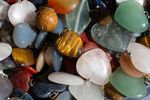
The main varieties include pearls, amber, coral, jet, ivory alternatives, and shell-based materials such as mother-of-pearl. Each type has different formation processes, colours, physical properties, and uses. Understanding these differences helps explain why organic gemstones require particular identification, handling, and preservation methods.
Importance
Organic gemstones are important in jewellery, cultural heritage, natural history, and decorative craftsmanship. They provide examples of how biological materials can become valuable decorative resources through natural processes and traditional human activities.
These materials also have scientific and educational importance. Amber can preserve ancient plant material and small organisms, while pearls demonstrate how certain molluscs produce layered structures around an irritant or other internal material. Examining these materials provides information about biological processes and past environmental conditions.
Different groups use organic gemstones for various purposes:
Jewellery designers: Pearls, amber, coral, and shell materials are incorporated into necklaces, earrings, bracelets, and other ornaments.
Collectors: Natural specimens are examined for their origin, colour, formation, condition, and historical characteristics.
Researchers: Organic materials can provide information about ancient environments, biological processes, and fossil preservation.
Craftworkers: Shell, jet, and other materials are shaped into decorative objects and artistic pieces.
Cultural communities: Certain organic materials have historical, ceremonial, and traditional significance.
Organic gemstones also involve important identification and conservation challenges. Natural, treated, reconstructed, and imitation materials can sometimes appear similar. Some varieties are sensitive to heat, chemicals, sunlight, moisture, or physical pressure.
Environmental considerations are also important, particularly for materials obtained from marine organisms and protected wildlife. Understanding the origin and legal status of organic gemstones helps explain the importance of responsible sourcing and conservation.
Recent Updates
Between 2024 and 2026, interest in organic gemstones has continued alongside broader developments in jewellery identification, material traceability, conservation, and sustainable production. Scientific testing and digital documentation are increasingly relevant when examining natural and treated materials.
Pearl Cultivation and Identification
Pearls remain an important category of organic gemstones. Natural pearls form without deliberate human intervention, while cultured pearls develop through human-assisted processes involving pearl-producing molluscs.
Modern pearl identification considers factors such as surface characteristics, nacre structure, shape, lustre, and internal features. Laboratory examination can help distinguish natural pearls from cultured pearls and certain imitation materials.
Amber Research and Authentication
Amber is fossilized tree resin that has undergone chemical and physical changes over geological periods. It can contain preserved insects, plant fragments, and other biological inclusions.
Modern examination methods include microscopic observation, spectroscopy, and other laboratory techniques. These methods can help distinguish genuine amber from synthetic imitations and materials such as copal, which is younger tree resin.
Sustainable Coral and Marine Material Awareness
Coral has historical importance in jewellery, but harvesting certain coral species can affect marine ecosystems. Conservation concerns have increased attention toward protected species, legal sourcing, and alternative materials.
Some jewellery designs use recycled materials, imitation coral, or other decorative substances to reduce dependence on newly harvested natural coral. However, the material composition and origin should be identified accurately.
Digital Identification and Traceability
Digital documentation is increasingly used in the jewellery industry to record material descriptions, laboratory findings, origin information, and treatment details. Photographic records and specialized testing can support identification processes.
These technologies do not automatically establish the origin of every gemstone. Reliable identification may still require examination by qualified gemological laboratories.
Alternative and Reconstructed Materials
Modern manufacturing techniques have expanded the use of reconstructed amber, imitation pearls, synthetic materials, and other decorative alternatives. These materials can resemble naturally occurring organic gemstones but have different compositions and formation histories.
Clear material descriptions are important because natural, cultured, treated, reconstructed, and imitation products are not interchangeable categories.
Laws or Policies
In India, organic gemstones are influenced by environmental legislation, wildlife protection rules, import and export regulations, and international conservation agreements. Requirements depend on the material, biological species, country of origin, and intended activity.
Wildlife Protection Act, 1972
The Wildlife (Protection) Act, 1972, establishes legal protections for specified wild animals, plants, and related wildlife interests in India. Its provisions are relevant to materials obtained from protected wildlife species.
Certain animal-derived materials may be restricted or prohibited depending on their source and legal classification. Ivory and products obtained from protected species are particularly important examples of materials requiring careful legal consideration.
Convention on International Trade in Endangered Species
The Convention on International Trade in Endangered Species of Wild Fauna and Flora (CITES) regulates international trade in specified wild animal and plant species.
Certain coral species are included in CITES appendices. Their international trade may require permits, certificates, or other documentation depending on the species and applicable listing.
CITES regulations can also affect other biological materials used in decorative objects. The rules depend on the species and the specific product being transported across international borders.
Marine Conservation Regulations
Marine organisms and coral ecosystems are subject to environmental protection measures. In India, the Wildlife (Protection) Act and other applicable environmental and coastal regulations may affect the collection, possession, transportation, and trade of certain marine materials.
The legal position depends on the species, location, and applicable permissions. Coral materials should not automatically be assumed to be unrestricted simply because they are used in jewellery.
Import and Export Requirements
Organic gemstone materials entering or leaving India may be subject to customs procedures, wildlife documentation, and applicable trade restrictions.
Individuals and businesses handling these materials need to consider the relevant requirements for species identification, origin documentation, and international transportation. Official information is available through Indian customs authorities, the Ministry of Environment, Forest and Climate Change, and CITES resources.
Tools and Resources
Several scientific resources, identification methods, and reference platforms help people understand organic gemstones, examine their physical characteristics, and learn about their origins.
Gemological Identification Tools
Gemologists use different instruments to examine organic gemstones and distinguish natural materials from imitations or treated examples.
Common tools include:
Magnifying loupe: Helps examine surface texture, inclusions, and visible structural features.
Microscope: Provides detailed examination of pearl layers, amber inclusions, and surface characteristics.
Refractometer: Helps examine optical properties where the material and testing method are suitable.
Spectroscope: Examines light absorption patterns that may assist material identification.
UV examination equipment: Helps observe fluorescence characteristics in selected organic materials.
Not every instrument is suitable for every organic gemstone. Identification generally depends on several observations and appropriate laboratory testing.
Gemological and Scientific Organizations
The Gemological Institute of America (GIA) publishes educational information about pearls, amber, coral, and other gem materials. Its research and identification resources explain characteristics, treatments, and laboratory examination methods.
The International Gem Society also provides educational material covering gemstone varieties, physical properties, and identification principles.
Environmental and Wildlife Resources
CITES provides information about internationally protected species and trade documentation. India's Ministry of Environment, Forest and Climate Change publishes information about wildlife conservation and environmental regulations.
These resources help clarify the legal and environmental considerations associated with biological materials.
Main Types of Organic Gemstones
The following table summarizes commonly recognized organic gemstone varieties.
| Organic gemstone | Natural origin | Common colours | Common uses |
|---|---|---|---|
| Pearl | Molluscs | White, cream, pink, black | Jewellery and ornaments |
| Amber | Fossilized tree resin | Yellow, orange, brown | Jewellery and collectibles |
| Coral | Marine organisms | Red, pink, white, black | Decorative jewellery |
| Jet | Fossilized wood | Black, dark brown | Carvings and ornaments |
| Mother-of-pearl | Mollusc shell lining | White, cream, iridescent | Jewellery and decorative inlays |
| Ammolite | Fossilized ammonite shell material | Green, red, blue, orange | Jewellery and collectibles |
Storage and Preservation
Organic gemstones often require different preservation methods from mineral gemstones. Pearls and mother-of-pearl can be sensitive to acids, cosmetics, and excessive heat, while amber can be affected by solvents and prolonged exposure to intense sunlight.
General preservation considerations include:
Keeping delicate materials away from harsh chemicals.
Avoiding excessive heat and sudden temperature changes.
Storing individual pieces separately to reduce scratching.
Protecting sensitive materials from prolonged direct sunlight.
Using suitable cleaning methods based on the material's composition.
FAQs
What are organic gemstones and how are they formed?
Organic gemstones are decorative materials originating from living organisms or biological processes. They include pearls formed by molluscs, amber derived from ancient tree resin, and coral produced by marine organisms.
What are the main types of organic gemstones?
Common types include pearls, amber, coral, jet, mother-of-pearl, and ammolite. They differ in their natural origins, colours, composition, and physical characteristics.
What colours are found in natural organic gemstones?
Organic gemstones occur in several colours. Pearls may be white, cream, pink, or black; amber commonly appears yellow, orange, or brown; and coral can occur in red, pink, white, and other shades.
How can natural organic gemstones be identified?
Identification involves examining physical appearance, internal structure, surface characteristics, and material composition. Specialized instruments and gemological laboratory testing may be needed to distinguish natural materials from imitations and treated examples.
Are organic gemstones different from mineral gemstones?
Yes. Organic gemstones originate from biological materials or processes, whereas mineral gemstones form through geological processes. Their composition, hardness, durability, and preservation requirements can therefore differ.
Conclusion
Organic gemstones are naturally occurring decorative materials connected to biological processes, ancient environments, and traditional craftsmanship. Pearls, amber, coral, jet, and mother-of-pearl represent different varieties with distinct formation processes, colours, and physical characteristics. Scientific identification, environmental conservation, and legal sourcing requirements are important considerations when examining these materials. Their applications continue across jewellery, collecting, research, and decorative arts.