Lab diamonds have become a common topic in jewelry discussions over the past several years. Many people are curious about how these diamonds are created, how they compare with mined diamonds, and whether they have the same physical characteristics. Although the name may suggest they are artificial, lab diamonds are real diamonds with the same basic chemical structure as those formed naturally beneath the Earth's surface.
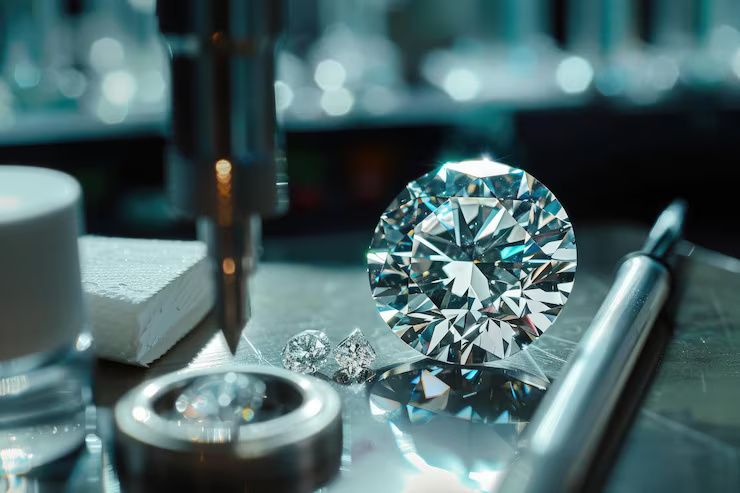
Understanding lab diamonds does not require a scientific background. With a few simple facts, it becomes easier to see how they are made, how they are graded, and what factors people often consider when learning about them.
What Are Lab Diamonds?
Lab diamonds are real diamonds created in controlled environments using advanced technology. Instead of forming deep underground over millions of years, they are produced in laboratories where conditions similar to those found inside the Earth are recreated.
Because they are made from carbon atoms arranged in the same crystal structure as natural diamonds, they share the same hardness, brilliance, and durability. Even experienced observers usually cannot distinguish them from natural diamonds without specialized testing equipment.
The main difference is their origin. Natural diamonds develop underground through geological processes, while lab diamonds are created using carefully controlled scientific methods.
How Are Lab Diamonds Made?
Scientists use two primary techniques to create lab diamonds.
High Pressure High Temperature (HPHT)
The HPHT method recreates the intense pressure and heat found deep inside the Earth. A tiny diamond seed is placed into a chamber where carbon material is exposed to these extreme conditions. Over time, carbon atoms attach to the seed and gradually form a larger diamond crystal.
Chemical Vapor Deposition (CVD)
The CVD process begins with a thin diamond seed inside a chamber filled with carbon-rich gas. The gas is heated until carbon atoms separate and slowly attach to the seed. Layer by layer, the crystal grows into a diamond.
Both methods produce genuine diamonds with nearly identical physical and chemical properties.
Are Lab Diamonds Real Diamonds?
Yes. Lab diamonds are genuine diamonds.
They have the same:
- Carbon crystal structure
- Hardness
- Optical properties
- Fire and brilliance
- Thermal conductivity
The main distinction is where they formed. One develops naturally underground, while the other grows inside a laboratory under carefully managed conditions.
How Are Lab Diamonds Different From Diamond Simulants?
Some people confuse lab diamonds with diamond simulants. However, they are very different materials.
Diamond simulants may resemble diamonds visually, but they have different chemical compositions and physical characteristics.
Examples include cubic zirconia and moissanite. These gemstones can sparkle beautifully, yet they are not diamonds.
Lab diamonds, on the other hand, are made entirely of carbon arranged in the same crystal structure as natural diamonds.
How Are Lab Diamonds Graded?
Lab diamonds are evaluated using the same basic grading system commonly applied to natural diamonds.
Cut
Cut describes how well the diamond has been shaped and polished. A well-cut diamond reflects light effectively, creating brightness and sparkle.
Color
Diamonds range from colorless to light yellow or brown. Less color is generally associated with higher color grades.
Clarity
Clarity measures internal features called inclusions and external marks known as blemishes. Many are extremely small and difficult to notice without magnification.
Carat
Carat refers to the weight of a diamond rather than its physical size. Two diamonds with the same carat weight may appear slightly different depending on their proportions.
Are Lab Diamonds Durable?
Diamonds are among the hardest natural materials known.
Lab diamonds receive the same rating of 10 on the Mohs Hardness Scale as natural diamonds. This makes them highly resistant to scratching during everyday wear.
Although very hard, diamonds can still chip if struck at certain angles with enough force. Proper handling and regular care help maintain their appearance over time.
How Can Experts Identify Lab Diamonds?
To the human eye, lab diamonds and natural diamonds look nearly identical.
Professional gemologists use specialized laboratory equipment to identify subtle growth patterns and trace characteristics created during formation.
These advanced instruments can determine whether a diamond formed naturally underground or in a laboratory.
Environmental Considerations
Many discussions about lab diamonds include environmental factors.
Natural diamond mining involves removing material from the Earth's surface and underground locations. Lab diamonds are created in controlled facilities that do not require mining.
At the same time, laboratory production requires significant amounts of electricity and advanced equipment. Environmental impact varies depending on how that energy is generated and how manufacturing facilities operate.
For this reason, environmental comparisons often depend on the specific production methods being examined.
Common Uses of Lab Diamonds
Lab diamonds appear in many different types of jewelry.
Some common examples include:
- Engagement rings
- Wedding bands
- Earrings
- Pendants
- Bracelets
- Fashion rings
Their durability also makes them useful beyond jewelry. Industrial applications use diamonds for cutting, polishing, drilling, and scientific research because of their exceptional hardness and thermal properties.
Common Myths About Lab Diamonds
Several misconceptions continue to circulate.
Myth 1: They Are Fake
This is incorrect. Lab diamonds are real diamonds made from carbon.
Myth 2: They Do Not Sparkle
Lab diamonds display brilliance and fire just like natural diamonds because they share the same optical properties.
Myth 3: They Break Easily
They have the same hardness as natural diamonds and are highly resistant to scratching.
Myth 4: They Cannot Be Certified
Many independent gemological laboratories evaluate and grade lab diamonds using established standards.
How Should Lab Diamonds Be Cleaned?
Routine cleaning helps maintain their appearance.
Simple cleaning steps include:
- Use warm water and mild soap.
- Gently brush with a soft toothbrush.
- Rinse thoroughly.
- Dry with a soft, lint-free cloth.
Avoid harsh chemicals that may affect jewelry settings or surrounding materials.
Factors People Often Compare
When learning about lab diamonds, people commonly compare several characteristics:
- Origin
- Appearance
- Durability
- Grading
- Production methods
- Environmental considerations
- Certification
Understanding these topics provides a balanced view and helps explain why lab diamonds continue to receive attention across the jewelry industry.
The Future of Lab Diamonds
Advances in technology continue to improve laboratory production methods. Researchers regularly explore new techniques to enhance efficiency, precision, and consistency while maintaining the same crystal structure that defines a genuine diamond.
As public awareness grows, educational information remains important. Knowing how lab diamonds are created, how they are graded, and how they compare with natural diamonds helps people better understand this evolving area of modern gemology.
Conclusion
Lab diamonds are genuine diamonds created through advanced scientific processes rather than natural geological formation. They possess the same chemical composition, crystal structure, hardness, and visual characteristics as natural diamonds. The primary difference lies in how they are formed.
Learning about their production methods, grading standards, durability, and common misconceptions provides a clearer understanding of these remarkable gemstones. As technology continues to advance, lab diamonds remain an important part of conversations about modern jewelry and gemstone science.