Organic Gemstones Explained: History, Types, and Care
Gemstones have fascinated people for thousands of years. They are admired for their colors, patterns, and the stories connected to them. While many people are familiar with minerals such as diamonds, sapphires, and emeralds, another group of gemstones has a very different origin. These are known as organic gemstones. Unlike mineral gemstones that form deep within the Earth through geological activity, organic gemstones develop from living organisms or natural biological processes.
This unique beginning gives each one a distinctive appearance and history. Some form in oceans, while others develop from ancient trees or even marine animals.
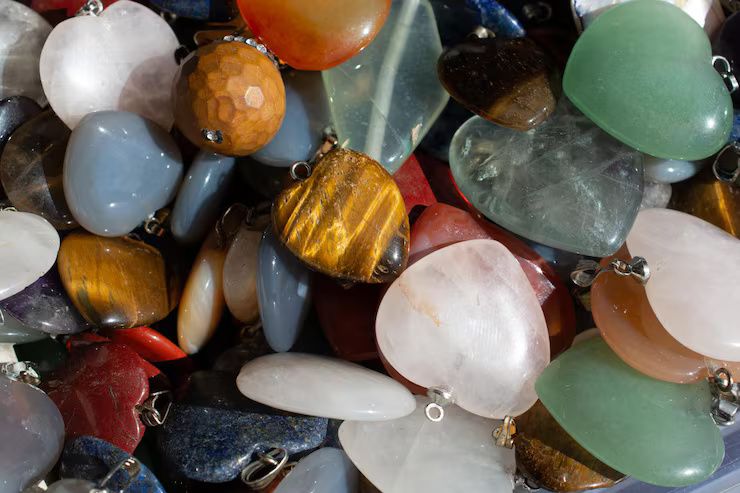
Learning about organic gemstones helps us appreciate the diversity found in nature. Their formation, appearance, and cultural importance make them an interesting topic for anyone curious about natural materials.
What Are Organic Gemstones?
Organic gemstones are natural materials created through biological activity rather than geological processes. Their origins are linked to plants, animals, or marine life instead of minerals crystallizing underground.
Although they are called gemstones, their composition differs from traditional mineral gems. Some contain calcium carbonate, while others are made from hardened tree resin or other naturally occurring organic materials.
Because of these differences, organic gemstones often require different methods of cleaning, handling, and preservation.
How Organic Gemstones Form
The formation of organic gemstones depends on the material involved. Unlike rocks that develop under intense heat and pressure, these gemstones form through natural biological events over months, years, or even millions of years.
For example, tree resin can slowly harden and transform into amber after remaining buried underground for an extremely long period. Pearls develop inside certain mollusks when layers of nacre gradually surround a tiny particle. Coral forms as colonies of tiny marine organisms create solid skeletons over time.
Each gemstone reflects a remarkable natural process that cannot be rushed.
Common Types of Organic Gemstones
Several organic gemstones are widely recognized around the world.
Pearl
Pearls are among the most familiar organic gemstones. They develop inside oysters and certain other mollusks. Layers of nacre gradually surround an irritant, creating the smooth, lustrous appearance associated with pearls.
Natural pearls display various colors, including white, cream, pink, silver, and black. Their gentle shine has made them popular throughout history.
Amber
Amber is fossilized tree resin that has hardened over millions of years. It often appears in golden yellow, honey, orange, or reddish shades.
One fascinating feature of amber is that it may preserve tiny insects, leaves, or air bubbles from ancient forests. These natural inclusions provide valuable information about prehistoric ecosystems.
Coral
Coral gemstones originate from marine organisms that build hard skeletal structures beneath the ocean. After careful preparation, certain varieties become suitable for jewelry and decorative objects.
Coral is known for colors such as red, pink, white, and orange. Since coral reefs are important ecosystems, many regions carefully regulate coral collection to help protect marine environments.
Jet
Jet forms from ancient wood that has undergone significant natural changes over millions of years. It is lightweight, smooth, and usually deep black in appearance.
Historically, jet has been used in decorative items because it can develop a soft shine after polishing.
Organic Gemstones Compared with Mineral Gemstones
Organic gemstones differ from mineral gemstones in several important ways.
Mineral gemstones are created through geological activity involving heat, pressure, and crystallization. Organic gemstones originate through biological processes.
Their hardness also varies. Organic gemstones are generally softer than many mineral gemstones, making them more sensitive to scratches and impact.
Another difference is appearance. Mineral gemstones often display brilliant sparkle because of their crystal structure. Organic gemstones are appreciated more for their texture, natural glow, warm colors, and distinctive patterns.
These differences give each category its own unique appeal.
Colors and Natural Characteristics
Organic gemstones display a broad range of natural colors.
Pearls may appear white, cream, golden, silver, black, or even lavender.
Amber ranges from pale yellow to deep brown, with occasional green or blue varieties found in certain locations.
Coral commonly appears in red, pink, orange, or white shades.
Jet is typically rich black with a smooth finish.
Unlike many mineral gemstones, organic varieties frequently contain natural markings or inclusions. These characteristics often reflect the natural environment in which they formed and contribute to their individuality.
Where Organic Gemstones Are Found
Organic gemstones originate in different parts of the world depending on their formation.
Pearls develop in both freshwater and saltwater environments.
Amber deposits are found in regions that once contained ancient forests. Northern Europe is particularly well known for significant amber deposits.
Coral forms in warm tropical and subtropical oceans where coral reefs thrive.
Jet occurs in areas containing ancient fossilized wood deposits.
Each location reflects the environmental conditions needed for these remarkable materials to develop naturally.
Historical Importance
Organic gemstones have appeared in many cultures throughout history.
Pearls were admired in ancient civilizations and often appeared in ceremonial clothing and decorative ornaments.
Amber was valued not only for its beauty but also because it was easy to shape into beads and carved objects. Ancient trade routes helped distribute amber across Europe and Asia.
Coral has long been associated with artistic traditions in coastal communities.
Jet became especially popular during certain historical periods for creating elegant decorative accessories.
Their long history demonstrates the lasting fascination people have had with naturally formed materials.
Caring for Organic Gemstones
Organic gemstones are generally softer than many mineral gemstones, so gentle handling is important.
A soft cloth is usually suitable for regular cleaning. Harsh chemicals and abrasive cleaners should be avoided because they may damage the surface.
It is also helpful to keep organic gemstones away from excessive heat, prolonged sunlight, and sudden temperature changes. These conditions may affect their appearance over time.
Storing each piece separately can help reduce scratches caused by contact with harder materials.
With thoughtful care, organic gemstones can remain attractive for many years.
Interesting Facts About Organic Gemstones
Organic gemstones have several fascinating characteristics.
- Amber may contain tiny prehistoric insects or plant fragments preserved for millions of years.
- Pearls are among the few gemstones created entirely through biological activity.
- Coral reefs supporting coral formation are among the most diverse ecosystems on Earth.
- Jet is surprisingly lightweight despite its solid appearance.
- Every organic gemstone reflects a unique natural history that cannot be exactly duplicated.
These facts make organic gemstones interesting not only for their appearance but also for the stories they tell about nature.
Environmental Considerations
Many organic gemstones are closely connected to natural ecosystems.
Coral reefs support countless marine species and play an important ecological role. Conservation efforts help protect these habitats from environmental damage.
Responsible collection practices and environmental regulations contribute to preserving natural resources for future generations.
Understanding where organic gemstones come from encourages greater appreciation for the environments that produce them.
Why People Appreciate Organic Gemstones
Organic gemstones attract attention for reasons that extend beyond appearance.
Their natural origins connect them to forests, oceans, and ancient ecosystems. Many people enjoy learning about the remarkable biological processes behind their formation.
Every piece has its own natural variations in color, texture, and pattern, making no two exactly alike.
Whether admired for scientific interest, historical significance, or natural beauty, organic gemstones continue to capture curiosity around the world.
Conclusion
Organic gemstones remind us that nature creates remarkable materials in many different ways. Formed through biological processes rather than geological activity, they include pearls, amber, coral, and jet, each with its own unique story.
Understanding how these gemstones form, where they originate, and how they differ from mineral gemstones provides a deeper appreciation of the natural world. Their connection to living organisms and ancient environments makes them an enduring subject of interest for collectors, researchers, and anyone curious about Earth's remarkable diversity.