Lab Diamond Explore: Types, Features, Quality Factors, and Creation Methods
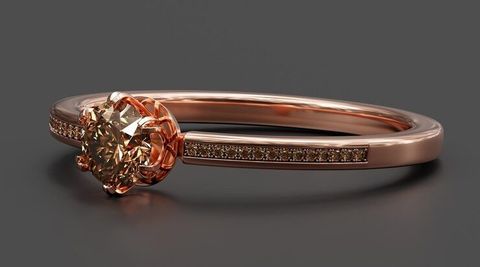
A lab diamond is a diamond created through a controlled technological process rather than formed naturally beneath the Earth’s surface. Lab diamonds have essentially the same chemical composition and crystal structure as natural diamonds, although their growth environment and internal characteristics can differ.
The development of laboratory diamond technology began decades ago, initially for industrial applications. Early laboratory-grown crystals were generally too small or unsuitable for many gem applications, but improvements in growth equipment and process control eventually enabled the production of larger gem-quality crystals.
Today, two primary methods are used to create gem-quality lab diamonds: high-pressure high-temperature (HPHT) and chemical vapor deposition (CVD). Both methods begin with a diamond substrate or seed that provides the crystal structure from which additional diamond material grows.
What Is a Lab Diamond?
A laboratory-grown diamond is not the same as a diamond simulant. Simulants such as cubic zirconia or moissanite can resemble diamond visually but have different chemical compositions and physical properties.
A lab diamond, by comparison, consists of crystallized carbon arranged in the diamond crystal structure. Its origin is the primary distinction: one forms through geological processes, while the other is produced in a controlled laboratory or manufacturing environment.
How Lab Diamonds Are Classified
Lab diamonds can be described according to their growth method, color, clarity, carat weight, cut, and other gemological characteristics. HPHT and CVD describe how the crystal was grown, while the traditional Four Cs—color, clarity, cut, and carat weight—describe important aspects of the finished gemstone.
Some lab diamonds may also receive post-growth treatment. For example, certain CVD-grown diamonds can undergo HPHT treatment to alter or reduce body color.
Importance
Understanding lab diamonds matters because these stones are now an established part of the gemological landscape. Improvements in production technology have increased the size, quantity, and range of gem-quality laboratory-grown diamonds available for examination.
For consumers, students, jewelry professionals, and general readers, understanding the differences between natural and laboratory-grown diamonds can make diamond descriptions and grading information easier to interpret. It also helps explain why two diamonds with similar visual characteristics can have different origins.
Why Diamond Origin Matters
Natural and laboratory-grown diamonds can share many optical and physical properties, making visual identification difficult in some cases. GIA notes that traditional observations and basic diamond detectors are not sufficient for reliably separating laboratory-grown diamonds from natural diamonds. Advanced testing or examination by a qualified gemological laboratory may be required.
Laboratory identification can examine growth patterns, fluorescence behavior, inclusions, strain patterns, and other characteristics associated with the conditions in which a diamond formed. These features can also help distinguish HPHT-grown diamonds from CVD-grown diamonds.
Main Quality Factors
The appearance and characteristics of a lab diamond are influenced by several factors. The commonly discussed Four Cs provide a useful framework:
- Color describes the degree of body color in a diamond.
- Clarity refers to internal inclusions and external blemishes.
- Cut describes how the diamond has been proportioned, faceted, and finished.
- Carat weight indicates the diamond's mass.
Growth method is another important characteristic because HPHT and CVD processes can create different internal features. The quality of the starting diamond substrate, growth conditions, and any post-growth treatment can also influence the resulting stone.
Lab Diamond Quality Overview
| Quality factor | What it describes | Why it matters |
|---|---|---|
| Color | Body color of the diamond | Influences visual appearance |
| Clarity | Internal and surface characteristics | Helps describe transparency and visible features |
| Cut | Proportions, facets, and finish | Influences light behavior and appearance |
| Carat weight | Diamond mass | Indicates physical size by weight |
| Growth method | HPHT or CVD | Indicates how the crystal was produced |
| Treatment | Changes after initial growth | Can affect color or other characteristics |
No single factor completely describes a laboratory-grown diamond. A complete assessment considers several characteristics together.
Recent Updates
Laboratory diamond technology has continued to develop through improvements in crystal growth, substrate preparation, process control, treatment, and analytical identification. Recent GIA research indicates that the industry has experienced substantial increases in the quantity, size, and quality of laboratory-grown diamonds over the longer term, while developments during the more recent period have become comparatively stable.
CVD-grown diamonds now represent a large share of laboratory-grown diamonds submitted to GIA for grading-related examination. GIA has also reported that many CVD products undergo post-growth HPHT treatment to remove or reduce body color.
Developments in CVD Technology
Chemical vapor deposition uses a chamber containing carbon-containing gases and diamond substrates. Energy is applied to the gas mixture, producing a plasma from which carbon atoms deposit onto the diamond substrates and gradually form additional diamond material.
Modern CVD technology has enabled the production of larger and more colorless gem-quality crystals than was practical during the earlier stages of the technology. GIA research has documented CVD diamonds in larger sizes and with color and clarity characteristics suitable for gem applications.
Developments in HPHT Technology
HPHT technology uses extremely high pressure and temperature to recreate selected conditions associated with diamond formation. A carbon source, metallic flux, and diamond seed are placed inside a specialized growth system. Carbon dissolves into the molten flux and then crystallizes onto the cooler diamond seed.
Advances in HPHT technology have improved control over impurities and color. GIA research indicates that colorless HPHT laboratory-grown diamonds now represent a substantial portion of HPHT material examined in recent years.
Improvements in Identification
As laboratory-grown diamonds have become more varied, identification methods have also become more sophisticated. Gemological laboratories can examine characteristics such as fluorescence patterns, growth morphology, strain patterns, inclusions, and other markers that may reveal the growth method.
This development is important because laboratory-grown diamonds can look very similar to natural diamonds without specialized examination. Accurate identification therefore relies on a combination of analytical observations rather than one simple visual test.
Laws or Policies
Rules concerning diamonds vary between countries and can cover disclosure, identification, trade descriptions, consumer information, import procedures, and laboratory documentation. In India, diamond-related businesses and consumers may encounter requirements from government authorities, customs authorities, standards organizations, and other applicable regulatory bodies depending on the activity involved.
The Bureau of Indian Standards provides information about Indian Standards and related conformity frameworks. The exact applicability of a particular standard depends on the product and activity concerned. Government requirements should therefore be checked against the specific circumstances rather than assumed to apply universally.
For diamond identification, clear disclosure of laboratory-grown origin is important because laboratory-grown and natural diamonds are distinct categories. Gemological reports can provide information about whether a stone has been identified as laboratory-grown and may include characteristics associated with its examination.
Identification and Disclosure
Laboratory-grown diamonds can have inscriptions or other identifying information associated with laboratory examination. GIA explains that inscriptions may appear on the girdle and that advanced laboratory testing can identify laboratory-grown diamonds and, in many cases, distinguish their growth method.
Because regulations can change and requirements differ by jurisdiction, readers should consult the relevant government or standards authority for current rules applicable to a particular diamond transaction, import, export, or business activity.
Tools and Resources
Several resources can help readers understand lab diamonds and evaluate technical information.
Gemological Reports
A gemological report can document characteristics observed during professional examination. Depending on the laboratory and report type, information may include measurements, color, clarity, cut-related characteristics, carat weight, and laboratory-grown identification.
Such documentation can be useful for understanding what has actually been examined rather than relying solely on visual descriptions.
Diamond Identification Equipment
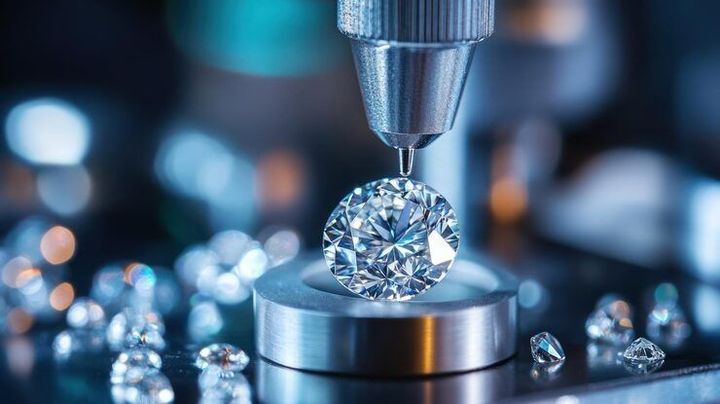
Professional laboratories use specialized instruments to identify laboratory-grown diamonds. GIA describes techniques involving fluorescence imaging and other analytical methods that can reveal characteristic growth patterns.
Basic handheld diamond testers generally cannot determine whether a diamond is laboratory-grown or natural because both can have similar thermal and electrical properties. More advanced analytical equipment is required for reliable identification.
Diamond Grading References
Diamond grading references can help explain color scales, clarity descriptions, proportions, measurements, and other gemological terminology. Educational resources from recognized gemological organizations are particularly useful when readers are learning how diamond reports are structured.
Four Cs Comparison
The Four Cs provide a simple starting framework for understanding a diamond:
- Color: describes body color.
- Clarity: describes inclusions and blemishes.
- Cut: describes proportions and faceting.
- Carat: describes weight.
These characteristics can be applied to laboratory-grown diamonds as well as natural diamonds, although the growth origin is recorded separately.
FAQs
What is a lab diamond?
A lab diamond is a diamond grown by a technological process in a controlled laboratory or manufacturing environment. It has essentially the same chemical composition and crystal structure as a natural diamond, but its origin is different.
How are lab diamonds created?
Lab diamonds are primarily created using HPHT or CVD methods. HPHT uses high pressure, high temperature, a carbon source, and a diamond seed, while CVD deposits carbon from a gas mixture onto diamond substrates inside a controlled chamber.
What are the main types of lab diamonds?
The two primary types are HPHT-grown diamonds and CVD-grown diamonds. The distinction refers to the growth process, and each method can produce diamonds with different internal characteristics that can be identified through specialized gemological examination.
What factors determine lab diamond quality?
Lab diamond quality is commonly described using color, clarity, cut, and carat weight. Growth method, treatment history, measurements, and other gemological characteristics can provide additional information about the individual stone.
Can a lab diamond be distinguished from a natural diamond?
Yes, but reliable identification generally requires specialized gemological testing. Laboratory-grown diamonds can have growth-related characteristics such as distinctive fluorescence patterns, strain patterns, inclusions, and other features that help laboratories identify their origin.
Conclusion
Lab diamonds are crystallized carbon produced through controlled HPHT or CVD growth processes. They share the fundamental chemical and crystal characteristics of natural diamonds while having different growth histories and identifiable laboratory features. Color, clarity, cut, carat weight, growth method, and treatment history are useful factors for understanding their characteristics. Recent technological developments have expanded the range of sizes and qualities produced, while specialized gemological testing has continued to improve the identification of laboratory-grown diamonds.