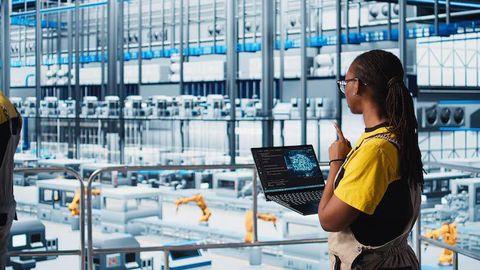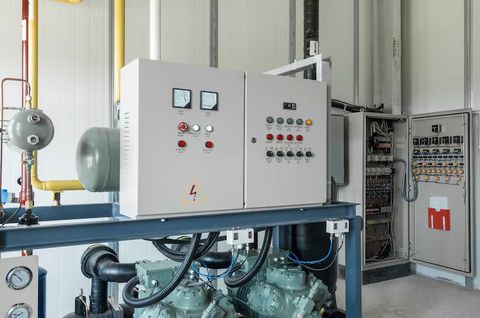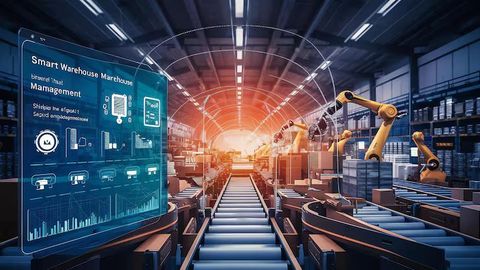
Heavy equipment protection refers to the systems, strategies, and operational practices used to safeguard construction, mining, agricultural, and industrial machinery from damage, theft, accidents, environmental exposure, and operational failures. This includes physical security measures, predictive maintenance systems, operator safety protocols, telematics monitoring, and regulatory compliance programs designed to reduce downtime and extend equipment lifespan.

In recent years, heavy equipment protection has become increasingly important due to rising machinery costs, supply chain disruptions, and growing workplace safety expectations. Modern excavators, loaders, cranes, and industrial vehicles now contain advanced electronics, GPS systems, sensors, and automation features that improve efficiency but also introduce new maintenance and cybersecurity considerations. Equipment theft and unauthorized usage continue to affect contractors and fleet operators globally, while climate-related risks such as flooding, heat stress, and dust exposure have increased maintenance challenges in many regions.
Industry trends show a stronger shift toward predictive maintenance, remote diagnostics, fleet tracking, and AI-powered monitoring systems. Governments and safety agencies are also strengthening regulations related to operator safety, emissions, and machine inspections. As a result, businesses across construction, mining, logistics, and infrastructure sectors are investing more heavily in equipment protection strategies to improve operational reliability and reduce long-term costs.
Industries Affected and Problems Heavy Equipment Protection Solves
Heavy equipment protection affects a wide range of industries, including construction, mining, oil and gas, agriculture, transportation, ports, warehousing, and municipal infrastructure. These sectors rely heavily on machinery such as bulldozers, excavators, forklifts, cranes, dump trucks, and drilling systems to maintain daily operations. Even minor equipment failures can lead to project delays, financial losses, safety incidents, and productivity disruptions.
Construction companies, for example, often operate machinery across multiple remote locations where exposure to theft, vandalism, and harsh weather conditions is common. Mining operations face additional challenges, including equipment wear from abrasive materials, high vibration levels, and extreme temperatures. Agricultural businesses depend on seasonal equipment uptime, making preventive protection critical during harvest periods. Public infrastructure projects also require reliable machinery to avoid delays in transportation and utility services.
Common Problems Solved by Heavy Equipment Protection
| Problem | Protection Solution |
|---|---|
| Equipment theft | GPS tracking, immobilizers, geofencing |
| Unexpected breakdowns | Predictive maintenance and diagnostics |
| Operator accidents | Safety sensors and training systems |
| Harsh environmental damage | Protective coatings and weatherproofing |
| Fuel theft or misuse | Fuel monitoring systems |
| Excessive downtime | Scheduled inspections and remote alerts |
| Compliance violations | Digital maintenance records and inspections |
| Cybersecurity risks in smart equipment | Secure telematics and software updates |
Modern protection systems help organizations reduce repair costs, improve worker safety, increase equipment lifespan, and maintain operational continuity. Data-driven monitoring has become especially valuable because it allows operators to identify problems before they become severe mechanical failures.
Heavy Equipment Protection Trends and Recent Updates
The heavy equipment sector has experienced rapid technological advancement over the past year. Fleet operators increasingly use telematics platforms to monitor equipment health, fuel consumption, idle time, and operator behavior in real time. These systems support predictive maintenance by analyzing engine temperature, hydraulic pressure, battery performance, and vibration patterns.
Another major trend is the adoption of AI-assisted monitoring systems. Some advanced machines now use machine learning algorithms to detect abnormal operating conditions and automatically generate maintenance alerts. This reduces manual inspection requirements and helps prevent catastrophic failures.
Electric and hybrid heavy equipment has also gained attention as governments introduce stricter emissions standards. Battery-powered excavators, loaders, and forklifts require different protection strategies compared to diesel-powered systems, including battery temperature monitoring and charging infrastructure management.
Emerging Industry Trends
| Trend | Industry Impact |
|---|---|
| Predictive maintenance | Reduced downtime and repair costs |
| Telematics adoption | Improved fleet visibility |
| AI-based diagnostics | Faster issue detection |
| Electrification of machinery | New battery protection requirements |
| Remote equipment monitoring | Better multi-site management |
| Smart operator assistance | Improved safety compliance |
| Cybersecurity focus | Protection of connected systems |
Climate resilience has also become a growing concern. Equipment operating in regions affected by floods, extreme heat, or heavy dust requires additional environmental safeguards. Manufacturers are increasingly developing corrosion-resistant components, advanced filtration systems, and weatherproof enclosures.
Insurance providers are also encouraging stronger equipment protection measures by offering reduced premiums for fleets equipped with GPS tracking, immobilizers, and automated safety systems.
Heavy Equipment Protection Methods Comparison
| Protection Method | Main Purpose | Advantages | Limitations |
|---|---|---|---|
| Preventive Maintenance | Reduce breakdowns | Lower repair costs | Requires scheduling discipline |
| Predictive Maintenance | Detect early failures | Minimizes downtime | Higher technology investment |
| GPS Tracking | Theft prevention | Real-time monitoring | Dependent on connectivity |
| Operator Training | Improve safety | Reduces accidents | Requires ongoing updates |
| Physical Barriers | Prevent vandalism | Low-tech reliability | Limited against advanced theft |
| Environmental Protection | Reduce weather damage | Extends equipment life | Can increase maintenance costs |
| Cybersecurity Systems | Protect connected machines | Prevents unauthorized access | Requires software management |
| Safety Sensors | Prevent accidents | Enhances compliance | Sensor calibration needed |
Estimated Operational Impact
| Protection Strategy | Typical Operational Benefit |
|---|---|
| Scheduled maintenance | Improved equipment availability |
| Fleet telematics | Better fuel efficiency tracking |
| Safety automation | Reduced workplace incidents |
| GPS monitoring | Faster equipment recovery |
| Digital inspections | Improved compliance documentation |
The combination of multiple protection strategies usually provides the strongest operational results. Large fleet operators often integrate maintenance software, telematics, security systems, and operator management into a centralized platform.
Laws, Regulations, and Government Policies
Heavy equipment protection is closely tied to workplace safety regulations, environmental laws, and operational compliance requirements. Different countries maintain specific rules governing machinery inspections, emissions, operator certification, and site safety.
In many regions, occupational safety agencies require employers to regularly inspect heavy equipment and maintain documentation proving machinery is safe to operate. Construction and mining operations may also need certified operators for cranes, forklifts, and specialized industrial vehicles.
Environmental regulations increasingly affect equipment protection strategies as governments introduce stricter emissions standards for diesel engines. Fleet operators may need to upgrade older machinery, install emission-control systems, or transition toward cleaner equipment technologies.
Key Regulatory Areas
| Regulatory Area | Purpose |
|---|---|
| Workplace safety laws | Protect operators and workers |
| Emissions standards | Reduce environmental impact |
| Inspection requirements | Ensure operational safety |
| Noise regulations | Control workplace exposure |
| Operator certification | Improve competency standards |
| Data security rules | Protect connected equipment systems |
Practical Guidance for Businesses
Construction Sites
Companies operating temporary job sites benefit from portable surveillance systems, immobilizers, and digital inspection checklists. Daily equipment inspections help reduce safety risks and maintain compliance records.
Mining Operations
Mining fleets require advanced wear monitoring systems because equipment often operates continuously under harsh conditions. Dust filtration and vibration analysis are particularly important.
Agricultural Operations
Seasonal operators should focus on off-season storage protection, corrosion prevention, and battery maintenance to improve equipment readiness.
Logistics and Warehousing
Forklift fleets often require operator certification tracking, collision detection systems, and indoor telematics monitoring to improve workplace safety.
Businesses operating internationally may also need to comply with different regional standards for emissions, machine guarding, and electronic monitoring systems.
Tools and Resources for Heavy Equipment Protection
Several digital tools and operational resources now support heavy equipment protection programs. These platforms help businesses monitor machinery, manage maintenance schedules, improve security, and analyze operational performance.
Commonly Used Tools
| Tool Type | Primary Function |
|---|---|
| Fleet management software | Equipment tracking and analytics |
| Predictive maintenance platforms | Failure forecasting |
| GPS tracking systems | Theft prevention |
| Inspection checklist apps | Digital compliance records |
| Fuel monitoring tools | Fuel efficiency analysis |
| Operator training simulators | Safety skill development |
| Asset management systems | Lifecycle tracking |
| Environmental sensors | Heat, vibration, and moisture monitoring |
Helpful Resource Categories
- Government workplace safety portals
- Equipment manufacturer maintenance manuals
- Fleet analytics dashboards
- Construction safety training platforms
- Industrial cybersecurity guidance resources
- Equipment lifecycle calculators
- Preventive maintenance templates
- Insurance risk assessment tools
Many businesses now integrate cloud-based monitoring systems with mobile applications, allowing supervisors to access maintenance alerts and equipment status remotely.
Frequently Asked Questions
What is heavy equipment protection?
Heavy equipment protection refers to strategies and technologies used to prevent machinery damage, theft, accidents, and operational failures. It includes maintenance, tracking systems, operator safety practices, and environmental safeguards.
Why is predictive maintenance important for heavy equipment?
Predictive maintenance uses sensor data and analytics to identify potential failures before they occur. This helps reduce downtime, lower repair expenses, and improve equipment reliability.
How does GPS tracking help protect heavy equipment?
GPS tracking allows businesses to monitor equipment location, usage patterns, and unauthorized movement. It improves theft recovery and supports fleet management efficiency.
What industries benefit most from heavy equipment protection?
Construction, mining, agriculture, logistics, manufacturing, and infrastructure sectors all benefit because they rely heavily on machinery for daily operations.
Are connected heavy equipment systems vulnerable to cybersecurity risks?
Yes. Modern equipment with telematics and remote connectivity may face cybersecurity threats if systems are not properly secured. Software updates and secure access controls are increasingly important.
Conclusion
Heavy equipment protection has evolved from basic maintenance practices into a comprehensive operational strategy involving safety management, predictive analytics, environmental protection, and digital monitoring technologies. As machinery becomes more advanced and expensive, businesses face greater pressure to reduce downtime, improve compliance, and protect equipment investments.
Industry trends indicate growing adoption of telematics, AI-powered diagnostics, remote monitoring, and electrified machinery systems. At the same time, stricter regulations and environmental challenges are increasing the importance of preventive maintenance and operational oversight. Organizations that combine physical security, predictive maintenance, operator training, and digital fleet management generally experience better equipment reliability and improved workplace safety outcomes.
For most industries, the most effective approach is not a single protection method but an integrated strategy tailored to operational conditions, environmental risks, and compliance requirements. Businesses that proactively invest in equipment protection are better positioned to maintain productivity, reduce operational disruptions, and adapt to evolving industry standards.