Bolts & Nuts: Explanation of Grades, Sizes, and Industrial Usage
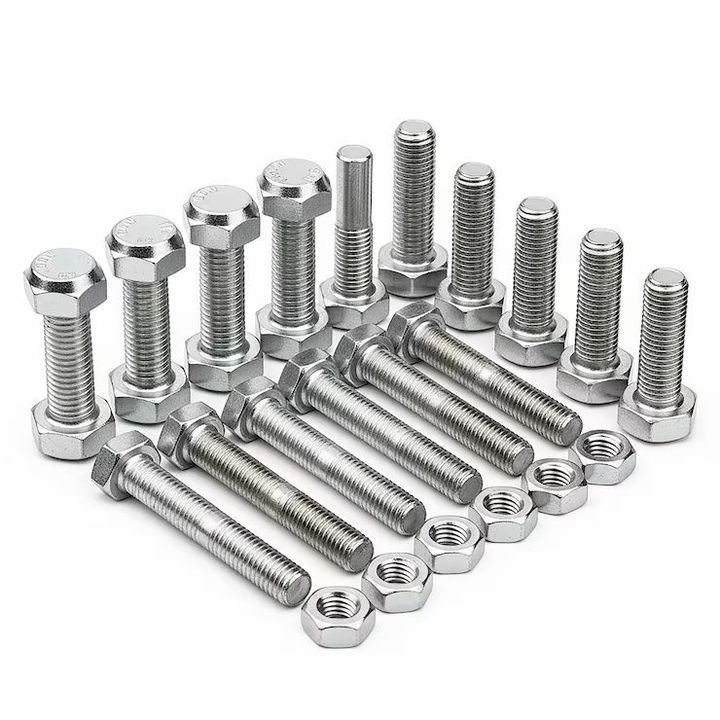
Bolts and nuts are fundamental mechanical fasteners used to join two or more components securely. A bolt typically consists of a threaded shaft with a head, while a nut is a matching internally threaded component that fastens onto the bolt. Together, they create a detachable joint widely used across industries such as construction, automotive, aerospace, manufacturing, and infrastructure.
In recent years, the importance of bolts and nuts has increased due to rapid industrialization, infrastructure expansion, and advancements in engineering design. The rise of electric vehicles, renewable energy installations, and modular construction systems has placed higher demands on fastener reliability, durability, and performance. Engineers and procurement teams now prioritize factors such as corrosion resistance, tensile strength, and compliance with global standards.
Modern trends also include the adoption of high-strength alloys, anti-corrosion coatings, and smart fastening technologies that improve safety and efficiency. As supply chains become more global, understanding the differences between bolt and nut types, materials, and standards is essential for ensuring structural integrity and operational safety. This makes a clear comparison not only relevant but necessary for informed decision-making.
Who It Affects and What Problems It Solves
Bolts and nuts are critical components for a wide range of stakeholders, including mechanical engineers, civil engineers, manufacturers, construction professionals, maintenance technicians, and procurement managers. Even small-scale users such as DIY enthusiasts and repair technicians rely on these fasteners for everyday applications.
In industrial contexts, improper selection of bolts and nuts can lead to equipment failure, safety hazards, and increased maintenance costs. For example, using a low-grade bolt in a high-load application may result in structural failure, while choosing the wrong material in corrosive environments can lead to rapid degradation.
These fasteners solve several key problems:
- Secure fastening: Provide strong and reliable joints between components.
- Disassembly and maintenance: Allow easy removal and replacement compared to permanent joints like welding.
- Load distribution: Ensure even distribution of mechanical stress.
- Adaptability: Available in various sizes, grades, and materials for different environments.
By selecting the correct combination of bolt and nut, industries can reduce downtime, improve safety, and enhance the lifespan of machinery and structures.
Recent Updates and Trends
The fastener industry has seen notable developments over the past year, driven by technological advancements and sustainability goals:
- High-strength fasteners: Increased use of Grade 8.8, 10.9, and 12.9 bolts in heavy-duty applications such as wind turbines and electric vehicles.
- Corrosion-resistant coatings: Growing adoption of zinc-aluminum coatings and stainless steel fasteners in marine and outdoor environments.
- Smart fasteners: Integration of sensors in bolts to monitor tension and detect loosening in critical systems like bridges and aircraft.
- Sustainability initiatives: Manufacturers are focusing on recyclable materials and reducing carbon emissions during production.
- Standardization updates: Continuous alignment with international standards such as ISO and ASTM to ensure compatibility across global supply chains.
These trends highlight a shift toward performance-driven and environmentally conscious fastener solutions.
Comparative Table: Bolts vs Nuts
| Parameter | Bolts | Nuts |
|---|---|---|
| Definition | External threaded fastener with a head | Internal threaded component |
| Function | Provides clamping force | Secures the bolt in place |
| Usage | Inserted through materials | Screwed onto bolt threads |
| Shape | Cylindrical shaft with head | Hexagonal or square block |
| Material Options | Steel, stainless steel, brass, titanium | Same as bolts for compatibility |
| Strength Grades | Defined by tensile strength (e.g., 8.8) | Must match bolt grade |
| Applications | Structural, automotive, machinery | Used with bolts in all applications |
| Reusability | Reusable if not damaged | Reusable, depending on wear |
| Installation | Requires tools like a wrench/spanner | Tightened onto the bolt manually or with a tool |
| Cost Factor | Generally higher than nuts | Lower compared to bolts |
Laws, Standards, and Policies
The use of bolts and nuts is governed by strict standards and regulations to ensure safety, compatibility, and performance. These standards vary by country but are often aligned internationally.
Key Standards:
- ISO (International Organization for Standardization): Defines dimensions, tolerances, and mechanical properties.
- ASTM (American Society for Testing and Materials): Specifies material composition and strength requirements.
- DIN (German Institute for Standardization): Widely used in European engineering.
- IS (Indian Standards): Regulates fasteners used in India for construction and manufacturing.
Regulatory Impact:
- Infrastructure projects must comply with government-approved fastener grades.
- Automotive and aerospace sectors require certified high-strength fasteners.
- Safety audits often include inspection of bolt and nut integrity.
Practical Guidance:
- Use high-grade bolts (8.8 or above) for load-bearing structures.
- Select stainless steel fasteners for corrosive environments.
- Ensure compatibility between bolt and nut grades to avoid failure.
- Follow torque specifications defined by standards to prevent over-tightening or loosening.
Adhering to these guidelines ensures compliance and reduces operational risks.
Tools and Resources
Several tools and resources can assist in selecting and using bolts and nuts effectively:
Calculation & Design Tools:
- Bolt torque calculators: Help determine the correct tightening force.
- Load calculators: Estimate stress and load distribution.
- Thread pitch gauges: Identify thread size and type.
Software & Platforms:
- CAD software for fastener design integration
- Engineering databases for material properties
- Online fastener selection guides
Physical Tools:
- Torque wrench for precise tightening
- Calipers for measuring dimensions
- Thread checkers for compatibility
Reference Materials:
- Engineering handbooks
- Manufacturer catalogs
- Standard specification documents (ISO, ASTM)
Using these tools improves accuracy, efficiency, and safety in fastening applications.
Frequently Asked Questions (FAQ)
What is the main difference between a bolt and a nut?
A bolt is an externally threaded fastener used with a nut, which is internally threaded to secure the bolt in place.
How do I choose the right bolt grade?
Select based on load requirements. Higher grades like 10.9 or 12.9 are suitable for heavy-duty applications, while lower grades are used for general purposes.
Can bolts and nuts be reused?
Yes, if they are not damaged or worn. However, in critical applications, replacement is recommended for safety.
What materials are best for corrosion resistance?
Stainless steel and coated fasteners (e.g., zinc-plated) are commonly used in corrosive environments.
Why is torque important in fastening?
Proper torque ensures the correct clamping force, preventing loosening or over-tightening, which can lead to failure.
Conclusion
Bolts and nuts play a critical role in ensuring structural integrity and mechanical reliability across industries. Their importance has grown with advancements in engineering and increased demand for high-performance materials. Data from industrial practices consistently shows that improper fastener selection is a leading cause of mechanical failure, highlighting the need for informed decision-making.
Modern trends emphasize high-strength materials, corrosion resistance, and adherence to international standards. By understanding the differences between bolt types, materials, and grades, users can significantly improve safety, efficiency, and durability.
The most practical recommendation is to always match bolt and nut grades, consider environmental conditions, and follow standard torque guidelines. For most applications, selecting certified, standard-compliant fasteners ensures optimal performance and long-term reliability.