Industrial Motors: A Complete Guide with Performance Insights and Technical Details
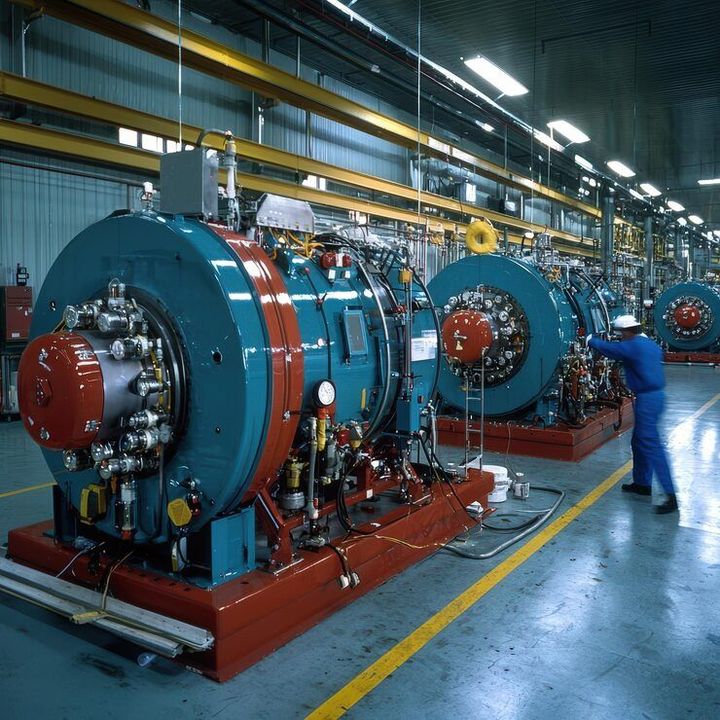
Industrial motors are electromechanical devices that convert electrical energy into mechanical motion to drive machinery across sectors such as manufacturing, transportation, mining, and energy. These motors form the backbone of modern industrial operations, powering equipment like conveyors, pumps, compressors, and robotics systems. The most common categories include AC motors (induction and synchronous), DC motors, and newer technologies like servo and stepper motors.
In recent years, the importance of comparing industrial motors has grown due to rising energy costs, increasing automation, and stricter environmental regulations. Industries are actively seeking energy-efficient and reliable motor systems to optimize operational costs and reduce carbon footprints. According to global energy agencies, electric motors account for nearly 45% of total electricity consumption in industrial environments, making efficiency a critical factor.
Emerging trends such as smart motors, IoT integration, and predictive maintenance are reshaping how industries select and use motors. This comparison helps decision-makers understand performance differences, cost implications, and suitability for various applications in a data-driven manner.
Who It Affects and What Problems It Solves
Industrial motors impact a wide range of stakeholders, including manufacturers, plant operators, maintenance engineers, and energy managers. Industries such as automotive, textiles, chemicals, and logistics rely heavily on motor-driven systems for continuous operations. Even small inefficiencies in motor performance can lead to significant energy losses and increased operational costs over time.
For maintenance teams, motor selection affects reliability and downtime. Poor motor choice can result in overheating, frequent failures, and higher repair costs. For business owners, it directly influences productivity, scalability, and compliance with environmental standards.
Problems It Solves
- Energy inefficiency: High-efficiency motors reduce electricity consumption.
- Operational downtime: Reliable motors minimize breakdowns and interruptions.
- Control limitations: Advanced motors enable precise speed and torque control.
- Maintenance challenges: Modern motors support predictive maintenance.
- Environmental impact: Efficient motors help reduce emissions and meet regulations.
Recent Updates and Industry Trends
The industrial motor landscape has seen notable advancements over the past year, driven by digital transformation and sustainability goals.
One major trend is the adoption of IE3 and IE4 efficiency class motors, which are becoming standard in many regions due to regulatory pressure. These motors significantly reduce energy losses compared to older IE1 or IE2 models.
Another key development is the integration of smart sensors and IoT-enabled monitoring systems. These allow real-time tracking of motor performance, enabling predictive maintenance and reducing unexpected failures. Industries are increasingly investing in digital twins and analytics platforms to optimize motor performance.
The shift toward electrification and automation has also increased the demand for servo and stepper motors, particularly in robotics and precision manufacturing. Additionally, the use of variable frequency drives (VFDs) is expanding, allowing better control over motor speed and energy usage.
Supply chain disruptions have also influenced motor selection, pushing companies to prioritize locally available and standardized motor types.
Industrial Motors Comparison Table
| Feature / Type | AC Induction Motor | Synchronous Motor | DC Motor | Servo Motor | Stepper Motor |
|---|---|---|---|---|---|
| Efficiency | High (IE2–IE4) | Very High | Moderate | Very High | Moderate |
| Cost | Low | High | Medium | High | Medium |
| Maintenance | Low | Medium | High | Medium | Low |
| Speed Control | Limited (with VFD) | Excellent | Excellent | Precise | Step-based |
| Applications | Pumps, fans | Heavy loads | Cranes | Robotics | CNC machines |
| Lifespan | Long | Long | Moderate | Long | Moderate |
| Complexity | Low | High | Medium | High | Medium |
Laws, Policies, and Regulatory Impact
Industrial motors are increasingly influenced by government regulations focused on energy efficiency and environmental sustainability. Many countries have adopted Minimum Energy Performance Standards (MEPS) that require motors to meet specific efficiency levels.
For example, efficiency classes like IE3 and IE4 are mandated in several industrial economies, pushing industries to replace older, less efficient motors. Non-compliance can result in penalties or restricted market access.
Government programs also encourage energy-efficient upgrades through incentives, subsidies, or tax benefits. Energy audits and certifications are often required for large industrial facilities, further emphasizing the importance of selecting the right motor.
Practical Guidance
- For continuous operations (e.g., manufacturing plants): High-efficiency AC induction motors with VFDs are typically the most cost-effective.
- For precision applications (e.g., robotics): Servo motors offer superior control and accuracy.
- For heavy industrial loads: Synchronous motors provide high efficiency and stable performance.
- For legacy systems: Upgrading to IE3 or IE4 motors ensures compliance and long-term savings.
Tools and Resources
Several tools and platforms can help in selecting, analyzing, and maintaining industrial motors:
Calculation and Analysis Tools
- Motor efficiency calculators for estimating energy savings
- Load analysis tools to determine motor sizing requirements
- Lifecycle cost calculators for long-term investment planning
Monitoring and Maintenance Tools
- IoT-based motor monitoring systems
- Predictive maintenance software
- Thermal imaging tools for detecting overheating issues
Online Resources and Platforms
- Manufacturer datasheets and selection guides
- Government energy efficiency portals
- Industry standards documentation (IEC, ISO)
Templates and Checklists
- Motor selection checklist (power, torque, environment)
- Maintenance schedules
- Energy audit templates
Frequently Asked Questions (FAQ)
What is the most energy-efficient type of industrial motor?
Synchronous motors and high-efficiency AC induction motors (IE3/IE4) are generally the most energy-efficient, especially for continuous operations.
How do I choose the right industrial motor?
Selection depends on load requirements, speed control needs, operating environment, and budget. Conducting a load analysis is essential.
Are DC motors still used in industries?
Yes, but their use is declining due to higher maintenance requirements. They are still used in applications requiring precise speed control.
What is the role of VFDs in industrial motors?
Variable Frequency Drives help control motor speed and reduce energy consumption, making systems more efficient and flexible.
How often should industrial motors be maintained?
Maintenance frequency depends on usage, but regular inspections and predictive monitoring can significantly extend motor lifespan.
Conclusion
Industrial motors play a critical role in modern industrial systems, and selecting the right type has significant implications for efficiency, cost, and reliability. Data indicates that upgrading to high-efficiency motors can reduce energy consumption by 10–30%, depending on usage patterns and system optimization.
AC induction motors remain the most widely used due to their balance of cost and performance, while synchronous and servo motors are preferred for high-efficiency and precision applications. The growing adoption of smart technologies and stricter efficiency regulations further emphasizes the need for informed decision-making.
The most practical recommendation is to align motor selection with application-specific requirements while prioritizing energy efficiency and long-term operational savings. Investing in modern, compliant motor systems not only improves performance but also supports sustainability goals and regulatory compliance.