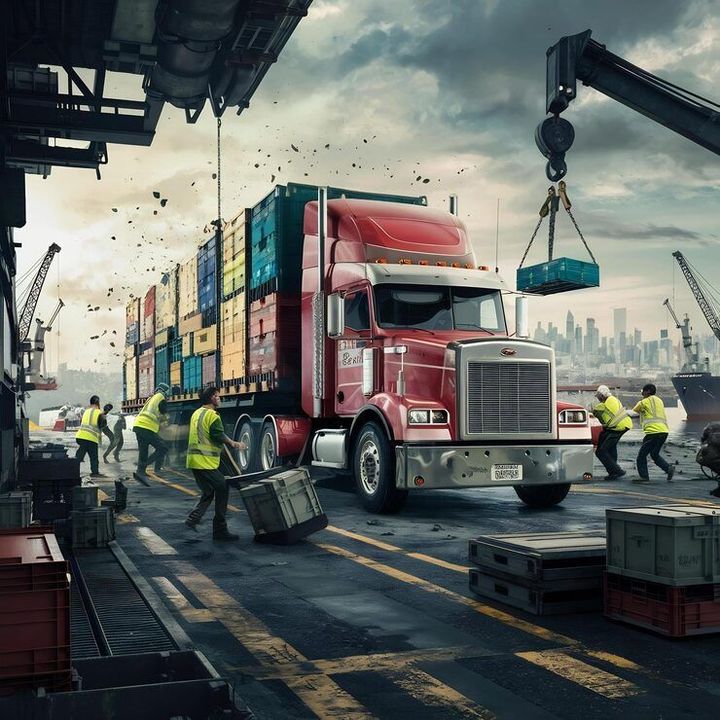
Overload Transportation Tips: Regulations, Impact, and Key Details
Overload transportation refers to the movement of goods or materials that exceed the legally permitted weight or size limits set for vehicles on public roads. These limits are established to ensure road safety, maintain infrastructure integrity, and promote efficient traffic flow. When vehicles carry loads beyond these limits, it creates a range of operational, safety, and regulatory challenges.
In recent years, overload transportation has gained attention due to rapid growth in logistics, construction, mining, and e-commerce sectors. Increasing demand for faster deliveries and cost optimization often leads operators to maximize load capacity, sometimes exceeding legal thresholds. At the same time, governments are strengthening enforcement through digital weighbridges, GPS tracking, and automated compliance systems.
The importance of understanding overload transportation lies in its direct impact on road safety, vehicle lifespan, fuel efficiency, and public infrastructure. Studies from transport authorities globally indicate that overloaded trucks contribute disproportionately to road damage and accident severity. As supply chains evolve, balancing efficiency with compliance has become a critical focus for logistics planners and policymakers.
Who It Affects and What Problems It Solves
Overload transportation impacts multiple stakeholders across the logistics ecosystem. Fleet operators, truck drivers, logistics companies, infrastructure authorities, insurers, and even end consumers are affected by how loads are managed. For operators, overloading may appear to reduce per-unit transport costs, but it often leads to higher maintenance expenses, penalties, and operational risks. Drivers face increased safety hazards due to reduced vehicle stability and braking efficiency.
Government agencies and infrastructure planners are also significantly affected. Roads, bridges, and highways are designed for specific load limits, and exceeding these limits accelerates wear and tear. This results in higher public expenditure on repairs and maintenance. Additionally, overloaded vehicles can disrupt traffic flow, increasing congestion and accident risks.
From a problem-solving perspective, regulated load management addresses several critical issues:
- Road safety risks: Proper load limits reduce accidents caused by braking failure or vehicle instability.
- Infrastructure damage: Compliance helps extend the lifespan of roads and bridges.
- Operational inefficiency: Balanced loads improve fuel efficiency and vehicle performance.
- Regulatory compliance: Avoids penalties, legal issues, and operational disruptions.
- Environmental impact: Overloaded vehicles often emit more pollutants due to inefficiency.
Recent Updates and Trends
Over the past year, overload transportation management has seen several notable developments driven by technology, policy changes, and sustainability goals.
Digital Enforcement Systems
Many regions are adopting weigh-in-motion (WIM) systems that automatically detect overloaded vehicles without requiring them to stop. These systems improve enforcement efficiency and reduce delays in freight movement.
Integration of Telematics
Fleet operators are increasingly using telematics and IoT-enabled sensors to monitor load distribution, vehicle performance, and compliance in real time. This helps prevent overloading before vehicles hit the road.
Stricter Penalties and Compliance Norms
Governments are tightening regulations with higher fines and stricter penalties for violations. In some regions, repeat offenders face license suspension or operational bans.
Focus on Sustainability
Environmental regulations are encouraging optimized loading practices. Overloaded vehicles consume more fuel and produce higher emissions, making them less sustainable in modern logistics frameworks.
Shift Toward Standardization
Global supply chains are pushing for standardized load regulations to ensure consistency across borders, especially in international freight transport.
Key Comparison: Normal Load vs Overload Transportation
| Parameter | Normal Load Transportation | Overload Transportation |
|---|---|---|
| Legal Compliance | Fully compliant with regulations | Violates weight/size limits |
| Safety | Stable and predictable | Higher risk of accidents |
| Vehicle Wear & Tear | Standard maintenance required | Accelerated damage and breakdowns |
| Fuel Efficiency | Optimized fuel consumption | Increased fuel usage |
| Infrastructure Impact | Minimal damage | Significant road and bridge damage |
| Operational Cost | Balanced long-term cost | Short-term savings, long-term losses |
| Penalties | None | Fines, legal actions, possible bans |
| Environmental Impact | Lower emissions | Higher emissions |
| Insurance Risk | Lower premiums | Higher claims and liability risks |
Laws and Policies
Overload transportation is heavily regulated by national and regional transport authorities. These laws define maximum permissible axle load, gross vehicle weight (GVW), and vehicle dimensions.
Regulatory Framework
In countries like India, regulations are governed by the Motor Vehicles Act and related amendments. Authorities specify load limits based on vehicle type and axle configuration. Enforcement is carried out through checkpoints, weighbridges, and digital monitoring systems.
Key Policy Aspects
- Axle Load Limits: Defines how much weight each axle can carry.
- Gross Vehicle Weight (GVW): Total permissible weight including cargo.
- Penalty Structure: Fines based on the extent of overload.
- Permit Requirements: Special permits for oversized or heavy cargo.
Practical Guidance
- Construction Projects: Use special permits for heavy machinery transport instead of overloading standard trucks.
- Long-Distance Freight: Optimize load distribution rather than exceeding limits.
- Urban Transport: Strict compliance is essential due to higher enforcement.
- Cross-Border Logistics: Follow the strictest applicable regulation to avoid delays.
Tools and Resources
Efficient overload management relies on a combination of technology, planning tools, and compliance resources.
Digital Tools
- Fleet Management Software: Tracks vehicle performance and load capacity
- Telematics Systems: Provides real-time load and route monitoring
- Weighbridge Systems: Ensures accurate load measurement before dispatch
- Route Optimization Tools: Helps plan efficient and compliant routes
Online Resources
- Government transport department websites for updated regulations
- Logistics industry reports for benchmarking practices
- Compliance checklists and templates for fleet operators
Practical Utilities
- Load distribution calculators
- Vehicle capacity charts
- Maintenance tracking systems
Frequently Asked Questions (FAQ)
What is overload transportation?
Overload transportation refers to carrying cargo beyond the legally permitted weight or size limits of a vehicle, which can lead to safety and compliance issues.
Why is overloading considered dangerous?
Overloading affects vehicle stability, braking efficiency, and tire performance, increasing the risk of accidents and mechanical failures.
Are there any benefits to overloading?
While it may reduce the number of trips in the short term, the long-term costs related to fines, maintenance, and risks outweigh any temporary benefits.
How is overloading detected?
Authorities use weighbridges, mobile inspection units, and advanced systems like weigh-in-motion sensors to detect overloaded vehicles.
What are the penalties for overloading?
Penalties vary by region but typically include fines, vehicle detention, and in severe cases, suspension of operating licenses.
Conclusion
Overload transportation presents a complex trade-off between operational efficiency and regulatory compliance. While it may appear to offer short-term cost savings, data consistently shows that overloading leads to higher long-term expenses due to increased maintenance, fuel consumption, and legal penalties. Additionally, its impact on road safety and infrastructure makes it a critical concern for policymakers and industry stakeholders.
Modern logistics trends emphasize optimization rather than maximization. Technologies such as telematics, automated weighing systems, and route optimization tools are enabling operators to achieve efficiency without exceeding legal limits. Regulatory frameworks are also evolving to enforce stricter compliance while supporting sustainable transport practices.
The most practical approach is to adopt compliant load management strategies tailored to specific operational needs. For businesses aiming for long-term stability and efficiency, adhering to load regulations is not just a legal requirement but a strategic advantage.