Water Purification Units Explained: Types, Filtration Methods, Components, Applications, Benefits and Selection Factors
Water purification units are systems designed to remove unwanted physical, chemical, and biological substances from water. They are used in homes, commercial buildings, laboratories, healthcare facilities, agriculture, and industrial operations where water quality needs to meet particular requirements.
Water purification has developed from simple methods such as sedimentation, boiling, and sand filtration into systems that combine several treatment stages. Modern equipment can use filtration, activated carbon, membrane separation, ultraviolet treatment, ion exchange, or combinations of these methods.
The appropriate purification method depends on the original water quality and the intended use of the treated water. Drinking water, laboratory water, process water, and wastewater can require very different treatment approaches.
What Water Purification Units Do
A water purification unit generally treats water by targeting specific contaminants or unwanted characteristics. Depending on its design, a system may reduce suspended particles, dissolved substances, microorganisms, unpleasant tastes and odors, or particular chemical compounds.
Purification does not always mean that every contaminant is removed. Each treatment technology has a specific operating range, and the final water quality depends on the incoming water, equipment configuration, maintenance, and operating conditions.
Common Water Purification Unit Types
Common systems include:
- Sediment filtration units for reducing suspended particles.
- Activated carbon systems for reducing chlorine, odors, and certain organic compounds.
- Reverse osmosis systems for reducing many dissolved substances.
- Ultraviolet systems for microbial treatment.
- Ion exchange systems for treating particular dissolved ions.
- Ultrafiltration systems for separating particles and microorganisms according to membrane characteristics.
- Distillation systems for producing highly purified water through evaporation and condensation.
Many installations combine two or more technologies to address different water-quality requirements.
Importance
Water quality affects drinking, food preparation, manufacturing, laboratory work, cleaning, agriculture, and many other activities. Contaminated or unsuitable water can contain suspended solids, microorganisms, dissolved minerals, metals, organic compounds, or other substances that may interfere with its intended use.
Water purification units provide controlled treatment processes that can help address these conditions. Their importance is particularly clear where water quality varies between locations or where a specific application requires defined water characteristics.
Water Quality Challenges
Water sources can differ considerably. Groundwater may contain elevated concentrations of minerals or metals, while surface water can contain suspended material and microorganisms. Municipal supplies are treated before distribution, but water quality can still change because of source conditions, distribution systems, storage, or local plumbing.
Industrial facilities can face additional challenges because process water may contain substances generated during manufacturing. In these situations, treatment systems are usually designed around the specific contaminants identified through water analysis.
Applications of Water Purification Units
Water purification systems are used across many sectors:
- Residential drinking-water treatment
- Hotels and commercial buildings
- Food and beverage processing
- Pharmaceutical and laboratory applications
- Hospitals and healthcare facilities
- Electronics manufacturing
- Boiler and cooling-water treatment
- Agriculture and irrigation
- Industrial process-water treatment
- Wastewater reuse and recycling
The required treatment level varies according to the application. Water intended for laboratory processes, for example, can require considerably different specifications from water used for general cleaning.
Filtration Methods
Different purification technologies remove different categories of contaminants. Understanding the basic methods helps explain why treatment systems often contain multiple stages.
Sediment Filtration
Sediment filters physically capture suspended particles such as sand, rust, silt, and other relatively large particles. Filter performance depends on the filter material, pore structure, flow conditions, and characteristics of the incoming water.
Sediment filtration is commonly used as an initial treatment stage because reducing larger particles can protect downstream equipment and membranes.
Activated Carbon Filtration
Activated carbon contains a highly porous structure that allows certain substances to be adsorbed onto its surface. Carbon filters are commonly used to reduce chlorine, some organic compounds, tastes, and odors.
Carbon treatment does not remove every type of dissolved contaminant. Its effectiveness depends on the carbon material, contaminant characteristics, contact time, and water conditions.
Reverse Osmosis
Reverse osmosis uses pressure to force water through a semipermeable membrane. The membrane allows water molecules to pass while restricting many dissolved salts and other substances.
A reverse osmosis system commonly includes pretreatment and post-treatment stages. Membrane performance depends on factors such as pressure, temperature, feed-water quality, membrane condition, and system configuration.
Ultrafiltration
Ultrafiltration uses a membrane with very small pores to separate suspended solids, colloidal material, and many microorganisms from water. Unlike reverse osmosis, ultrafiltration generally does not remove most small dissolved salts.
It can therefore be used when particle and microbial reduction is required without the same level of dissolved-solids removal associated with reverse osmosis.
Ultraviolet Treatment
Ultraviolet treatment exposes water to UV radiation at an appropriate wavelength and intensity. The process can inactivate many microorganisms by affecting their ability to reproduce.
UV treatment does not physically remove dissolved substances or particles. Water clarity and UV-system operating conditions therefore matter for effective treatment.
Ion Exchange
Ion exchange systems use specialized resin materials to exchange selected ions in water with ions held by the resin. The method is commonly associated with water softening and certain demineralization processes.
Resin selection and regeneration requirements depend on the intended treatment and water chemistry.
Distillation
Distillation involves heating water to create vapor and then condensing that vapor into liquid water. Many nonvolatile substances remain behind during the process.
Distillation can produce highly purified water, but it generally requires significant thermal energy and appropriate equipment for the intended application.
Components
A water purification unit may contain several components arranged in a treatment sequence.
Main Components
Typical components include:
- Feed-water inlet
- Sediment filter
- Activated carbon filter
- Membrane housing
- Reverse osmosis or ultrafiltration membrane
- Pump
- Pressure controls
- Storage tank
- UV chamber
- Flow-control devices
- Valves and piping
- Water-quality monitoring instruments
- Control panel
- Drain or reject-water connection
Not every system contains all of these components. A simple filtration unit may have only a filter housing and control valve, while a large industrial plant can contain multiple treatment stages and monitoring systems.
Monitoring Equipment
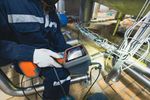
Water purification systems can use instruments to monitor parameters such as pressure, flow rate, conductivity, total dissolved solids, pH, temperature, turbidity, or other application-specific measurements.
Monitoring helps operators understand whether the system is operating within its intended range. The appropriate measurements depend on the treatment technology and water-quality requirements.
Benefits
Water purification units can provide several practical benefits when the treatment process is correctly matched to the water-quality problem.
Improved Water Quality
Treatment can reduce selected contaminants and improve characteristics such as clarity, taste, odor, dissolved-solids concentration, or microbial quality. The specific improvement depends on the purification method and the contaminants present.
Protection of Equipment
Water containing excessive minerals, suspended solids, or other substances can contribute to scaling, deposits, corrosion, or equipment fouling in certain applications. Appropriate pretreatment can help reduce some of these problems.
Application-Specific Water
Different processes require different water characteristics. A purification system can be configured to produce water suitable for a defined purpose rather than relying on untreated source water.
Process Consistency
A controlled treatment system can help maintain more consistent water characteristics when incoming water quality changes within the system's operating range. Monitoring and scheduled maintenance are important parts of maintaining this consistency.
Selection Factors
Selecting a water purification unit requires consideration of both the incoming water and the intended use of the treated water.
Source-Water Quality
The first consideration is the water source. Testing can identify parameters such as turbidity, hardness, dissolved solids, pH, microbial indicators, metals, and other relevant contaminants.
Without information about the source water, it can be difficult to determine which purification technologies are appropriate.
Required Water Quality
The target quality should be established before selecting equipment. Drinking water, laboratory water, industrial process water, and irrigation water can have different requirements.
A system should therefore be evaluated according to the parameters that matter for its specific application.
Flow Rate and Capacity
The unit needs to process the required volume of water at an appropriate rate. Important considerations include peak demand, average demand, storage capacity, operating hours, and expected changes in water use.
Operating Conditions
Temperature, pressure, feed-water chemistry, available electricity, drainage, installation space, and environmental conditions can affect system operation.
Maintenance Requirements
Filters, membranes, UV lamps, resins, pumps, and other components have different inspection and replacement requirements. Maintenance schedules should account for the manufacturer's technical specifications and actual operating conditions.
Laws or Policies
Water purification requirements depend on the country, application, water source, and intended use. In India, drinking-water quality is addressed through national standards and regulatory frameworks, while industrial facilities can also be subject to environmental and wastewater requirements.
The Bureau of Indian Standards publishes specifications for drinking water, including IS 10500, which establishes requirements and test methods for drinking water. The standard addresses parameters including physical, chemical, and microbiological characteristics.
The Central Pollution Control Board and State Pollution Control Boards also play important roles in regulating wastewater discharge and environmental compliance. Industrial facilities may need to follow consent conditions, discharge requirements, and other applicable environmental rules.
Requirements can differ significantly between drinking-water treatment, industrial process water, packaged water, wastewater treatment, and water reuse. Operators should therefore consult the rules applicable to their specific installation rather than relying on a general purification standard.
Recent Updates
From 2024 through 2026, water treatment technology has continued to develop around energy efficiency, membrane performance, automation, monitoring, and water reuse.
Digital Monitoring
Modern treatment installations increasingly use sensors and digital controllers to monitor water-quality and operating parameters. Data can be collected from conductivity meters, pressure sensors, flow meters, pH instruments, turbidity sensors, and other devices.
This supports more detailed process monitoring and can help identify changes in system conditions.
Water Reuse
Water scarcity and increasing demand have increased attention toward water recycling and reuse. Treatment systems can be configured to process water for applications where reclaimed water is technically appropriate.
The required treatment level depends on the source water and intended reuse. Reuse systems may combine filtration, membranes, disinfection, and other processes.
Automation
Automated valves, programmable controllers, sensors, and remote monitoring are becoming more common in larger water-treatment installations. Automation can coordinate treatment stages and provide operating information to personnel.
However, automation does not remove the need for inspection, maintenance, water testing, or appropriate operating procedures.
Tools and Resources
Several resources can help users understand water purification requirements.
Water Quality Testing
Laboratory water testing is an important starting point when the source-water quality is uncertain. Tests can examine parameters such as pH, hardness, turbidity, dissolved solids, microbial indicators, metals, and application-specific contaminants.
Treatment Selection Charts
Technical filtration charts can help compare technologies according to contaminant type, particle size, membrane characteristics, and operating conditions. Such charts are useful for preliminary understanding but should be interpreted alongside actual water-quality data.
BIS Resources
The Bureau of Indian Standards provides information about Indian Standards and drinking-water specifications through its standards resources. These materials can help readers understand applicable quality parameters and testing requirements.
System Monitoring Tools
Common monitoring instruments include:
- TDS and conductivity meters
- pH meters
- Turbidity meters
- Pressure gauges
- Flow meters
- Temperature sensors
- Water-quality test kits
- Microbiological testing equipment
The appropriate instruments depend on the purification technology and the quality parameters being monitored.
FAQs
What are water purification units?
Water purification units are systems designed to treat water by reducing specific physical, chemical, or biological contaminants. They can use filtration, membranes, UV treatment, ion exchange, distillation, or combinations of these technologies.
What is the difference between filtration and water purification?
Filtration generally refers to separating particles or selected substances from water using a filter or membrane. Water purification is a broader term that can include filtration as well as disinfection, ion exchange, reverse osmosis, distillation, and other treatment processes.
How does a reverse osmosis water purification unit work?
A reverse osmosis unit uses pressure to push water through a semipermeable membrane. The membrane restricts many dissolved salts and other substances while allowing water to pass through.
Which components are found in water purification units?
Depending on the design, components can include sediment and carbon filters, membranes, pumps, valves, storage tanks, UV chambers, pressure controls, monitoring instruments, piping, and control systems.
How do I select a water purification unit?
Selection depends on source-water quality, target water quality, required flow rate, contaminants, operating conditions, available space, maintenance requirements, and applicable regulations. Water testing is generally important when the source-water composition is uncertain.
Conclusion
Water purification units use different treatment methods to address specific water-quality conditions and application requirements. Technologies such as sediment filtration, activated carbon, reverse osmosis, ultrafiltration, UV treatment, ion exchange, and distillation each have different functions and limitations. Recent developments have increased the use of automation, digital monitoring, membrane technologies, and water reuse. Appropriate system selection depends on source-water testing, required water quality, capacity, operating conditions, maintenance, and applicable regulations.