Production Line Equipment Guide: Machinery, Automation Systems, Operations and Key Features
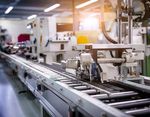
Production line equipment refers to the machines, tools, conveyor systems, and automated technologies used to manufacture products through a sequence of organized operations. These systems are widely used in industries such as automotive manufacturing, food processing, electronics, pharmaceuticals, packaging, textiles, and industrial machinery production.
Context
Production line equipment refers to the machines, tools, conveyor systems, and automated technologies used to manufacture products through a sequence of organized operations. These systems are widely used in industries such as automotive manufacturing, food processing, electronics, pharmaceuticals, packaging, textiles, and industrial machinery production.
The concept of production lines developed as manufacturers needed more organized ways to produce goods in consistent quantities. Instead of completing every manufacturing task individually, production lines divide the process into smaller stages, with each stage performing a specific operation. This approach helps coordinate machinery, materials, workers, and quality inspections.
Modern production line equipment combines mechanical machinery with electrical controls, sensors, software, and robotics. Depending on the manufacturing process, a production line may operate manually, semi-automatically, or through highly automated systems.
Main Types of Production Line Equipment
Different manufacturing activities require different types of machinery and equipment. Common categories include:
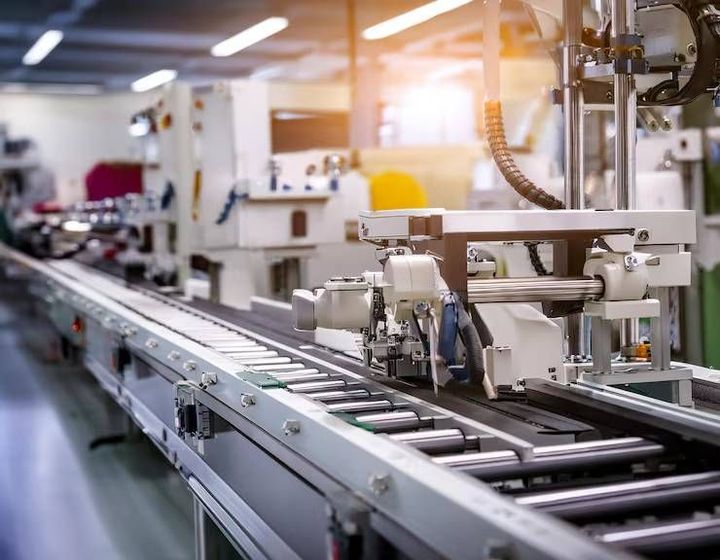
Conveyor Systems: Move materials, components, and finished products between production stages.
Assembly Machines: Join individual components to create complete products.
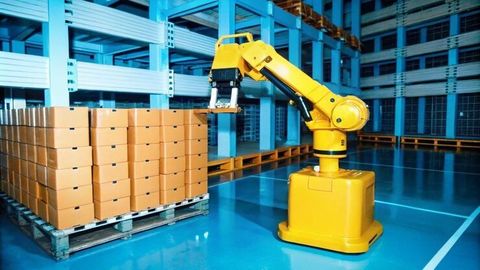
Industrial Robots: Perform repetitive operations such as welding, material handling, painting, and assembly.
Packaging Equipment: Fill, seal, label, wrap, and prepare products for distribution.
Processing Machinery: Perform operations such as cutting, mixing, molding, grinding, and forming.
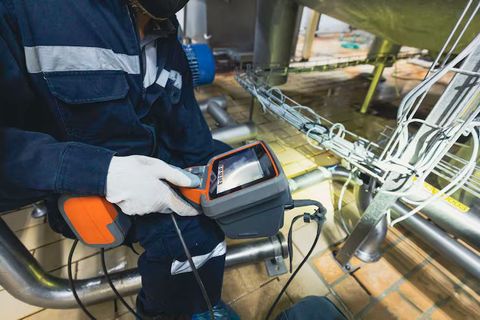
Inspection Equipment: Examine product dimensions, appearance, weight, and other quality characteristics.
Each equipment category has a specific function, but all components must work together to maintain an organized manufacturing process.
Importance
Production line equipment plays an important role in modern manufacturing because it supports consistent production, organized workflows, and better coordination between different industrial operations. It affects manufacturers, production workers, equipment operators, engineers, suppliers, and consumers.
One important advantage is process consistency. When machinery performs the same operation repeatedly under controlled conditions, manufacturers can maintain more uniform product characteristics. Automated inspection systems can also identify certain defects before products move to the next stage.
Key Benefits for Manufacturing Operations
Production Efficiency: Automated machinery can perform repetitive operations with consistent movement and timing.
Product Quality: Sensors and inspection equipment help identify manufacturing defects and process variations.
Workplace Safety: Properly designed automation can reduce direct worker involvement in hazardous or physically demanding operations.
Workflow Coordination: Conveyor belts and material-handling systems help move components between production stages.
Operational Monitoring: Digital control systems provide information about machine activity, production output, and equipment conditions.
Resource Management: Organized production processes help manufacturers monitor materials, energy consumption, and equipment utilization.
Production line equipment also addresses common manufacturing challenges. Equipment breakdowns, inconsistent product dimensions, material shortages, and delays between production stages can interrupt manufacturing activities.
However, automation does not eliminate every operational problem. Machines require regular maintenance, trained operators, appropriate safety arrangements, and monitoring to maintain reliable performance.
Applications Across Different Industries
| Industry | Common Production Equipment | Main Applications |
|---|---|---|
| Automotive | Robotic arms, conveyors, welding machines | Vehicle assembly |
| Food Processing | Mixers, filling machines, packaging systems | Food preparation and packaging |
| Electronics | Pick-and-place machines, testing equipment | Circuit board assembly |
| Pharmaceuticals | Filling, mixing, inspection machinery | Product manufacturing |
| Textiles | Weaving, cutting, sewing machines | Fabric and garment production |
| Packaging | Labeling, sealing, wrapping machines | Product preparation |
These applications demonstrate how production line equipment supports different manufacturing requirements. Equipment selection depends on the product, production volume, material characteristics, and required quality standards.
Recent Updates
Manufacturing technology has continued to develop through improvements in industrial automation, artificial intelligence, robotics, and connected equipment. Between 2024 and 2026, manufacturers have increasingly explored digital production systems that combine physical machinery with real-time information.
Artificial Intelligence in Production Lines
Artificial intelligence is becoming more relevant to industrial operations. AI-based systems can examine production information, identify unusual operating patterns, and support quality inspection.
For example, machine vision technology uses cameras and image-processing software to examine products for surface defects, incorrect positioning, or missing components. Predictive maintenance systems can also analyze equipment data to identify possible signs of mechanical problems.
Growth of Industrial Robotics
Industrial robots are used for repetitive and precision-based activities, including welding, assembly, packaging, and material movement. Collaborative robots, commonly called cobots, are designed to operate in environments where people and robotic equipment work in nearby areas, subject to appropriate safety arrangements.
Their use depends on the production task, workplace layout, and required safety controls.
Smart Manufacturing and Connected Equipment
Smart manufacturing connects machinery, sensors, control systems, and production software through industrial networks. This allows different parts of a production line to exchange information.
Important technologies include:
Industrial Internet of Things (IIoT) sensors.
Programmable Logic Controllers (PLCs).
Supervisory Control and Data Acquisition (SCADA) systems.
Manufacturing Execution Systems (MES).
Digital twins and production simulation software.
These technologies help monitor machine performance, production schedules, material movement, and equipment conditions.
Energy Monitoring and Sustainable Manufacturing
Manufacturers are also examining energy consumption across production lines. Modern motor controls, efficient drive systems, automated shutdown functions, and energy-monitoring platforms help identify areas where electricity use can be reduced.
The broader direction is toward connected, data-driven, flexible, and energy-conscious manufacturing environments.
Laws or Policies
In India, production line equipment and industrial manufacturing activities are influenced by machinery safety standards, workplace regulations, electrical safety requirements, and environmental rules. The applicable requirements depend on the equipment category, factory activities, and location.
Occupational Safety and Factory Regulations
The Occupational Safety, Health and Working Conditions Code, 2020 became effective on November 21, 2025. It consolidates several earlier central labour laws and establishes provisions relating to workplace safety, employee welfare, health protection, and working conditions.
Manufacturing establishments must consider applicable safety requirements, including machinery guarding, workplace conditions, employee training, and appropriate protective arrangements.
State-specific rules and applicable central requirements also influence factory operations.
Machinery Safety Standards
The Bureau of Indian Standards (BIS) develops Indian Standards covering machinery safety and electrical equipment. Relevant standards address machinery risk assessment, electrical systems, protective devices, and safe equipment design.
India's Machinery and Electrical Equipment Safety (Omnibus Technical Regulation) Order, 2024 underwent amendments during 2025 and was withdrawn on January 16, 2026. Therefore, manufacturers and equipment users should check the latest applicable notifications rather than assume that its earlier implementation schedule remains active.
Electrical and Environmental Requirements
Production line equipment containing motors, control panels, electrical circuits, and industrial power systems must follow applicable electrical safety requirements.
Factories may also need to comply with environmental regulations concerning industrial emissions, wastewater, hazardous materials, and waste management. Requirements can vary according to the manufacturing activity and state-level regulatory framework.
Tools and Resources
Several digital tools and technical resources help manufacturers understand, organize, and monitor production line operations. Their functions range from machinery design and workflow planning to equipment monitoring and quality management.
Manufacturing Software and Platforms
Computer-Aided Design (CAD): Tools such as Autodesk AutoCAD and SolidWorks help create machinery designs, component drawings, and production layouts.
Manufacturing Execution Systems (MES): Monitor production activities, work orders, material movement, and manufacturing performance.
Programmable Logic Controllers (PLCs): Control industrial machinery and coordinate automated production sequences.
SCADA Platforms: Collect and display information from industrial equipment, sensors, and control systems.
Enterprise Resource Planning (ERP): Platforms such as SAP and Oracle help coordinate production planning, inventory, procurement, and other business activities.
Important Production Monitoring Measurements
Manufacturers use several measurements to understand production performance.
| Measurement | Meaning |
|---|---|
| Production Output | Number of products manufactured during a period |
| Cycle Time | Time required to complete one production cycle |
| Downtime | Period when equipment is not operating |
| Defect Rate | Percentage of products that do not meet quality requirements |
| Overall Equipment Effectiveness (OEE) | Measurement combining availability, performance, and quality |
| Throughput | Quantity of products completed within a specific period |
These measurements help identify production delays, equipment interruptions, and quality-related problems.
Technical Information Resources
Useful resources include the Bureau of Indian Standards website, India Code, the Ministry of Heavy Industries, and the Ministry of Labour and Employment. These platforms provide information about machinery standards, industrial regulations, workplace safety, and manufacturing policies.
FAQs
What Is Production Line Equipment?
Production line equipment includes machinery, conveyors, robotic systems, inspection devices, and automated controls used to manufacture products through a sequence of operations.
What Are the Main Types of Production Line Machinery?
Common types include assembly machines, conveyor systems, industrial robots, packaging machinery, processing equipment, and automated inspection systems. Each performs a particular manufacturing function.
How Do Automation Systems Improve Production Line Operations?
Automation systems control repetitive manufacturing activities, coordinate machinery, monitor production information, and support consistent operating procedures. Their effectiveness depends on equipment design, integration, and maintenance.
What Is the Role of PLCs in Production Line Equipment?
Programmable Logic Controllers (PLCs) are industrial control devices that manage machinery operations using programmed instructions. They can coordinate motors, sensors, conveyors, switches, and other equipment.
What Safety Standards Apply to Production Line Machinery in India?
Applicable requirements include relevant BIS machinery and electrical safety standards, workplace safety provisions under the Occupational Safety, Health and Working Conditions Code, 2020, and other relevant industrial regulations.
Conclusion
Production line equipment brings together machinery, automation systems, material-handling technologies, and inspection tools to support organized manufacturing operations. Developments in artificial intelligence, industrial robotics, connected sensors, and digital monitoring are changing how production lines operate. Equipment safety, maintenance, energy monitoring, and quality control remain important parts of manufacturing management. Understanding these technologies and their applications provides a foundation for learning about modern industrial production.