Coffee Roasting Machine Guide: Explore Types, Features, Capacity, Roasting Methods, Temperature Control, Quality Factors and Uses
A coffee roasting machine is equipment designed to transform green coffee beans into roasted beans through controlled heating. The roasting process changes the beans' color, aroma, chemical composition, and flavor characteristics, making them suitable for grinding and brewing.
Coffee roasting developed from traditional manual heating methods into a specialized process supported by modern machinery. Today, coffee roasting machines are used in homes, cafés, small roasting facilities, and larger food-processing operations.
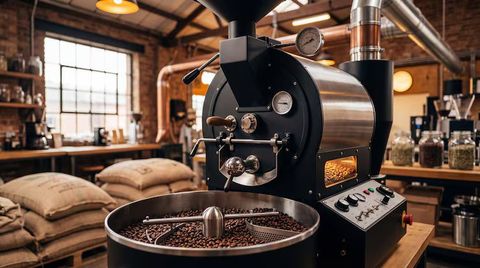
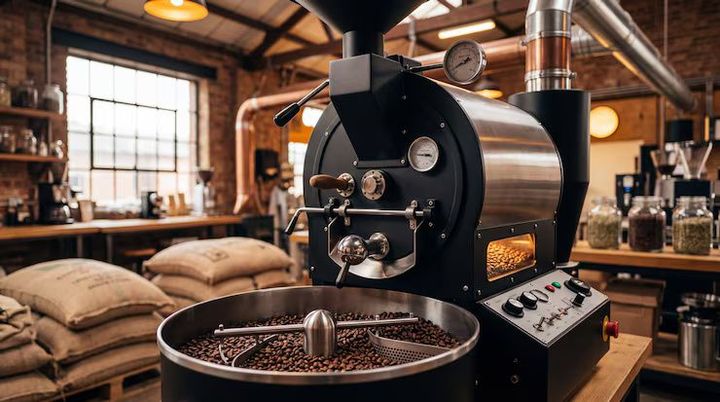
A typical machine uses heat, airflow, and bean movement to create an even roasting environment. Modern equipment may also include digital controls, temperature sensors, cooling systems, and software that records roast profiles. The two most common commercial designs are drum roasters and hot-air or fluid-bed roasters.
The type of machine used can influence production capacity, roasting speed, temperature management, and the consistency of individual batches. Understanding these factors helps explain the role of coffee roasting equipment in the wider coffee production process.
Importance
Coffee roasting is an important stage between green coffee processing and beverage preparation. Green beans have different physical and sensory characteristics from roasted coffee and must undergo controlled heating to develop the familiar aroma and flavor associated with coffee.
A coffee roasting machine provides a structured environment for managing this process. Factors such as heat, time, airflow, and bean movement can affect how evenly a batch develops.
Supporting Consistent Roasting
Manual roasting can be difficult to repeat with precision. A machine can help operators monitor important variables throughout the roasting cycle.
Many modern machines include features such as:
- Temperature sensors
- Adjustable heat settings
- Airflow controls
- Rotating drums or bean chambers
- Digital timers
- Cooling trays
- Roast profile recording systems
These features can help operators compare one batch with another and identify differences in the roasting process.
Meeting Different Production Requirements
Coffee roasting machines are available in different capacities. Small machines may process relatively limited quantities per batch, while commercial and industrial systems are designed for larger production volumes.
Machine capacity should be considered alongside the expected production schedule, available installation space, ventilation requirements, and operator experience. A machine's stated maximum capacity may not always represent the most suitable working batch size for every roast profile.
Types of Coffee Roasting Machines
Drum Coffee Roasters
Drum roasters use a rotating metal chamber to move coffee beans while heat is applied. The beans receive heat through a combination of contact with the heated drum and exposure to hot air.
This design is widely used across small and commercial roasting operations. Drum roasters may provide separate controls for heat, airflow, and drum movement, depending on the machine design.
Fluid-Bed or Hot-Air Roasters
Fluid-bed roasters use a stream of heated air to lift and circulate coffee beans. The moving air helps expose the beans to heat while keeping them in motion.
These machines rely primarily on convective heat transfer. Their operating characteristics differ from drum machines because the beans have less direct contact with a heated metal surface.
Hybrid Roasters
Some coffee roasting machines combine characteristics of drum and air-based systems. These designs may provide additional flexibility in controlling heat transfer and airflow.
The exact design and control options depend on the manufacturer and intended production scale.
Batch and Continuous Roasters
Batch roasters process a measured quantity of beans at one time. After a batch is roasted and cooled, the machine is prepared for another cycle.
Continuous roasters are designed for ongoing processing and are generally associated with higher-volume production environments. The choice between these systems depends on operational requirements and production volume.
| Roaster Type | Primary Heating Method | Typical Application |
|---|---|---|
| Drum roaster | Conduction and convection | Small to large batches |
| Fluid-bed roaster | Heated airflow | Small and medium batches |
| Hybrid roaster | Combined heat methods | Specialized roasting |
| Continuous roaster | Continuous controlled heating | High-volume processing |
Features of a Coffee Roasting Machine
Heat Source
Coffee roasting machines can use gas or electricity as their primary heat source. The heating system affects how quickly the machine responds to temperature adjustments and how it is installed.
The availability of energy infrastructure and local safety requirements may influence which system is suitable for a particular facility.
Bean Movement
Bean movement is important for reducing uneven exposure to heat. Drum machines rotate the roasting chamber, while fluid-bed machines use moving air to circulate the beans.
Uneven movement can contribute to differences in bean development within a batch.
Cooling System
Coffee beans continue to retain heat immediately after roasting. Cooling systems are used to reduce the bean temperature and stop further roasting development.
Many commercial machines use cooling trays with forced airflow. The cooling process is an important part of the complete roasting cycle.
Digital Controls
Modern equipment may include digital displays and programmable controls. These systems can record information such as:
- Bean temperature
- Environmental temperature
- Roasting time
- Heat adjustments
- Airflow changes
- Rate of temperature increase
Recorded information can help operators compare roast profiles and study differences between batches.
Capacity and Production Considerations
Coffee roasting machine capacity is usually measured by the quantity of green coffee beans that can be processed during one batch. Capacity ranges considerably between small household machines and industrial equipment.
For example, commercial roasting equipment may range from relatively small kilogram-level batches to substantially larger industrial batches. The actual output depends on the machine design and production workflow.
Factors That Affect Capacity
The appropriate capacity is not determined by batch size alone. Important considerations include:
- Number of batches completed during a working period
- Roasting and cooling time
- Green bean storage
- Available ventilation
- Machine heating performance
- Operator availability
- Cleaning and maintenance requirements
Coffee beans also lose moisture and mass during roasting. Therefore, the weight of roasted beans is generally lower than the original weight of green beans.
Roasting Methods and Temperature Control
The Main Stages of Roasting
The coffee roasting process generally begins with loading green beans into a heated roasting chamber. The beans gradually absorb heat and undergo physical and chemical changes.
The process can be broadly understood through several stages, including drying, browning, and further development. The exact temperature and duration of each stage can vary according to the bean type, machine, batch size, and desired roast characteristics.
During roasting, coffee beans may also experience recognizable physical events often referred to as cracks. These changes are associated with internal pressure and structural transformations within the beans.
Temperature Management
Temperature control is one of the most important functions of a coffee roasting machine. Operators may monitor both the roasting environment and the temperature of the beans.
Machines can use probes and sensors to collect this information. Changes to the heat source, airflow, and drum speed may influence how quickly the temperature changes during a roast.
Rather than relying on one universal temperature setting, operators usually develop roasting profiles based on the characteristics of specific coffee beans and the intended result.
The Role of Airflow
Airflow helps transfer heat and remove smoke, moisture, and loose bean material from the roasting environment. Its role varies according to machine type.
In drum roasters, airflow can work alongside heat from the drum surface. In fluid-bed machines, heated air plays a central role in both moving and heating the beans.
Quality Factors in Coffee Roasting
Several factors can influence the quality and consistency of roasted coffee.
Green Bean Characteristics
Coffee beans can differ according to variety, growing conditions, processing methods, density, size, and moisture content. These differences may influence how the beans respond to heat.
A roasting profile that works for one batch may not produce identical results with another type of green coffee.
Even Heat Distribution
Consistent heat distribution helps reduce differences between individual beans. Machine design, bean movement, airflow, and batch size can all affect heat exposure.
Overloading a machine may affect airflow and temperature recovery, while very small batches can behave differently from a machine's normal operating range.
Roasting Time and Development
The duration of the roasting cycle influences bean development. Rapid or uneven heating can create different results from slower, more gradual temperature changes.
For this reason, operators often examine both time and temperature data rather than considering either factor alone.
Cooling and Storage
Cooling is necessary after the roasting cycle to reduce further heat development. Once cooled, roasted beans are typically handled and stored according to appropriate food safety and packaging practices.
Recent Developments in Coffee Roasting
From 2024 through 2026, coffee roasting equipment has continued to develop through greater use of digital monitoring, roast-profile recording, and automation.
Modern commercial equipment increasingly focuses on measuring operational variables that can help improve batch repeatability. Roasting systems may include sensors and software that record temperature changes and other process data.
Energy efficiency and ventilation have also remained important considerations for commercial facilities. Equipment selection increasingly involves examining production requirements alongside infrastructure, environmental controls, and available operating space.
Manufacturers continue to provide machines across a wide range of batch capacities, from small sample roasting equipment to larger industrial systems.
Laws, Policies, and Safety Considerations
The regulations affecting a coffee roasting facility vary by country and location. Food processing rules, workplace safety requirements, fire regulations, and environmental standards may all be relevant.
Food Processing Requirements
Businesses that process and package coffee may be subject to local food safety rules. These can address facility hygiene, storage, packaging, labeling, and traceability.
The specific requirements depend on the country and the scale of the operation.
Fire and Ventilation Rules
Coffee roasting generates heat, smoke, gases, and chaff. Local building and fire regulations may therefore establish requirements for ventilation, exhaust systems, and fire protection.
The requirements for gas-powered and electric machines can also differ.
Equipment Safety
Operators should understand the equipment's operating procedures and safety instructions. Moving components, high temperatures, electrical systems, and combustible materials can create workplace hazards if equipment is improperly used.
Tools and Resources
Several resources can help users understand and manage the coffee roasting process.
Roast Profile Software
Roast profiling software can record and display temperature changes during a batch. This information can help users compare different roasting cycles and document machine settings.
Temperature Monitoring Tools
Thermometers, probes, and digital sensors are commonly used to monitor bean and environmental temperatures. Accurate monitoring equipment can support more detailed process observation.
Production Planning Templates
Simple spreadsheets can help record:
- Green bean quantities
- Batch sizes
- Roasting duration
- Temperature observations
- Roasted bean output
- Equipment cleaning schedules
These records can support routine quality monitoring and production planning.
FAQs
What is a coffee roasting machine used for?
A coffee roasting machine is used to apply controlled heat to green coffee beans. The process changes the physical and chemical characteristics of the beans and prepares them for grinding and brewing.
What are the main types of coffee roasting machines?
The main types include drum roasters and fluid-bed or hot-air roasters. Hybrid and continuous roasting systems are also used in some applications.
How is coffee roasting machine capacity measured?
Capacity is generally measured by the weight of green coffee beans processed during a batch. The appropriate working capacity can depend on machine design and the desired roasting profile.
Why is temperature control important in a coffee roasting machine?
Temperature control affects the speed and development of the roasting process. Monitoring temperature can help operators understand how beans respond to heat during different stages.
What factors affect coffee roasting quality?
Coffee roasting quality can be influenced by bean characteristics, heat distribution, airflow, roasting time, batch size, cooling, and equipment condition.
Conclusion
A coffee roasting machine uses controlled heat, airflow, and bean movement to transform green coffee beans into roasted coffee. Drum, fluid-bed, hybrid, and continuous systems provide different approaches to the roasting process. Capacity, temperature control, airflow, cooling, and bean characteristics are important factors that can influence production and quality. As roasting technology continues to develop, digital monitoring and process recording are becoming increasingly relevant in small and large-scale operations.