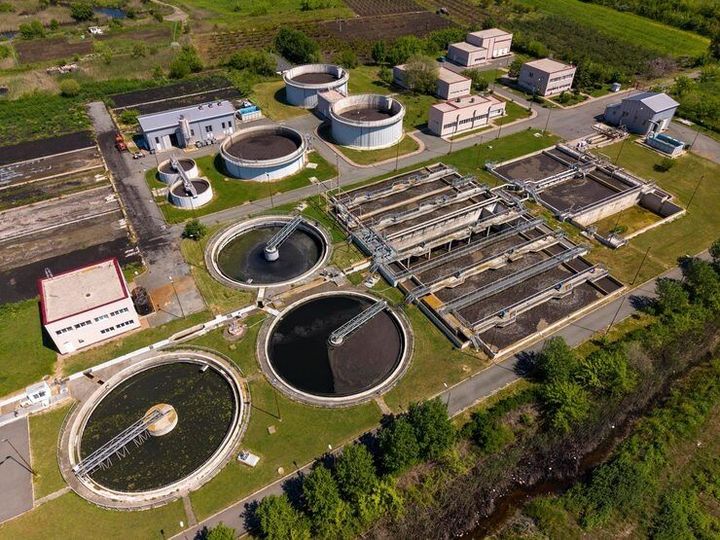
Wastewater Recycling Plants Guide: Explore Types, Processes, Equipment, Uses, and Planning Factors
Wastewater recycling plants are facilities designed to treat used water so that it can be processed and reused for suitable purposes. Wastewater can come from households, commercial buildings, industries, institutions, and other activities where water becomes contaminated with organic matter, suspended solids, chemicals, nutrients, or microorganisms.
The basic idea behind wastewater recycling is to separate contaminants from water through a series of physical, biological, and chemical treatment processes. Depending on the source and quality of the wastewater, treated water may be reused for irrigation, industrial processes, landscaping, toilet flushing, cooling, or other applications where the required water quality can be achieved.
A wastewater recycling plant is generally made up of several treatment stages rather than a single machine. Each stage targets particular contaminants and prepares the water for the next step.
What Is a Wastewater Recycling Plant?
A wastewater recycling plant combines treatment equipment and controlled processes to reduce pollutants in wastewater. The treated output is commonly called reclaimed, recycled, or treated water, depending on the application and local terminology.
The level of treatment depends on the intended reuse. Water intended for industrial cooling may have different quality requirements from water used for landscape irrigation or applications involving direct human contact.
Main Types of Wastewater Recycling Plants
Wastewater recycling systems can be grouped according to their source, treatment method, capacity, and intended use.
Common categories include:
- Municipal wastewater recycling plants for wastewater generated by communities.
- Industrial wastewater treatment and recycling plants designed around specific industrial contaminants.
- Commercial wastewater recycling systems used in buildings, hotels, institutions, and commercial facilities.
- Decentralized treatment plants serving smaller locations or individual developments.
- Containerized or modular systems designed around specific treatment capacities and site conditions.
- Water reclamation plants that apply advanced treatment when higher-quality recycled water is required.
The appropriate arrangement depends on wastewater characteristics, local regulations, available space, operating conditions, and the intended reuse application.
Importance
Water demand continues to place pressure on freshwater resources in many regions. Recycling wastewater can reduce the amount of treated freshwater required for applications that do not necessarily require drinking-water quality.
Wastewater recycling also provides an approach for managing water generated by industrial and urban activities. Instead of treating wastewater only as a disposal stream, recycling systems can recover water for appropriate secondary uses.
Why Wastewater Recycling Matters
Several factors make wastewater recycling important:
- It can reduce freshwater demand for selected applications.
- It can reduce the volume of wastewater discharged from a facility.
- It can support industrial water management.
- It can help facilities reuse water in repeated processes.
- It can provide an additional water source in areas facing water stress.
- It can support more efficient use of available water resources.
The environmental value depends on the complete treatment system, energy requirements, chemical use, residual management, and quality of the recycled water.
Common Sources of Wastewater
Wastewater characteristics vary significantly according to its source.
Household wastewater generally contains organic matter, suspended solids, nutrients, detergents, oils, and microorganisms. Industrial wastewater can contain a much wider range of substances, including metals, solvents, salts, acids, alkalis, oils, dyes, and process-specific compounds.
Commercial facilities may generate wastewater containing detergents, food residues, cleaning chemicals, and other substances associated with their activities. Understanding the source is therefore an important part of planning a recycling plant.
Recent Updates
From 2024 to 2026, wastewater recycling has continued to move toward greater automation, advanced treatment, energy efficiency, water-quality monitoring, and resource recovery. The general trend is toward systems that can measure treatment conditions continuously and adjust processes according to changing wastewater characteristics.
Membrane-based treatment remains an important part of advanced water recycling. Technologies such as ultrafiltration, nanofiltration, and reverse osmosis can provide progressively finer separation depending on the treatment objective.
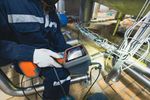
Digital monitoring is also becoming more common. Sensors can measure parameters such as pH, dissolved oxygen, turbidity, conductivity, flow, pressure, and other indicators. Data from these instruments can be integrated with supervisory control systems to help operators observe plant performance.
Advanced Treatment Technologies
Advanced wastewater recycling plants may combine several treatment technologies. Membrane bioreactors can combine biological treatment with membrane filtration, while reverse osmosis can provide additional removal of dissolved substances.
Ultraviolet treatment and other disinfection processes may be used where microbial control is required. The exact treatment train depends on the water source and the quality specification for reuse.
Resource Recovery
Modern wastewater management increasingly considers wastewater as a potential source of recoverable resources. Treatment plants can be designed to recover water, biogas, nutrients, and other materials depending on the process configuration.
Energy management is another area of development. Aeration is often one of the more energy-intensive biological treatment stages, so improved aeration controls, efficient equipment, and process monitoring can influence overall plant energy use.
Laws or Policies
In India, wastewater treatment and reuse are influenced by environmental regulations, water-quality requirements, local authorities, and pollution-control frameworks. The Central Pollution Control Board provides standards, technical guidance, and regulatory information related to wastewater and effluent management.
The Environment (Protection) Act, 1986 provides a central legal framework for environmental protection in India. Standards for effluent discharge may apply depending on the industry, discharge location, and applicable regulatory requirements.
The National Green Tribunal and government authorities have also addressed wastewater treatment, sewage management, and the reuse of treated water in different contexts. Requirements can vary between states, local bodies, industrial categories, and specific projects.
For industrial facilities, consent requirements from the relevant State Pollution Control Board or Pollution Control Committee may apply. Discharge limits and monitoring requirements depend on the type of activity and receiving environment.
Water reuse projects should therefore be assessed against current national, state, and local requirements. Technical planning should also consider the intended reuse application because recycled water quality requirements can differ substantially between applications.
Tools and Resources
Several resources can help readers understand wastewater recycling plants and evaluate treatment requirements.
Water Quality Testing
Laboratory testing is an important resource because wastewater composition cannot be determined reliably from appearance alone. Common parameters include biochemical oxygen demand, chemical oxygen demand, total suspended solids, pH, conductivity, nutrients, oils, metals, and microbiological indicators.
Testing results help determine which treatment processes may be appropriate.
Treatment Process Calculations
Engineers may use hydraulic loading, organic loading, retention time, filtration rate, membrane flux, chemical dosing, and other calculations when developing treatment systems. These calculations normally require site-specific information and engineering assumptions.
Monitoring Instruments
Common monitoring equipment includes:
- pH meters
- Flow meters
- Turbidity meters
- Conductivity meters
- Dissolved oxygen sensors
- Pressure sensors
- Level sensors
- Online water-quality analyzers
These instruments can provide information about changes in wastewater and treatment performance.
Government and Technical Resources
The Central Pollution Control Board provides environmental standards, technical publications, monitoring information, and regulatory resources related to water pollution and wastewater management.
The Ministry of Environment, Forest and Climate Change provides information about environmental legislation, rules, notifications, and national environmental programs. State Pollution Control Boards also provide state-specific regulatory information and application procedures.
Planning Factors
Planning a wastewater recycling plant requires consideration of both the wastewater and the intended reuse application. A system designed without sufficient information about the incoming water may not consistently achieve the required treatment level.
Wastewater Characteristics
Important characteristics include:
- Average and peak flow
- Organic loading
- Suspended solids
- pH
- Salinity
- Nutrient concentration
- Oils and grease
- Toxic or inhibitory substances
- Microbiological contamination
Industrial facilities may require additional testing because wastewater composition can change with production processes.
Treatment Stages
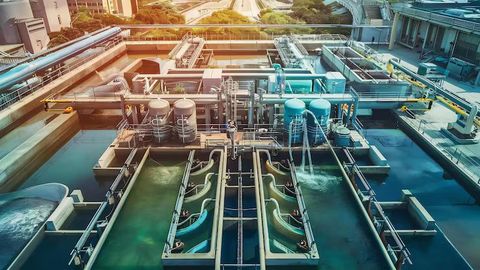
A typical recycling plant may include several stages:
| Treatment stage | Main purpose | Common equipment |
|---|---|---|
| Preliminary treatment | Remove large debris and solids | Screens, grit chambers |
| Primary treatment | Reduce settleable solids | Clarifiers, settling tanks |
| Biological treatment | Reduce biodegradable organic matter | Aeration tanks, biological reactors |
| Secondary separation | Separate biological solids | Clarifiers, membrane systems |
| Tertiary treatment | Improve water quality | Filters, membranes |
| Disinfection | Reduce microorganisms | UV systems, chlorination systems |
| Reuse storage | Hold treated water | Storage tanks, reservoirs |
Not every plant requires all of these stages. Treatment selection depends on the wastewater characteristics and intended use.
Equipment Selection
Major equipment can include pumps, screens, equalization tanks, biological reactors, clarifiers, filters, membrane systems, dosing equipment, disinfection units, sludge-handling equipment, storage tanks, and control systems.
Equipment selection should consider flow variations, material compatibility, maintenance requirements, energy use, environmental conditions, and the characteristics of the wastewater.
Site and Infrastructure
The available land affects the arrangement of tanks, pipelines, electrical equipment, access areas, chemical storage, sludge handling, and maintenance spaces. Underground or compact systems may be considered where land availability is limited.
The plant also needs suitable electrical infrastructure, drainage, ventilation, access for maintenance, and provisions for handling treatment residuals.
Reuse Applications
Recycled water can potentially be used for several purposes when its quality meets the relevant requirements.
Examples include:
- Landscape irrigation
- Toilet and urinal flushing
- Cooling systems
- Industrial process water
- Equipment washing
- Construction-related applications
- Certain agricultural uses
The appropriate application depends on water quality, exposure risks, local regulations, and the treatment level achieved.
FAQs
What is a wastewater recycling plant?
A wastewater recycling plant treats contaminated or used water so it can be reused for suitable applications. Treatment may include physical separation, biological processes, filtration, membrane treatment, and disinfection.
How does a wastewater recycling plant work?
Wastewater normally passes through multiple treatment stages. Large solids are removed first, followed by processes that reduce organic matter, suspended particles, dissolved contaminants, and microorganisms according to the required water quality.
What equipment is used in wastewater recycling plants?
Common equipment includes screens, pumps, tanks, clarifiers, biological reactors, filters, membrane systems, disinfection units, chemical dosing systems, sensors, control equipment, and sludge-handling systems.
What can recycled wastewater be used for?
Depending on its quality and applicable requirements, recycled water can be used for irrigation, toilet flushing, cooling, industrial processes, landscaping, washing, and other non-potable applications.
What factors should be considered when planning a wastewater recycling plant?
Important factors include wastewater composition, flow rate, treatment objectives, intended reuse, available space, energy requirements, residual management, equipment selection, monitoring needs, and applicable environmental regulations.
Conclusion
Wastewater recycling plants use a sequence of treatment processes to convert used water into water suitable for defined reuse applications. Their design can include physical, biological, chemical, membrane, and disinfection technologies depending on wastewater characteristics and treatment objectives. Recent developments emphasize automation, digital monitoring, advanced membranes, energy management, and resource recovery. In India, wastewater recycling projects must also consider applicable environmental regulations, discharge standards, and requirements from relevant authorities.