Understanding Water Management: Facts, Resources, and Practical Advice
Water management refers to the planning, development, distribution, and monitoring of water resources to ensure that water is available for human use, agriculture, industry, and environmental sustainability. It involves balancing water demand with available supply while protecting ecosystems and preparing for future challenges such as population growth and climate variability.
Lately, handling water well matters more than before. Some places face dry spells while others get too much rain, alongside shrinking underground reserves. Rain does not fall as it used to, making things harder. On top of that, more people live close together now, cities spread wider, and factories need more water, each using fresh water steadily.
Water trouble keeps showing up in reports by global groups like the UN and World Bank, pointing to real costs for economies and nature. Instead of waiting, officials and companies turn toward tools like digital tracking, reusing dirty water, smarter meters, along with plans built on live data - each step meant to stretch every drop further.
Water flows better when handled wisely, cutting scarcity while boosting farm yields. Public well-being rises alongside fewer droughts or floods thanks to smarter systems. With Earth’s limits clearer every day, how we handle water draws attention across governments, companies, towns, and people. Tough choices now shape what taps still run later.
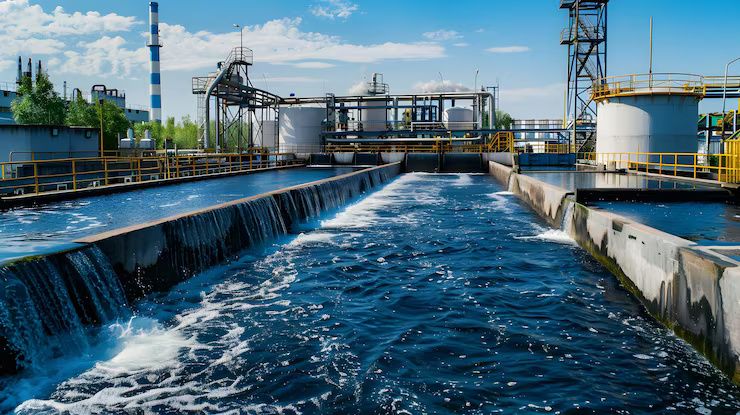
People impacted, and issues addressed
Most parts of daily life tie back to how water is managed. Safe drinking supplies matter just as much as toilets and waste removal at home. Crops stay strong when fields get enough moisture during growth periods. Factories need a steady flow for making goods, producing power, reducing heat, plus washing materials. Officials balance rising needs against nature's limits through pipes, dams, and policy choices.
Water shapes how nature functions, more so when people control its flow. Instead of rivers running free, they get diverted - wetlands shrink without a steady supply. Lakes depend on careful handling just like hidden aquifers below ground. Mistakes in planning often lead to damaged homes for wildlife, dirty water, and less supply over time. Balance matters because ecosystems react when too much is taken.
Water Management Solves Flooding, Drought, Pollution, and Waste
- Water scarcity and drought conditions
- Groundwater depletion
- Flood risk and stormwater management
- Agricultural irrigation inefficiencies
- Water pollution and contamination
- Aging infrastructure and leakage
- Unequal access to clean water
- Industrial water waste
- Climate change adaptation challenges
- Ecosystem degradation and biodiversity loss
Fixing these issues means better water control supports steady economies, healthier people, lasting ecosystems, and securing supplies for years ahead.
Water Management Updates and Trends
The last twelve months brought changes worth noting in how places handle water. Some areas adjusted their approach, and others tried new methods by necessity. Shifts appeared where least expected, quietly reshaping old routines. Not every change made headlines, yet patterns emerged across distant locations. What stayed constant was the pressure to adapt, slowly pushing systems to evolve.
Growth of Smart Water Technologies
Fresh tools like tiny sensors and web-linked gadgets now pop up more often across utility setups. Because they spot drips early, these pieces also keep tabs on how clean the water stays. When linked together, the flow paths adjust themselves fast, thanks to live data nudging each part along.
More Attention on Using Water Again
Across the country, city planners now push ahead with cleaner waste processing systems. Instead of dumping flows, treated sewage feeds farm fields, cooling machinery, and even seeps into drinking basins after heavy refinement. Some areas watch pipelines shift direction, carrying cleaned runoff back toward taps through nature's own filter.
Climate Resilience Planning
Water systems now face tougher checks because of shifting weather patterns. With storms growing stronger, designs must adapt before disaster strikes. When droughts linger too long, backup plans matter more than ever.
Agricultural Efficiency Improvements
Farmers are slowly switching to smarter watering tools like sensors that track dirt dampness. Because of this shift, crops still grow well even when less water is used. Machines now handle much of the watering process, turning it on only when needed. Less waste happens thanks to real-time updates from underground probes. Some growers rely fully on timed sprinklers, others mix old ways with new gadgets. Each field changes how these systems behave. Water savings add up over time without hurting harvest size.
Corporate Water Stewardship
Water sustainability reports matter more these days for companies. Some track how much they use, setting goals to cut back alongside wider efforts around environment and ethics work. A growing number tie these steps into their overall responsibility plans.
Comparing Key Ways to Manage Water
Starting, saving water means using less - families and companies do it easily, though people must actually change habits. Instead of relying only on pipes, collecting rain helps homes, farmers, and even schools cut back on bought supplies; yet tanks can fill up fast. Aquifer protection matters most when regions draw heavily from underground - governments and farms manage this slowly because tracking levels gets tricky. Using cleaned wastewater again fits factories and towns well, since fresh sources get spared - but purifying isn’t cheap. When digital tools watch flow patterns, city services respond quicker; still, setting up sensors takes funds and skill. Looking at all needs together - from farming to taps - officials shape broader plans, although getting groups to sync remains tough.
Water Management Advantages Across Sectors
Farming needs lots of water for crops, so smarter watering systems help reduce waste. Factories use large amounts, which makes recycling a practical choice most often. City utilities lose water through old pipes, leading to digital tracking tools catching problems early. Power plants require cooling, pushing engineers toward designs using less fluid overall. Homes add up in daily usage, making small changes in routines meaningful over time. Nature depends on balanced flows, prompting rules that keep withdrawals within safe limits.
Water Management Performance Indicators
This chart-style summary shows typical performance measures water managers rely on.
Low Performance Water Loss Rate Above 30 Percent. Moderate Performance Water Loss Rate 15 to 30 Percent. High Performance Water Loss Rate Below 15 Percent. Minimal Wastewater Reuse. Partial Wastewater Reuse. Extensive Wastewater Reuse. Limited Smart Monitoring Coverage. Growing Smart Monitoring Adoption. Broad Smart Monitoring Deployment. Reactive Drought Preparedness. Planned Drought Measures. Comprehensive Drought Resilience Strategy. Low Conservation Participation. Moderate Conservation Adoption. Strong Community Conservation Involvement.
Utilities see where changes matter most because of these markers. Policymakers spot weak spots since they track what shifts over time.
Laws and Policies That Shape How Water Is Managed
Most rules around water come from laws, eco-guidelines, or state-backed efforts. Though each nation sets its own terms, some shared priorities still guide how water is handled across nations.
Water Quality Regulations
Water rules come from government offices, setting clear lines for what goes into taps, drains, and factory smoke. Because of these steps, people stay safer, and nature stays cleaner too.
Groundwater Extraction Controls
Across different regions, rules often demand permissions alongside regular checks or set caps on how much water can be taken from underground sources so that reserves do not run too low.
Flood Management Programs
Flood risks shape how public groups handle land rules, build defenses, and sometimes boost readiness steps. Some agencies adjust plans when water levels rise too fast near rivers. Rules appear where flooding hits hard, structures go up, and preparations follow slowly behind. Pressure builds after storms, systems shift, and actions emerge piece by piece. Decisions unfold based on past floods, and future warnings rarely guide them early enough.
Agricultural Water Policies
Farming folks could face limits on watering crops, rules about how well they use water, or get rewards meant to encourage smarter usage. Sometimes it's caps on supply, sometimes guidelines for better flow control, other times small perks nudging habits toward conservation. Rules might tighten when supplies run low, systems must meet certain benchmarks, support shows up through cash, or help cut costs. What matters is keeping land productive while using less liquid each season. Pressure builds slowly, changes come piece by piece, adjustments stack without fanfare.
Climate and sustainability efforts
Funding for updated infrastructure shows up more often alongside goals to save water. Restoration work on natural systems now tags along with those plans, too. Regional and national projects are weaving these pieces together, though each area stitches them differently.
Practical Guidance
When cities face low water supplies, saving water matters more than ever - smart meters help track use daily. Crops suffer when dry seasons stretch long; tiny drips of precise watering make a difference. Factories needing a steady flow now turn back to cleaned wastewater instead of fresh sources. Heavy rains overwhelm neighborhoods downriver - drains built smarter slow the rush. Underground pools shrink below farmland; sensors watch every drop pulled up while rain soaks into the soil again. More people arrive each year - the full system must adapt together across fields and towns.
When conditions shift, rules around water might too. Local laws and aid options need checking now and then by groups who rely on them. Changes in nature or money matters often bring updates that officials expect others to follow.
Water management tools and resources
Water planning gets help from various tools that also track usage while supporting conservation work across different areas.
Digital Monitoring Tools
- Smart water meters
- IoT-based leak detection systems
- Water quality monitoring sensors
- Geographic Information Systems (GIS)
Tools for Planning and Review
- Hydraulic modeling platforms
- Water resource forecasting systems
- Infrastructure asset management software
- Weather danger check systems
Educational Resources
- United Nations Environment Programme publications
- Food and Agriculture Organization water management resources
- Government environmental agency guidance documents
- University research centers focused on water sustainability
Tools and Forms That Help With Math and Planning
- Water footprint calculators
- Irrigation scheduling calculators
- Rainwater harvesting sizing tools
- Water conservation audit templates
- Water hazard check forms
Professional Services
- Environmental consulting firms
- Water engineering specialists
- Sustainability advisory services
- Infrastructure planning consultants
From time to time, tools like these boost how smoothly groups operate while lowering the chances of problems showing up. They also guide choices with clearer insight when used regularly.
Frequently Asked Questions
What is water management?
Starting, people figure out how much water is needed where. Then comes deciding who gets what, making sure it flows right. Watching levels closely helps avoid shortages later on. Saving extra when possible keeps things balanced down the road. Farms need their share, factories too, along with daily life stuff. Nature requires its portion just as much as cities do. Done well, supply lasts without running dry ahead.
Why is water management important?
Water flows better when managed well, so communities get steady access while cutting down on losses. Ecosystems stay healthier because less strain is placed on rivers and wetlands. Droughts hit harder where planning falls short, yet smart steps soften those blows. Flood risks shrink when systems work with nature instead of fighting it.
What are the main challenges in water management?
Heavy rains fade, leaving too little water behind. Pipes crack with age while toxins seep into rivers. Rising heat shifts weather patterns in odd ways. Wells sink lower each season without a refill. More people arrive every year, needing more than before.
How does technology improve water management?
Smart meters spot problems fast. Sensors keep an eye on flow changes. Data tools find patterns others miss. Monitoring setups adjust supply without waiting. Leaks show up early through constant checks. Distribution runs smoother when insights guide decisions. Efficiency grows where tech handles tasks.
What is sustainable water management?
Water kept in check today means tomorrow won’t run dry. Holding back waste now opens room for a steady flow later. Clean supply sticks around when care shapes use. Future taps depend on choices made before the pipes slow down.
Conclusion
These days, shifting weather patterns along with more people mean water needs careful handling. Instead of just using old methods, many now mix saving tactics, smart tools, recycling used water, and plan everything together to work better when things get tough.
Water issues around the world often ease when systems are managed ahead of time. Such care cuts down waste, helps nature stay balanced, and lifts future financial health. One fix never works everywhere. Strongest results come through mixing updated structures, smart rules, and new tools, along with local involvement.
Most areas and groups should aim for a steady way of handling water, focusing on saving it, keeping track, and then planning. Because when efforts include care, checks, plus smart timing, they stand stronger against coming shortages. These methods also help growth go smoothly without harming nature's balance.