Smart Watches Guide: Everything You Need to Know
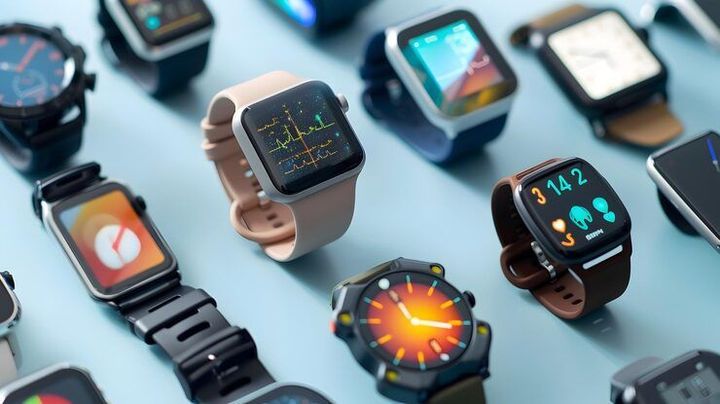
Smart watches have become a familiar part of daily life for many people. What started as a simple digital companion has developed into a wearable device that helps people stay connected, monitor their health, and manage everyday activities. Whether someone is interested in fitness, productivity, or convenience, a smart watch can support many daily routines. Unlike traditional watches that mainly display the time, smart watches combine several technologies into a compact device worn on the wrist.
They can connect with smartphones, track physical activity, display notifications, and provide helpful information throughout the day. As technology continues to improve, these devices are becoming more capable while remaining easy to use.
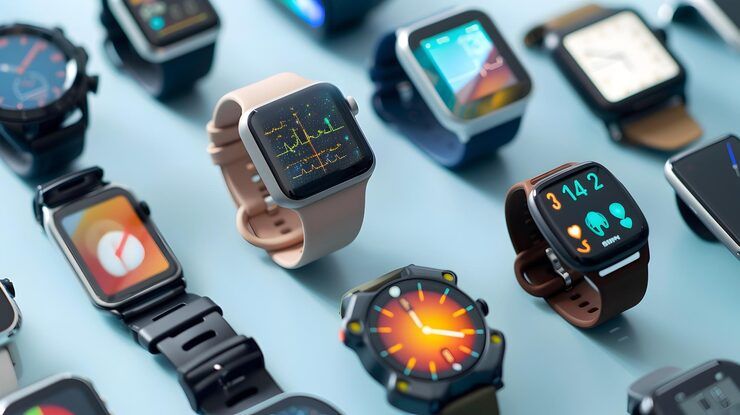
This guide explains what smart watches are, how they work, their common features, their advantages, their limitations, and what people should consider when choosing one.
What Is a Smart Watch?
A smart watch is a wearable electronic device designed to perform functions beyond telling time. It usually connects to a smartphone through Bluetooth or Wi-Fi, allowing users to receive messages, answer calls, monitor health data, and use various applications directly from their wrist.
Some models also include built-in GPS, cellular connectivity, voice assistants, and advanced fitness tracking. These features make smart watches useful for both everyday activities and outdoor adventures.
How Smart Watches Work
A smart watch contains several small components working together inside a lightweight design. These include sensors, a processor, memory, a rechargeable battery, and wireless communication technology.
After pairing with a compatible smartphone, the watch exchanges information with the phone. Notifications, reminders, calendar events, music controls, and weather updates can all appear on the watch display without needing to reach for the phone.
Many smart watches also operate independently for certain tasks, especially those with cellular connectivity or onboard GPS.
Common Features of Smart Watches
Modern smart watches include a wide range of features designed to support different lifestyles.
Time and Calendar Functions
Even with many advanced capabilities, smart watches still perform their traditional role of displaying time. Users can customize watch faces, switch between digital and analog styles, and display additional information such as dates, weather conditions, or upcoming appointments.
Health Monitoring
Health tracking has become one of the most recognized features of smart watches. Many devices include sensors that monitor:
- Heart rate
- Daily steps
- Distance traveled
- Calories burned
- Sleep patterns
- Blood oxygen levels
- Stress indicators
Some watches can also remind users to stand, move, or take short walking breaks during long periods of inactivity.
Fitness Tracking
People interested in physical activity often use smart watches to monitor exercise sessions. Many watches automatically recognize activities such as:
- Walking
- Running
- Cycling
- Swimming
- Hiking
- Strength training
- Yoga
Workout summaries help users understand their activity levels over time.
Notifications
A smart watch can display notifications from connected smartphones, including:
- Text messages
- Phone calls
- Emails
- Calendar reminders
- Navigation directions
- Social media alerts
This allows users to stay informed without constantly checking their phones.
GPS Navigation
Many smart watches include built-in GPS, making them useful for outdoor activities. GPS tracking records running routes, cycling paths, hiking trails, and walking distances with greater accuracy.
Navigation instructions can also appear directly on the watch screen while traveling.
Music Controls
Many watches allow users to control music playback without handling their smartphones. Depending on the model, users may pause songs, adjust volume, skip tracks, or store music directly on the watch.
Mobile Payments
Some smart watches support contactless payment technology. After linking a compatible payment method, users can complete purchases by tapping the watch near supported payment terminals.
Voice Assistance
Voice assistants make it possible to perform tasks using spoken commands. Users can ask questions, create reminders, check weather updates, or control compatible smart home devices.
Types of Smart Watches
Different smart watches are designed for different purposes.
Everyday Smart Watches
These watches focus on communication, productivity, health monitoring, and convenience. They are commonly paired with smartphones for daily use.
Fitness Watches
Fitness-focused models place greater emphasis on activity tracking, workout analysis, and health monitoring. They often include longer battery life and additional sports features.
Outdoor Adventure Watches
Designed for challenging environments, these watches may include:
- Advanced GPS
- Altimeter
- Compass
- Barometer
- Rugged construction
- Water resistance
They are commonly used during hiking, trail running, and outdoor exploration.
Hybrid Smart Watches
Hybrid models combine the appearance of traditional analog watches with selected smart features, offering a balance between classic style and modern technology.
Advantages of Smart Watches
Smart watches provide several practical benefits in everyday life.
Quick Access to Information
Important updates appear on the wrist, reducing the need to check a smartphone repeatedly.
Health Awareness
Regular monitoring helps users understand daily habits, physical activity, sleep routines, and overall wellness trends.
Activity Motivation
Daily goals, reminders, and progress tracking encourage people to remain active throughout the day.
Improved Organization
Calendar alerts, reminders, timers, and alarms help users manage schedules more efficiently.
Navigation Assistance
Turn-by-turn directions displayed on the wrist can make walking, cycling, or driving more convenient.
Emergency Features
Some smart watches include emergency alerts, fall detection, or location sharing, providing additional support in certain situations.
Limitations of Smart Watches
Although smart watches are useful, they also have some limitations.
Battery Life
Battery performance varies depending on features used. Frequent GPS tracking, bright displays, and continuous health monitoring may reduce operating time between charges.
Screen Size
The compact display limits how much information can be viewed comfortably compared with smartphones or tablets.
Compatibility
Certain features work only with compatible smartphones or operating systems, making compatibility an important consideration.
Learning Curve
People using a smart watch for the first time may need a short period to become familiar with settings, applications, and customization options.
Factors to Consider When Choosing a Smart Watch
Several factors can help narrow the selection.
Compatibility
Confirm that the smart watch supports the operating system used by the smartphone.
Battery Performance
Battery duration varies widely depending on display technology, sensors, and daily usage patterns.
Display Type
Different display technologies affect brightness, readability, and battery consumption.
Health Features
Some users may prioritize heart rate tracking, sleep monitoring, GPS, or activity tracking depending on personal interests.
Water Resistance
People who swim or spend time outdoors may appreciate stronger water resistance ratings.
Comfort
Since smart watches are often worn throughout the day, a comfortable design and adjustable strap are important.
Smart Watches in Everyday Life
Smart watches are now used across many situations.
Students can receive reminders about assignments and schedules.
Office workers can quickly review notifications during meetings.
Fitness enthusiasts can monitor workouts and daily movement.
Travelers can follow navigation without frequently checking a phone.
Families can stay connected through calls and messages while keeping phones in their pockets or bags.
These examples show how smart watches fit naturally into many daily routines.
Future Developments
Wearable technology continues to evolve. Future smart watches are expected to include more advanced health monitoring, longer battery performance, improved artificial intelligence features, and expanded connectivity.
Researchers are also exploring additional health sensors that may provide even more detailed wellness information while maintaining user privacy and accuracy.
As technology advances, smart watches are likely to become even more integrated into everyday life.
Conclusion
Smart watches combine communication, health monitoring, fitness tracking, and productivity tools into a compact wearable device. They help users stay informed, organize daily activities, monitor physical wellness, and access useful information with just a glance at the wrist.
While battery life, compatibility, and screen size remain important considerations, the variety of available features makes smart watches suitable for many different lifestyles. Understanding their capabilities and limitations helps people make informed decisions based on their individual needs and preferences.