Casting Machine Guide: How It Works, Types, Materials & Uses
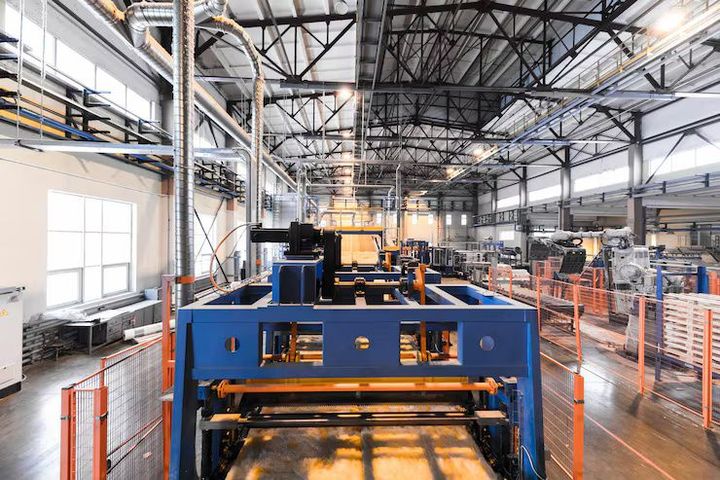
Manufacturing has changed significantly over the years, allowing people to create metal parts with greater precision and consistency. One important piece of equipment that supports this process is the casting machine. It helps shape molten metal into useful components that appear in vehicles, buildings, industrial equipment, household products, and many everyday items.
Although the process may seem complex at first, the basic idea is straightforward. A casting machine helps pour molten metal into a mold, where it cools and hardens into a specific shape. Once the metal solidifies, the finished part is removed and prepared for its intended purpose.
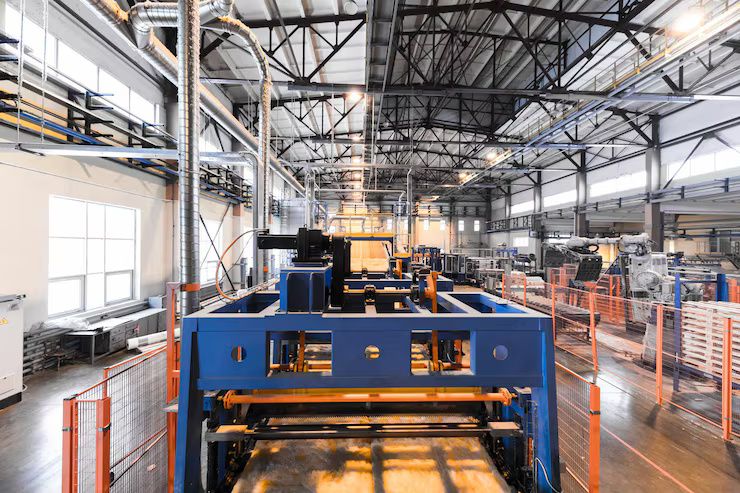
Understanding how a casting machine works can help students, business owners, engineers, and anyone interested in manufacturing gain a clearer picture of modern production methods. This guide explains the different types of casting machines, how they operate, where they are used, and why they remain an important part of many industries.
What Is a Casting Machine?
A casting machine is equipment designed to shape molten metal by directing it into a mold. The mold contains a cavity that matches the desired shape of the final component. As the molten metal cools, it becomes solid and takes on the exact form of the mold.
Casting machines support a wide variety of metals, including aluminum, iron, steel, brass, bronze, magnesium, and zinc. Different materials require different temperatures and handling methods, so manufacturers select machines based on the type of metal and the finished product.
Modern casting machines combine automation, temperature control, and precision to produce consistent results across large production runs.
How Does a Casting Machine Work?
Although machine designs differ, most casting processes follow similar steps.
Preparing the Mold
The process begins with a mold. It may be made from sand, metal, ceramic, or another material depending on the application and production volume.
Melting the Metal
Raw metal is heated inside a furnace until it reaches the proper pouring temperature. Maintaining the correct temperature helps achieve smooth metal flow and reduces defects.
Filling the Mold
The molten metal moves into the mold through channels designed to guide the flow evenly. Some casting machines rely on gravity, while others use pressure to fill the mold more quickly and accurately.
Cooling and Solidification
Once inside the mold, the metal gradually cools and hardens. Cooling time depends on the material, part size, and mold design.
Removing the Casting
After solidification, the mold opens or is broken apart, allowing the finished casting to be removed.
Finishing Operations
The final part may go through trimming, cleaning, grinding, machining, or polishing before it is ready for assembly or further processing.
Main Types of Casting Machines
Different manufacturing needs require different casting methods.
Die Casting Machine
Die casting machines inject molten metal into hardened steel molds using high pressure. This process creates smooth surfaces and accurate dimensions, making it suitable for producing large quantities of identical parts.
Common applications include:
- Automotive components
- Electronic housings
- Appliance parts
- Industrial equipment
Sand Casting Machine
Sand casting uses molds made from specially prepared sand. It is suitable for producing large or complex metal parts that may not fit other casting methods.
Typical products include:
- Engine blocks
- Pump housings
- Pipe fittings
- Heavy machinery components
Investment Casting Machine
Investment casting begins with a wax pattern that becomes surrounded by ceramic material. After the wax melts away, molten metal fills the remaining cavity.
This process produces detailed parts with excellent dimensional accuracy.
Common examples include:
- Aerospace components
- Medical instruments
- Turbine blades
- Precision mechanical parts
Continuous Casting Machine
Continuous casting transforms molten metal into long shapes such as billets, slabs, or blooms without stopping the production process.
Steel plants commonly use this method because it improves productivity and material consistency.
Centrifugal Casting Machine
In centrifugal casting, the mold rotates at high speed while molten metal enters it. Centrifugal force spreads the metal evenly around the mold walls.
This technique is often used for:
- Pipes
- Bushings
- Cylinders
- Rings
Materials Commonly Used in Casting
Casting machines work with many metal types.
Some frequently used materials include:
- Aluminum
- Cast iron
- Steel
- Brass
- Bronze
- Zinc
- Magnesium
- Copper alloys
Each material provides different characteristics such as strength, corrosion resistance, weight, or heat resistance.
Applications of Casting Machines
Casting technology supports many industries because it can produce both simple and highly detailed metal parts.
Automotive Manufacturing
Many vehicle components begin as cast parts, including engine blocks, transmission housings, wheels, and structural brackets.
Construction
Construction equipment and building projects depend on cast components such as valves, connectors, support brackets, and structural fittings.
Aerospace
Aircraft require lightweight yet durable metal components with high precision. Casting plays an important role in producing these specialized parts.
Energy Industry
Power plants, renewable energy equipment, and oil processing facilities use cast metal components capable of handling demanding operating conditions.
Medical Equipment
Medical devices often include precision cast parts that require consistent dimensions and reliable performance.
Agriculture
Farm machinery includes numerous cast components designed to withstand continuous outdoor use and heavy workloads.
Advantages of Casting Machines
Casting technology provides several practical benefits.
Complex Shapes
Many intricate designs can be produced without requiring multiple manufacturing steps.
Material Flexibility
A wide range of metals can be processed depending on the intended application.
Consistent Production
Modern casting machines help maintain uniform quality throughout large production batches.
Reduced Material Waste
Well-designed molds and controlled pouring methods improve material usage.
High Production Capacity
Automated systems can manufacture large numbers of identical parts within planned production schedules.
Challenges in Casting
Like any manufacturing process, casting has certain challenges.
Possible issues include:
- Air pockets inside the metal
- Shrinkage during cooling
- Surface imperfections
- Mold wear
- Temperature control difficulties
Manufacturers reduce these problems through careful process planning, equipment maintenance, and quality inspection.
Safety Considerations
Casting involves extremely high temperatures, making safety an important part of daily operations.
Common safety practices include:
- Wearing heat-resistant protective clothing
- Using face shields and gloves
- Monitoring furnace temperatures
- Maintaining proper ventilation
- Inspecting equipment regularly
- Following established operating procedures
These measures help reduce workplace risks while supporting consistent production.
Maintenance of a Casting Machine
Routine maintenance helps machines continue operating efficiently over long periods.
Maintenance activities often include:
- Cleaning molds and machine surfaces
- Checking hydraulic systems
- Inspecting electrical components
- Monitoring lubrication points
- Replacing worn parts
- Verifying temperature sensors
- Calibrating control systems
Scheduled inspections also help identify potential issues before they affect production.
Future Trends in Casting Technology
Casting technology continues to evolve alongside advances in manufacturing.
Some important developments include:
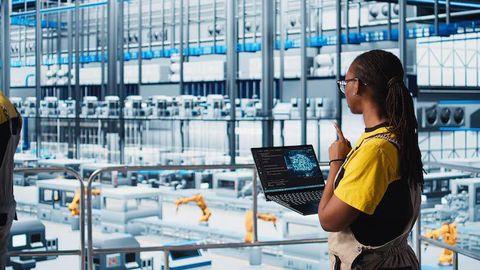
- Automation for repetitive operations
- Robotic handling systems
- Artificial intelligence for process monitoring
- Real-time production data analysis
- Energy-efficient furnace designs
- Digital simulation before production begins
- Improved mold materials for longer operating life
These innovations help manufacturers improve consistency while reducing unnecessary material usage and production delays.
Conclusion
Casting machines remain an essential part of modern manufacturing. They transform molten metal into precise components used across transportation, construction, energy, agriculture, healthcare, and many other industries. Different casting methods allow manufacturers to create everything from small precision parts to large industrial components.
As technology continues to develop, casting machines are becoming more automated, efficient, and accurate. Understanding how these machines work provides valuable insight into one of the most widely used manufacturing processes in the world. Whether someone is learning about industrial production or exploring manufacturing techniques, casting technology demonstrates how engineering and precision combine to shape the metal components found in everyday life.