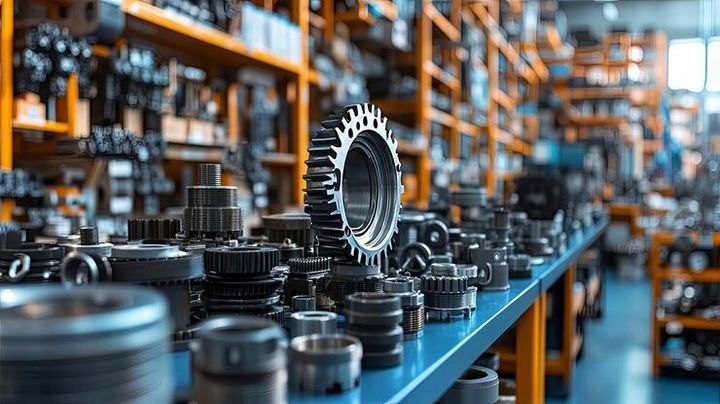
Industrial Components Guide: Understanding Essential Machine Parts
Industrial components are the building blocks of machines, equipment, and production systems. Whether it is a manufacturing plant, a warehouse, or a processing facility, countless components work together to keep operations moving. While many people notice large machines, it is often the smaller parts that keep everything functioning smoothly.
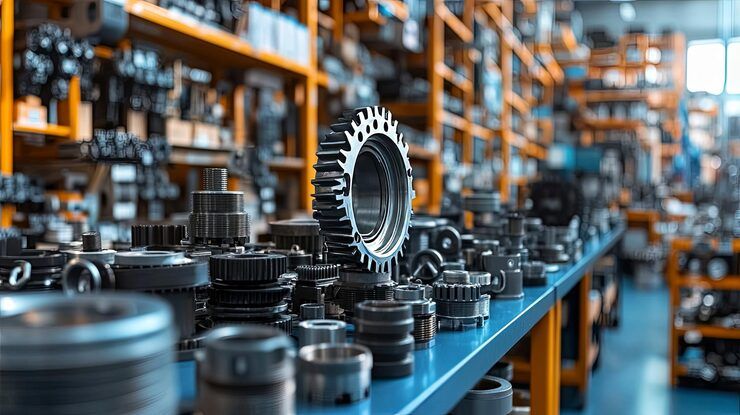
Understanding industrial components does not require an engineering background. Learning what these parts do and how they work together can make it easier to understand modern manufacturing and industrial operations. This guide explains common industrial components, their functions, where they are used, and why proper selection and maintenance matter.
What Are Industrial Components?
Industrial components are individual parts used to assemble machines, production equipment, and mechanical systems. Every machine is made up of many different components, each designed for a specific purpose.
Some components create movement, while others transfer power, support heavy loads, control pressure, regulate electrical systems, or connect different sections of equipment.
Without these parts working together, industrial systems would not operate as intended.
Why Industrial Components Matter
Industrial equipment often operates for long periods under demanding conditions. Reliable components help equipment perform smoothly and reduce unexpected interruptions.
Well-designed components also contribute to:
- Stable machine operation
- Improved workplace safety
- Consistent production quality
- Efficient energy use
- Longer equipment lifespan
- Easier maintenance and replacement
Even a small component can influence the overall performance of a much larger machine.
Common Types of Industrial Components
Industrial systems use a wide variety of components depending on their purpose. Some of the most common categories include the following.
Bearings
Bearings reduce friction between moving parts. They allow shafts and rotating equipment to move smoothly while supporting different types of loads.
Common applications include:
- Electric motors
- Pumps
- Fans
- Conveyor systems
- Gearboxes
Without bearings, moving parts would wear much more quickly due to increased friction.
Belts
Belts transfer mechanical power from one rotating part to another.
They are commonly found in:
- Conveyor equipment
- Packaging machinery
- Agricultural equipment
- Manufacturing machines
Different belt materials and designs are selected depending on speed, load, and operating conditions.
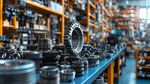
Gears
Gears transfer rotational motion between shafts while changing speed or torque.
Several gear types exist, including:
- Spur gears
- Helical gears
- Bevel gears
- Worm gears
These components appear in machinery ranging from industrial robots to heavy equipment.
Shafts
A shaft transfers power from one machine component to another.
Many rotating systems depend on shafts to connect motors, gears, pulleys, and couplings.
Proper alignment helps reduce vibration and unnecessary wear.
Couplings
Couplings connect two rotating shafts together.
Their purposes include:
- Power transmission
- Compensation for slight shaft misalignment
- Reduction of vibration
- Protection against sudden overload
Different coupling designs are selected according to machine requirements.
Fasteners and Connecting Components
Many industrial systems rely on simple connecting parts that hold equipment together securely.
Examples include:
- Bolts
- Nuts
- Washers
- Screws
- Pins
- Rivets
Although these parts appear small, they help maintain structural stability throughout a machine.
Proper tightening methods help prevent loosening during operation.
Hydraulic Components
Hydraulic systems use pressurized fluid to generate powerful movement.
Common hydraulic components include:
Hydraulic Pumps
These create fluid flow throughout the hydraulic system.
Hydraulic Cylinders
Cylinders convert hydraulic pressure into straight-line movement.
They are widely used in:
- Construction equipment
- Manufacturing presses
- Material handling equipment
Hydraulic Valves
Valves regulate fluid direction, pressure, and flow within the system.
Accurate control helps machines perform smoothly and safely.
Pneumatic Components
Pneumatic systems use compressed air instead of hydraulic fluid.
Typical pneumatic components include:
- Air cylinders
- Air compressors
- Pressure regulators
- Directional valves
- Air filters
- Connectors
These systems are commonly found in packaging, automation, assembly, and material handling applications.
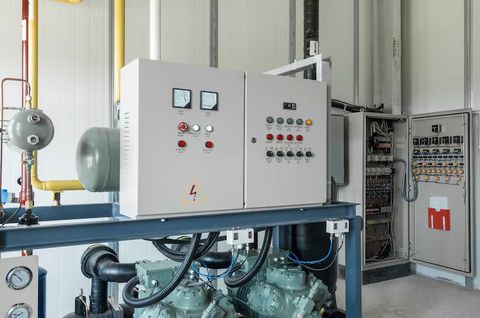
Electrical Components
Modern industrial equipment combines mechanical parts with electrical systems.
Common electrical components include:
Electric Motors
Motors convert electrical energy into mechanical movement.
They power numerous industrial machines, including pumps, conveyors, and ventilation systems.
Sensors
Sensors monitor machine conditions by detecting factors such as:
- Temperature
- Pressure
- Position
- Speed
- Proximity
Collected information helps automated systems respond accurately during operation.
Switches
Switches start, stop, or control electrical circuits.
They also support machine safety by allowing operators to disconnect power when needed.
Conveyor Components
Conveyor systems move materials efficiently within industrial facilities.
Important conveyor components include:
- Rollers
- Drive motors
- Conveyor belts
- Bearings
- Pulleys
- Support frames
Each part contributes to smooth and continuous material movement.
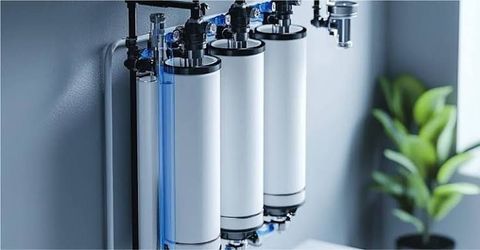
Filtration Components
Industrial systems often require clean air, water, hydraulic fluid, or lubricants.
Filters help remove unwanted particles before they damage equipment.
Common filter types include:
- Air filters
- Oil filters
- Hydraulic filters
- Water filters
Regular replacement helps maintain proper system performance.
Seals and Gaskets
Seals and gaskets help prevent leaks between connected surfaces.
They are commonly used in:
- Pumps
- Valves
- Engines
- Hydraulic equipment
- Piping systems
Selecting suitable materials depends on operating temperature, pressure, and the type of fluid involved.
Industrial Automation Components
Automation has become an important part of modern manufacturing.
Many automated systems depend on components such as:
- Controllers
- Sensors
- Relays
- Motor drives
- Human-machine interfaces
- Safety devices
Together, these components help coordinate machine operations with greater accuracy and consistency.
Materials Used in Industrial Components
Industrial components are manufactured from different materials depending on operating conditions.
Common materials include:
- Steel
- Stainless steel
- Aluminum
- Brass
- Bronze
- Cast iron
- Engineering plastics
- Rubber
- Composite materials
Each material provides different characteristics related to strength, corrosion resistance, flexibility, and durability.
Factors to Consider When Selecting Industrial Components
Choosing suitable industrial components involves several practical considerations.
These include:
Operating Environment
Temperature, moisture, dust, and chemicals can influence component performance.
Load Requirements
Components should match the forces they are expected to handle during operation.
Speed
High-speed equipment often requires specially designed bearings, gears, and rotating parts.
Compatibility
Components should work correctly with existing equipment and surrounding systems.
Maintenance Needs
Some parts require regular inspection, lubrication, cleaning, or replacement to maintain reliable operation.
Maintenance of Industrial Components
Routine maintenance helps identify wear before it develops into larger equipment problems.
Common maintenance activities include:
- Visual inspections
- Lubrication
- Cleaning
- Alignment checks
- Tightening fasteners
- Replacing worn components
- Monitoring vibration and temperature
Keeping maintenance records also helps identify recurring issues and supports long-term equipment planning.
Industries That Use Industrial Components
Industrial components are used across many sectors.
Examples include:
- Manufacturing
- Food processing
- Mining
- Agriculture
- Construction
- Energy production
- Warehousing
- Transportation
- Chemical processing
- Water treatment
Although each industry has unique requirements, the basic purpose of these components remains the same: supporting reliable equipment operation.
Future Trends in Industrial Components
Industrial technology continues to evolve.
Several developments are shaping component design, including:
- Smart sensors with real-time monitoring
- Predictive maintenance using equipment data
- Energy-efficient motor technology
- Lightweight engineering materials
- Improved corrosion-resistant coatings
- Greater integration with automated production systems
These developments help organizations monitor equipment more effectively and make maintenance planning more informed.
Conclusion
Industrial components form the foundation of nearly every machine used in manufacturing and industrial operations. From bearings and gears to motors, sensors, filters, and hydraulic parts, each component performs a specific function that supports the overall system.
Understanding how these components work together makes industrial equipment easier to understand, even for those without technical training. Regular inspection, appropriate component selection, and consistent maintenance contribute to reliable operation and longer equipment life. As technology continues to develop, industrial components are becoming more efficient, connected, and adaptable to the changing needs of modern industry.