How to Choose Interior Paint for Every Room
Interior paint does much more than change the appearance of a room. It helps shape the mood, protects surfaces from everyday wear, and makes spaces easier to maintain. Whether refreshing a single room or updating an entire home, understanding how interior paint works can make the process much smoother.
With many paint types, finishes, and colors available, it is easy to feel unsure about where to begin. Learning the basics helps homeowners and renters make informed decisions that match their space, lifestyle, and design preferences.
What Is Interior Paint?
Interior paint is a coating made for indoor walls, ceilings, trim, and other surfaces. Once applied, it dries into a protective layer that adds color while helping shield surfaces from stains, moisture, and daily use.
Modern interior paints are designed to work on different materials, including drywall, plaster, wood, brick, and concrete. Choosing the correct paint depends on the room, the surface, and the desired appearance.
Main Types of Interior Paint
Different paint formulations are suited for different situations. Understanding these options helps ensure the finished surface performs well over time.
Water-Based Paint
Water-based paint is commonly used in homes because it dries relatively quickly and produces less noticeable odor during application. It is also easier to clean from brushes and rollers using water.
Many people choose this type for bedrooms, living rooms, hallways, and ceilings.
Oil-Based Paint
Oil-based paint creates a durable surface that stands up well to repeated cleaning. It is often selected for trim, doors, cabinets, and decorative woodwork where additional durability is helpful.
Drying usually takes longer than water-based alternatives, and cleanup requires specialized cleaning products.
Understanding Paint Finishes
Paint finish affects both appearance and durability. Even the same color can look very different depending on the finish.
Flat Finish
Flat paint has very little shine. It helps hide small imperfections on walls and ceilings, making it a popular choice for older homes with uneven surfaces.
Matte Finish
Matte paint provides a smooth appearance with a subtle texture. It offers a balance between appearance and maintenance for many interior spaces.
Eggshell Finish
Eggshell has a soft, low sheen that reflects a small amount of light. It is commonly used in living rooms, dining rooms, and bedrooms because it combines an attractive appearance with easier cleaning.
Satin Finish
Satin paint has a gentle shine and is more resistant to moisture and stains. It is frequently used in kitchens, bathrooms, children's rooms, and hallways.
Semi-Gloss Finish
Semi-gloss reflects more light and is easier to wipe clean. It works well for trim, doors, window frames, and cabinets.
High-Gloss Finish
High-gloss paint creates a shiny, reflective appearance. It is usually reserved for decorative features or furniture because it highlights surface details.
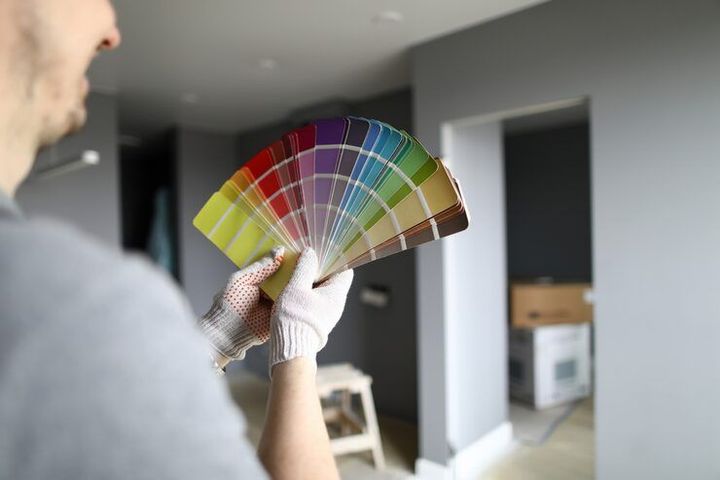
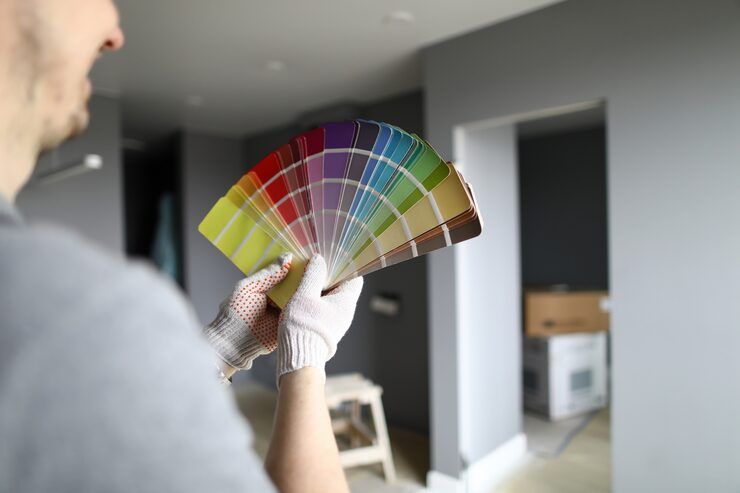
Choosing the Right Color
Color selection influences how a room feels throughout the day.
Light colors often make smaller spaces appear larger and brighter. White, cream, soft gray, and light beige remain popular choices because they complement many decorating styles.
Medium shades introduce warmth and personality without overwhelming a room. Earth tones, muted greens, soft blues, and warm terracotta continue to appear in many modern interiors.
Dark colors create contrast and depth. Deep navy, charcoal, forest green, and rich brown are commonly used on accent walls or in larger rooms with plenty of natural light.
Before painting an entire room, testing a few sample colors helps reveal how lighting changes their appearance during different times of the day.
Preparing Walls Before Painting
Preparation often has a significant impact on the final result.
Start by removing dust, dirt, and grease from the surface. Fill nail holes and small cracks using wall filler, then sand rough areas until smooth.
Old peeling paint should be removed before applying a fresh coat. Any damaged drywall or plaster should be repaired before painting begins.
Taking time to prepare the surface creates a smoother finish and helps paint adhere more effectively.
Why Primer Matters
Primer creates a stable base for paint. It helps improve adhesion, creates more even color, and reduces the visibility of previous wall colors.
Primer is especially useful when:
- Painting over dark colors
- Covering repaired areas
- Working on unfinished drywall
- Painting wood surfaces
- Covering stains
Using primer can also reduce the number of finish coats needed in many situations.
Paint Application Methods
Several tools can be used depending on the project.
Paint Brushes
Brushes provide excellent control around edges, trim, corners, and detailed woodwork.
Paint Rollers
Rollers cover large wall areas quickly while producing a consistent finish. Different roller covers are designed for smooth or textured surfaces.
Paint Sprayers
Paint sprayers apply paint evenly over large areas and are commonly used during major renovation projects. They require careful masking to protect surrounding surfaces.
Room-by-Room Paint Suggestions
Different rooms experience different levels of moisture, activity, and cleaning.
Living Room
Eggshell or matte finishes provide an attractive appearance while remaining reasonably easy to maintain.
Bedroom
Flat or matte finishes create a soft, relaxing atmosphere that works well in sleeping spaces.
Kitchen
Satin finishes are often chosen because they can handle occasional cleaning and exposure to cooking moisture.
Bathroom
Paint with moisture resistance, paired with a satin or semi-gloss finish, performs well in humid environments.
Hallways
Hallways experience frequent contact from people, furniture, and daily movement. Satin finishes are commonly selected because they are easier to clean.
Common Painting Mistakes
Even simple painting projects can produce disappointing results if important steps are skipped.
Some common mistakes include:
- Painting over dirty walls
- Skipping primer when needed
- Applying thick coats instead of thin, even coats
- Not allowing enough drying time
- Using the wrong finish for the room
- Ignoring surface repairs before painting
Avoiding these mistakes helps produce a cleaner, longer-lasting finish.
Caring for Painted Walls
Proper maintenance helps painted walls remain attractive for years.
Dust walls regularly using a soft cloth or microfiber duster. Small marks can often be removed with a damp sponge and mild cleaning solution.
Avoid abrasive scrubbing tools that may damage the paint surface. Promptly cleaning stains usually prevents permanent marks.
If small chips appear, keeping a small amount of leftover paint allows quick touch-ups without repainting an entire wall.
Environmental Considerations
Many modern interior paints contain lower levels of volatile organic compounds (VOCs), which can help reduce indoor air emissions during and after painting.
Opening windows and improving ventilation during painting allows fresh air to circulate while the paint dries. Following the manufacturer's instructions for drying and curing also supports a smoother result.
Final Thoughts
Interior paint is one of the simplest ways to refresh a room while adding protection to walls and other indoor surfaces. Understanding paint types, finishes, color selection, surface preparation, and proper application helps create attractive and durable results.
Whether updating a single accent wall or repainting an entire home, careful planning and attention to detail can make the process more enjoyable and produce a finish that continues to look fresh over time.