Smart Production Scheduling Knowledge Hub: Tools, Resources, and Suggestions

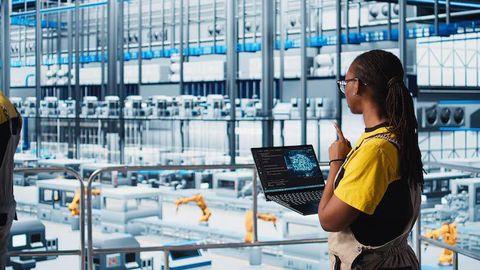
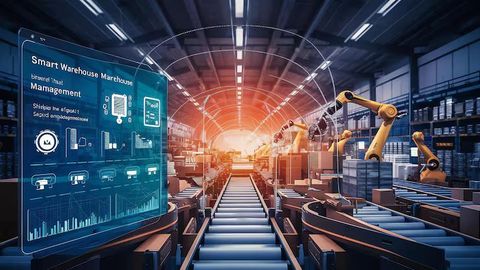
Smart production scheduling refers to the use of digital technologies, automation tools, and data-driven planning methods to organize manufacturing activities more efficiently. Unlike traditional scheduling methods that often rely on spreadsheets or manual coordination, smart scheduling systems use real-time production data, artificial intelligence (AI), Industrial Internet of Things (IIoT) sensors, and predictive analytics to improve workflow planning across factories and supply chains.

In recent years, manufacturers have faced increasing pressure from supply chain disruptions, fluctuating demand, labor shortages, and rising operational costs. These challenges have made production scheduling more complex than before. As a result, many organizations are shifting toward smart manufacturing systems that provide faster decision-making and better production visibility.

Industry research from manufacturing associations and industrial software providers continues to show growing investment in digital factory technologies, especially in sectors such as automotive, electronics, pharmaceuticals, and food processing. Smart production scheduling has become a central part of Industry 4.0 initiatives because it helps factories reduce delays, improve machine utilization, and adapt quickly to unexpected disruptions.

The impact extends beyond efficiency alone. Better scheduling can improve inventory management, energy usage, production quality, and customer delivery timelines while supporting long-term operational resilience.

Who It Affects and What Problems It Solves

Smart production scheduling affects a wide range of industries and operational teams. Manufacturing companies, factory managers, supply chain planners, warehouse operators, maintenance teams, and procurement departments all rely on scheduling systems to coordinate production activities efficiently.

Large enterprises often use advanced scheduling software integrated with enterprise resource planning (ERP) platforms, while small and medium-sized manufacturers increasingly adopt cloud-based scheduling tools to improve production visibility without major infrastructure investments. Industries with high product variability or strict delivery deadlines benefit especially from intelligent scheduling systems.

The adoption of smart scheduling has also increased among industries dealing with customized production models. For example, automotive suppliers managing multiple component variants and electronics manufacturers handling rapid product cycles often require flexible scheduling approaches to remain competitive.

Common Problems Smart Production Scheduling Solves

Operational ChallengeHow Smart Scheduling Helps
Machine downtimePredicts maintenance windows and adjusts schedules automatically
Delayed deliveriesOptimizes workflow sequencing and improves delivery planning
Inventory imbalanceAligns production with material availability
Labor inefficienciesAssigns tasks based on workforce availability and skill sets
Supply chain disruptionsUpdates schedules using real-time supplier and logistics data
Production bottlenecksDetects process slowdowns and reallocates resources
Excess operational costsImproves resource utilization and reduces waste

Traditional scheduling systems often struggle to adapt when unexpected changes occur, such as delayed raw materials or urgent customer orders. Smart scheduling platforms can process updated information in real time, helping managers respond faster and minimize disruptions.

Recent Updates and Industry Trends

The past year has seen rapid advancements in smart manufacturing technologies, particularly in AI-assisted production planning and cloud-based scheduling systems. Many manufacturers are now investing in digital twins, predictive analytics, and edge computing to improve production coordination.

AI-Driven Scheduling Expansion

Artificial intelligence is increasingly used to analyze production data and recommend optimized schedules. AI systems can evaluate thousands of scheduling scenarios within seconds, helping manufacturers reduce idle machine time and improve throughput.

Factories using AI-supported scheduling systems are also improving demand forecasting accuracy by combining production data with supply chain insights and market demand patterns.

Growth of Cloud Manufacturing Platforms

Cloud-based scheduling solutions have become more common because they reduce infrastructure costs and support remote production monitoring. These systems allow multiple facilities and suppliers to access synchronized production data in real time.

Manufacturers operating across multiple regions benefit from centralized visibility and faster communication between production teams.

Integration with IIoT and Smart Sensors

Industrial IoT devices continue to improve scheduling accuracy by providing real-time equipment data. Sensors can monitor machine performance, production speed, temperature, and maintenance conditions, allowing scheduling systems to respond dynamically to operational changes.

Sustainability and Energy Efficiency

Energy-efficient production planning has become a major trend. Smart scheduling tools increasingly help factories reduce energy consumption by optimizing machine operating times and minimizing unnecessary equipment usage during peak energy pricing periods.

Cybersecurity Awareness

As factories adopt more connected technologies, cybersecurity has become an important concern. Manufacturing companies are strengthening network security measures to protect production systems from operational disruptions and data breaches.

Comparison of Traditional vs Smart Production Scheduling

FeatureTraditional SchedulingSmart Production Scheduling
Data ProcessingManual or spreadsheet-basedAutomated and real-time
FlexibilityLimited adaptabilityDynamic schedule adjustments
Production VisibilityPartial visibilityEnd-to-end monitoring
Maintenance PlanningReactive maintenancePredictive maintenance integration
Decision-MakingHuman-dependentData-driven recommendations
IntegrationStandalone systemsERP, MES, and IIoT integration
Downtime ManagementSlower responseFaster disruption handling
ScalabilityDifficult for complex operationsSupports multi-site operations
ReportingManual reportingAutomated analytics dashboards
Resource OptimizationBasic allocationIntelligent resource balancing

Operational Impact Across Manufacturing Areas

Manufacturing AreaImpact of Smart Scheduling
Automotive ManufacturingFaster component coordination
Electronics ProductionImproved high-volume scheduling
Food ProcessingBetter batch and expiry management
PharmaceuticalsEnhanced compliance scheduling
WarehousingBetter inventory synchronization
Packaging OperationsReduced machine idle time
Textile ManufacturingImproved production sequencing

Laws, Policies, and Government Programs

Government regulations and industrial policies increasingly influence how manufacturers adopt smart production scheduling technologies. Different countries promote digital manufacturing through automation incentives, Industry 4.0 programs, and sustainability regulations.

Industry 4.0 and Smart Manufacturing Policies

Several governments have launched industrial modernization initiatives encouraging manufacturers to adopt digital production systems. These programs often support investments in automation, industrial software, robotics, and smart factory technologies.

For example, countries in Europe, Asia, and North America continue expanding Industry 4.0 adoption programs focused on improving manufacturing competitiveness and supply chain resilience.

Data Protection and Cybersecurity Regulations

Manufacturers using cloud-based scheduling platforms must comply with cybersecurity and data protection regulations. Production systems connected through industrial networks may be subject to operational security standards depending on the industry and region.

Organizations handling sensitive production data often implement secure access controls, encrypted communications, and compliance monitoring systems.

Workplace Safety and Labor Regulations

Scheduling systems must also support workplace safety requirements. Manufacturing operations need to ensure labor scheduling complies with working-hour limitations, maintenance safety procedures, and operational compliance standards.

Environmental and Energy Policies

Energy efficiency regulations increasingly encourage manufacturers to optimize production schedules for reduced energy consumption. Some regions provide incentives for factories adopting energy-efficient smart manufacturing technologies.

Practical Guidance for Different Situations

SituationRecommended Scheduling Approach
High product variabilityAI-assisted dynamic scheduling
Multi-factory operationsCloud-based centralized scheduling
Strict compliance industriesIntegrated compliance scheduling tools
Small manufacturersModular SaaS scheduling platforms
Energy-sensitive operationsEnergy-aware production planning
Frequent supply disruptionsReal-time adaptive scheduling

Tools and Resources for Smart Production Scheduling

A variety of digital tools support modern production scheduling and manufacturing planning. The right solution often depends on production scale, operational complexity, and integration requirements.

Common Types of Scheduling Tools

Tool TypeMain Purpose
ERP SystemsEnterprise-wide production planning
MES PlatformsReal-time manufacturing execution
APS SoftwareAdvanced planning and scheduling
IIoT DashboardsEquipment monitoring and analytics
Predictive Maintenance ToolsDowntime prevention
Supply Chain Visibility PlatformsLogistics coordination
Workforce Management SoftwareLabor scheduling optimization

Popular Manufacturing Software Categories

  • Manufacturing Execution Systems (MES)
  • Advanced Planning and Scheduling (APS) software
  • Enterprise Resource Planning (ERP) platforms
  • Industrial IoT monitoring systems
  • Predictive analytics tools
  • Digital twin simulation platforms
  • Cloud manufacturing management systems

Useful Operational Resources

Resource TypeBenefit
Production templatesStandardized scheduling workflows
Capacity planning calculatorsResource utilization analysis
Maintenance tracking systemsReduced unexpected downtime
Inventory planning toolsBetter material coordination
Workflow analytics dashboardsReal-time production visibility

Manufacturers often combine multiple tools to create integrated smart factory ecosystems capable of handling production scheduling, maintenance planning, inventory management, and operational analytics together.

Frequently Asked Questions

What is smart production scheduling?

Smart production scheduling uses digital systems, automation, and real-time data to improve manufacturing planning and production coordination.

How does AI improve production scheduling?

AI analyzes production data, predicts disruptions, and recommends optimized scheduling decisions faster than manual planning methods.

Which industries benefit most from smart scheduling?

Automotive, electronics, pharmaceuticals, food processing, and large-scale manufacturing industries commonly benefit from advanced scheduling systems.

Is smart production scheduling suitable for small manufacturers?

Yes. Many cloud-based scheduling platforms offer scalable solutions designed for small and medium-sized manufacturers.

What is the difference between ERP and APS systems?

ERP systems manage broader business operations, while APS software focuses specifically on optimizing production planning and scheduling activities.

Conclusion

Smart production scheduling has become an important part of modern manufacturing operations. As factories face increasing complexity from supply chain disruptions, rising operational costs, and changing customer expectations, data-driven scheduling systems help improve flexibility, efficiency, and production visibility.

Recent industry trends show continued investment in AI-powered scheduling, cloud manufacturing platforms, IIoT integration, and predictive maintenance technologies. These systems support faster operational decisions, improved resource allocation, and reduced production downtime.

While implementation requirements vary by industry and company size, smart scheduling technologies increasingly provide measurable operational advantages when integrated properly with manufacturing workflows and compliance standards.

For organizations managing complex production environments, smart production scheduling offers a practical approach to improving operational coordination while supporting long-term manufacturing resilience and digital transformation goals.