Gym Equipment Manufacturing Basics: Design, Safety, and Technology Details
Gym equipment manufacturing is the industrial process of designing, engineering, fabricating, assembling, and testing fitness machines and accessories used in commercial gyms, rehabilitation centers, training studios, hotels, schools, and home fitness environments. The sector includes strength-training machines, treadmills, stationary bikes, functional training systems, free weights, resistance bands, and smart connected fitness devices.
The industry has evolved significantly in recent years due to changing consumer behavior, growth in home fitness adoption, and increasing awareness around preventive healthcare and physical wellness. Manufacturers are now integrating digital tracking systems, ergonomic engineering, and connected technologies into traditional exercise equipment. Smart sensors, AI-based workout tracking, and modular gym systems are becoming increasingly common in both commercial and residential markets.
This comparison matters today because gym equipment manufacturing is influenced by global supply chains, steel pricing, sustainability requirements, and stricter safety standards. Countries with strong industrial capabilities are investing heavily in advanced manufacturing and automation to improve production efficiency and durability. At the same time, fitness businesses are demanding equipment that combines reliability, lower maintenance requirements, and digital compatibility.
As the fitness industry continues to expand globally, manufacturers are adapting to trends such as compact equipment design, eco-friendly production methods, and customized training solutions for different user demographics.
Understanding Gym Equipment Manufacturing and the Problems It Solves
Gym equipment manufacturing affects a wide range of industries and users. Commercial fitness centers rely on durable machines that can withstand high-frequency use. Educational institutions require safe and cost-effective training equipment for students and athletes. Rehabilitation clinics use specialized low-impact fitness systems for physical therapy, while home users increasingly seek compact and connected equipment solutions.
The manufacturing ecosystem also impacts suppliers of steel, rubber, electronic sensors, plastics, upholstery materials, and industrial coatings. Logistics companies, maintenance providers, and software developers also participate in the broader value chain.
One major problem this industry solves is accessibility to structured physical training. Professionally manufactured equipment allows users to perform exercises with controlled resistance, improved posture alignment, and measurable performance tracking. Modern gym machines reduce injury risks compared to improvised workout setups.
Another important issue addressed by the sector is workout standardization. Commercial facilities require consistent performance and safety standards across equipment categories. Manufacturing processes help ensure load capacity accuracy, equipment balance, and mechanical reliability.
The industry also supports rehabilitation and preventive healthcare initiatives. Specialized equipment helps individuals recover mobility, improve cardiovascular health, and maintain muscle strength across different age groups. In recent years, manufacturers have also focused on solving space limitations through foldable equipment and multifunctional systems designed for urban living environments.
Common Problems Solved by Gym Equipment Manufacturing
| Problem | Manufacturing Solution |
|---|---|
| Inconsistent workout safety | Engineered structural designs and testing |
| Limited exercise accessibility | Compact and modular equipment systems |
| Poor durability | Industrial-grade steel and corrosion-resistant coatings |
| Lack of workout tracking | Smart sensors and connected applications |
| High maintenance needs | Improved mechanical engineering and component quality |
| Space limitations | Foldable and multifunctional equipment |
Industry Trends and Recent Updates
The gym equipment manufacturing industry has experienced major operational and technological shifts during the past year. Several trends are shaping production strategies and consumer expectations.
Growth of Smart Fitness Equipment
Connected fitness systems continue to expand globally. Manufacturers are integrating touchscreen interfaces, Bluetooth connectivity, heart-rate monitoring, AI-guided workouts, and cloud-based performance tracking into equipment design. Commercial gyms increasingly request machines compatible with mobile fitness applications and wearable devices.
Increased Demand for Home Fitness Equipment
Although commercial gyms remain important buyers, manufacturers continue to develop compact home-use products. Adjustable dumbbells, foldable treadmills, multifunctional benches, and resistance systems have become more common in manufacturing catalogs.
Automation in Production Facilities
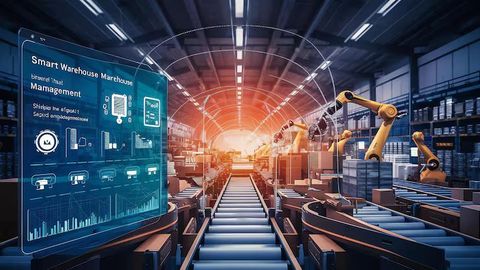
Manufacturers are investing in robotic welding, CNC machining, automated powder coating, and digital quality inspection systems. Automation helps reduce production errors, improve consistency, and optimize labor efficiency.
Example of Manufacturing Automation Impact
| Manufacturing Area | Traditional Process | Modern Automated Process |
|---|---|---|
| Welding | Manual welding | Robotic welding systems |
| Cutting | Mechanical cutting | CNC laser cutting |
| Inspection | Visual inspection | Sensor-based quality control |
| Inventory | Manual tracking | ERP-integrated inventory systems |
| Painting | Conventional paint | Automated powder coating |
Sustainability and Material Efficiency
Environmental concerns are influencing production practices. Manufacturers are exploring recyclable materials, low-emission coating processes, and energy-efficient production systems. Some companies are also redesigning packaging to reduce transportation waste.
Supply Chain Adjustments
Recent fluctuations in steel prices and international logistics disruptions have encouraged manufacturers to diversify suppliers and localize some production operations. Regional sourcing strategies are becoming more common to reduce delays and transportation costs.
Types of Gym Equipment Commonly Manufactured
Gym equipment manufacturing covers multiple product categories with different engineering requirements.
| Equipment Category | Examples | Manufacturing Focus |
|---|---|---|
| Cardiovascular Equipment | Treadmills, bikes, rowers | Motor systems, electronics |
| Strength Machines | Chest press, leg press | Steel fabrication, pulley systems |
| Free Weights | Dumbbells, barbells | Precision casting and coating |
| Functional Training | Racks, rigs, suspension systems | Structural durability |
| Rehabilitation Equipment | Low-impact trainers | Ergonomics and safety |
| Home Fitness Equipment | Foldable machines | Space-saving engineering |
Materials Used in Gym Equipment Manufacturing
The selection of materials directly affects durability, user safety, maintenance needs, and manufacturing costs.
Steel
Steel remains the most widely used material due to its strength and structural stability. Commercial-grade machines often use heavy-gauge steel tubing for higher load capacity.
Aluminum
Aluminum is used in lightweight equipment designs and portable products because of its corrosion resistance and lower weight.
Rubber and Foam
Rubber is commonly used for grips, flooring compatibility, and impact reduction. Foam padding improves user comfort and ergonomic support.
Plastics and Composite Materials
High-strength plastics are used in protective covers, adjustment knobs, and machine housings. Composite materials help reduce weight without compromising performance.
Manufacturing Process Overview
Gym equipment production involves several industrial stages.
Design and Engineering
Engineers use CAD software to create product blueprints, structural calculations, and ergonomic layouts. Prototype testing is often conducted before mass production begins.
Metal Fabrication
Steel tubes and sheets are cut, bent, welded, and assembled into structural frames using CNC machines and robotic systems.
Surface Finishing
Powder coating and anti-corrosion treatments improve durability and visual appearance while protecting equipment from moisture and wear.
Assembly and Electronics Integration
Manufacturers install cables, pulleys, motors, sensors, touchscreens, and resistance systems depending on the equipment type.
Quality Testing
Finished equipment undergoes stress testing, balance testing, and safety inspections to ensure compliance with industry standards.
Regulations, Standards, and Government Policies
Gym equipment manufacturing is affected by industrial regulations, product safety requirements, and international trade policies. Different countries apply varying standards to ensure consumer protection and workplace safety.
Safety Standards
Manufacturers commonly follow international safety frameworks such as ISO standards and EN fitness equipment regulations. These standards address:
- Structural stability
- Load testing
- Mechanical safety
- Electrical safety
- User protection labeling
Commercial fitness centers often prefer equipment certified under recognized testing systems because it simplifies insurance and compliance procedures.
Environmental Regulations
Governments increasingly regulate industrial emissions, waste disposal, and chemical coatings used during production. Powder coating technologies are often preferred because they reduce volatile organic compound emissions compared to traditional paint systems.
Import and Export Policies
Gym equipment manufacturers involved in international trade must comply with customs regulations, tariffs, and product certification requirements. Changes in steel import duties or logistics policies can directly affect manufacturing costs.
Workplace Safety Rules
Factories must comply with labor safety standards related to welding operations, machinery handling, ventilation systems, and industrial noise management.
Practical Guidance for Businesses
| Situation | Recommended Approach |
|---|---|
| Export-focused manufacturing | Prioritize international certification compliance |
| Commercial gym supply | Use high-durability materials and tested safety systems |
| Home equipment production | Focus on compact engineering and user-friendly assembly |
| Sustainable manufacturing goals | Adopt recyclable materials and energy-efficient systems |
Tools and Resources for Gym Equipment Manufacturing
Several digital tools and industrial systems help manufacturers improve productivity and quality management.
Design and Engineering Software
| Tool | Purpose |
|---|---|
| AutoCAD | Equipment design drafting |
| SolidWorks | 3D modeling and simulation |
| Fusion 360 | Product engineering |
| CATIA | Advanced industrial design |
Manufacturing and Operations Tools
| Tool or System | Function |
|---|---|
| CNC Machines | Precision cutting and shaping |
| ERP Software | Inventory and production management |
| Robotic Welding Systems | Automated frame assembly |
| Laser Measurement Systems | Dimensional accuracy testing |
Industry Resources
- Manufacturing associations
- Fitness equipment certification bodies
- Industrial safety organizations
- Trade exhibitions and engineering expos
- Supply chain management platforms
These resources help manufacturers track industry changes, production standards, and emerging technologies.
Frequently Asked Questions
What is gym equipment manufacturing?
Gym equipment manufacturing is the industrial process of producing fitness machines, free weights, rehabilitation systems, and exercise accessories using engineering, fabrication, and assembly technologies.
Why is smart technology important in fitness equipment?
Smart technology allows users to track workouts, monitor performance, connect wearable devices, and access personalized training programs through digital platforms.
What materials are commonly used in gym equipment?
Steel, aluminum, rubber, foam, plastics, and composite materials are commonly used due to their durability, strength, and ergonomic benefits.
How do manufacturers ensure equipment safety?
Manufacturers conduct load testing, stability testing, quality inspections, and certification processes to comply with international safety standards.
What trends are shaping the industry today?
Key trends include connected fitness systems, automated manufacturing, sustainable production methods, compact home equipment, and AI-based workout integration.
Conclusion
Gym equipment manufacturing continues to evolve through technological innovation, automation, and changing fitness behavior worldwide. The industry now extends beyond traditional steel fabrication into smart connectivity, ergonomic engineering, and sustainability-focused production systems.
Recent developments show that manufacturers are prioritizing durable materials, digital integration, and efficient production methods to meet growing demand from both commercial and home fitness sectors. Automation technologies such as robotic welding and CNC machining are improving consistency while reducing operational inefficiencies.
At the same time, safety standards and environmental regulations are becoming increasingly important across international markets. Manufacturers that combine engineering quality, regulatory compliance, and adaptive product design are better positioned to respond to modern fitness industry requirements.
Overall, the sector is moving toward smarter, more efficient, and more accessible fitness equipment production, with innovation and reliability remaining central to long-term industry growth.