Renewable Energy for Factories: Overview, Basics, and Key Facts
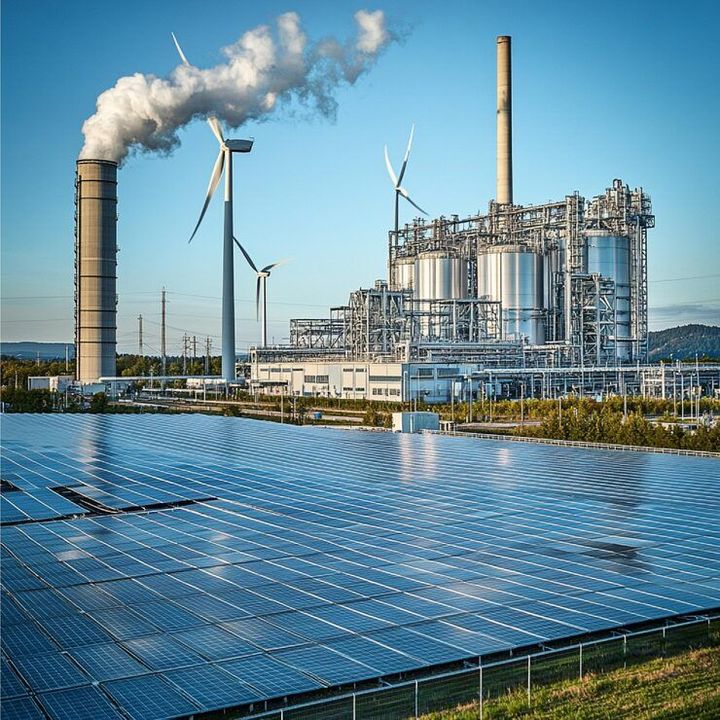
Renewable energy for factories refers to the use of energy generated from naturally replenishing sources such as solar, wind, biomass, hydropower, and geothermal systems to support manufacturing operations. Industrial facilities consume significant amounts of electricity and thermal energy, making energy management a critical component of operational efficiency and long-term competitiveness.
The comparison between conventional fossil-fuel-based energy and renewable energy solutions has become increasingly important in recent years. Rising electricity prices, energy supply disruptions, environmental concerns, and growing sustainability commitments have encouraged manufacturers to explore alternative energy sources. Many factories now evaluate renewable energy not only from an environmental perspective but also as a strategy for improving cost predictability and reducing operational risks.
Global industrial sectors are experiencing a steady transition toward cleaner energy systems. Advances in solar panel efficiency, battery storage technology, smart energy management systems, and government incentive programs have made renewable energy projects more accessible. As industries pursue carbon reduction goals and supply-chain sustainability requirements, renewable energy is becoming a strategic factor that influences production costs, regulatory compliance, and business resilience.
Who It Affects and What Problems It Solves
Renewable energy adoption affects a wide range of stakeholders across the manufacturing ecosystem. Factory owners, production managers, sustainability teams, energy procurement specialists, investors, employees, and customers all have a direct or indirect interest in energy decisions. Industries such as automotive manufacturing, steel processing, food production, chemicals, textiles, electronics, and logistics facilities are among the sectors increasingly evaluating renewable energy options.
Many global supply chains now require suppliers to demonstrate environmental responsibility. Large corporations often include sustainability metrics within procurement standards, encouraging manufacturing partners to reduce greenhouse gas emissions and improve energy efficiency. As a result, renewable energy adoption can influence supplier relationships, market access, and long-term competitiveness.
Problems Renewable Energy Can Help Solve
| Challenge | How Renewable Energy Helps |
|---|---|
| Rising electricity costs | Reduces dependence on grid price fluctuations |
| Energy supply instability | Diversifies energy sources and improves resilience |
| Carbon emissions | Supports emissions reduction targets |
| Regulatory compliance | Helps meet environmental standards |
| Investor expectations | Demonstrates sustainability commitment |
| Corporate ESG goals | Contributes to environmental performance metrics |
| Long-term energy planning | Improves cost predictability |
| Brand reputation | Supports responsible manufacturing initiatives |
Factories often face uncertainty regarding future energy prices. Renewable energy systems, particularly on-site solar installations, can provide a more stable cost structure over time. Additionally, renewable technologies can help reduce dependence on imported fuels and strengthen energy security during periods of market volatility.
Recent Updates and Industry Trends
The renewable energy landscape for factories has evolved rapidly over the past year. Several notable developments continue to influence industrial energy decisions.
Increased Industrial Solar Adoption
Industrial rooftop solar installations remain one of the fastest-growing renewable energy investments worldwide. Declining equipment costs and improved efficiency have made solar energy more attractive for manufacturing facilities with large roof spaces and daytime electricity demand.
Growth of Battery Energy Storage
Battery storage systems are increasingly being paired with renewable energy installations. These systems allow factories to store excess electricity generated during peak production periods and use it later when demand increases or grid prices rise.
Expansion of Corporate Renewable Procurement
Many large manufacturers have expanded renewable energy procurement through power purchase agreements (PPAs). These agreements allow companies to secure renewable electricity from external energy providers while reducing exposure to market price fluctuations.
Smart Factory Energy Management
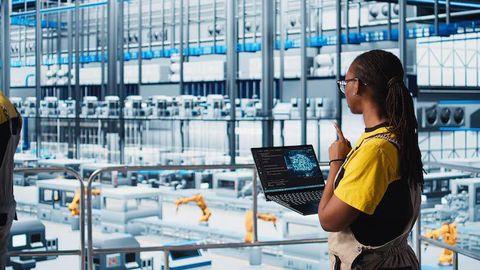
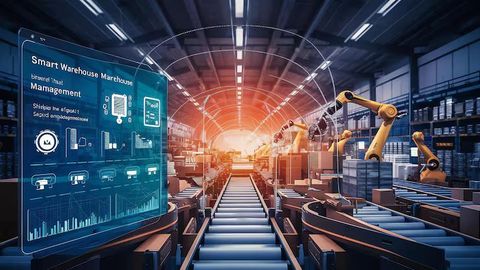
Industrial facilities are integrating renewable energy with digital monitoring systems, artificial intelligence, and predictive analytics. Smart energy management platforms help optimize energy consumption, identify inefficiencies, and maximize renewable energy utilization.
Decarbonization Targets
Governments and multinational corporations continue to establish long-term carbon reduction objectives. These commitments are increasing investment in renewable energy projects, energy efficiency initiatives, and low-carbon manufacturing technologies.
Industrial Energy Transition Trends
| Trend | Industry Impact |
|---|---|
| Solar power expansion | Lower operating costs |
| Battery storage adoption | Improved reliability |
| AI-powered energy management | Better efficiency |
| Corporate PPAs | Long-term energy planning |
| Carbon reporting requirements | Greater transparency |
| Electrification of processes | Reduced fossil fuel dependence |
Renewable Energy Technologies for Factories
Different renewable energy technologies offer varying advantages depending on factory size, location, production requirements, and energy consumption patterns.
| Technology | Best Use Case | Key Advantages | Considerations |
|---|---|---|---|
| Solar PV | Manufacturing plants with roof space | Lower electricity costs | Weather dependent |
| Wind Energy | Facilities in windy regions | Large-scale generation | Site suitability required |
| Biomass Energy | Agricultural and food industries | Utilizes organic waste | Fuel supply management |
| Hydropower | Water-intensive regions | Consistent generation | Geographic limitations |
| Geothermal | Specific geological locations | Stable energy output | High initial investment |
| Battery Storage | Energy management | Improves reliability | Additional capital costs |
Comparison of Energy Characteristics
| Factor | Traditional Energy | Renewable Energy |
|---|---|---|
| Fuel Costs | Variable | Low or none |
| Carbon Emissions | Higher | Lower |
| Price Stability | Often volatile | Generally predictable |
| Sustainability | Limited | Renewable |
| Long-Term Planning | More uncertain | More predictable |
| Regulatory Alignment | Increasing scrutiny | Often favored |
Laws, Regulations, and Government Programs
Renewable energy adoption in factories is significantly influenced by national and regional policies. Governments worldwide have introduced regulations, incentives, and support programs designed to encourage industrial decarbonization.
Common Policy Mechanisms
Renewable Energy Incentives
Many countries provide tax benefits, grants, rebates, or accelerated depreciation programs to support industrial renewable energy investments. These incentives can improve project economics and shorten payback periods.
Carbon Reduction Regulations
Environmental regulations increasingly require industries to monitor and reduce greenhouse gas emissions. Renewable energy adoption can help manufacturers comply with these requirements.
Renewable Energy Certificates
Some jurisdictions allow companies to purchase or generate renewable energy certificates (RECs), which verify electricity production from renewable sources and support sustainability reporting.
Grid Interconnection Policies
Net metering and grid export programs may enable factories to send excess renewable electricity back to the grid, depending on local regulations.
Practical Guidance by Situation
| Situation | Recommended Approach |
|---|---|
| High electricity bills | Evaluate rooftop solar feasibility |
| Sustainability reporting requirements | Consider renewable procurement strategies |
| Frequent power disruptions | Explore solar plus battery storage |
| Long-term expansion plans | Include renewable energy in facility design |
| ESG-focused investors | Establish renewable energy targets |
| Export-oriented manufacturing | Align with customer sustainability expectations |
Before implementing renewable energy projects, factories should review local regulations, utility requirements, environmental standards, and available financial incentives.
Tools and Resources
Several tools and resources can help factories assess renewable energy opportunities and manage implementation projects effectively.
Energy Assessment Tools
- Solar feasibility calculators
- Industrial energy consumption analyzers
- Carbon footprint calculators
- Utility bill benchmarking tools
- Renewable energy project ROI calculators
Energy Management Software
- Energy monitoring platforms
- Smart factory dashboards
- Building energy management systems
- Predictive maintenance solutions
- Industrial IoT energy tracking tools
Helpful Resources
- National renewable energy agencies
- Industrial sustainability organizations
- Energy efficiency advisory programs
- Utility company renewable energy services
- Industry association guidelines
Planning Templates
| Resource Type | Purpose |
|---|---|
| Energy audit template | Assess current energy usage |
| ROI calculator | Estimate financial impact |
| Sustainability roadmap | Plan long-term goals |
| Carbon tracking worksheet | Measure emissions reductions |
| Renewable project checklist | Support implementation planning |
Factories often achieve better outcomes when renewable energy projects are combined with broader energy efficiency initiatives, such as equipment modernization and process optimization.
Frequently Asked Questions
What renewable energy source is most commonly used by factories?
Solar photovoltaic (PV) systems are among the most widely adopted renewable energy solutions because many factories have large roof areas suitable for installation and significant daytime electricity consumption.
Is renewable energy reliable enough for manufacturing operations?
Renewable energy reliability has improved substantially through advances in battery storage, smart energy management systems, and hybrid energy solutions that combine multiple power sources.
Can renewable energy reduce factory operating costs?
Renewable energy can help reduce exposure to fluctuating electricity prices and lower long-term energy expenses, although outcomes depend on local energy rates, project design, and energy consumption patterns.
Do factories need to replace all traditional energy sources?
Not necessarily. Many facilities adopt a hybrid approach that combines renewable energy with grid electricity or other energy sources to maintain operational flexibility.
How do government policies influence renewable energy adoption?
Policies such as tax incentives, grants, renewable energy certificates, emissions regulations, and utility programs can significantly affect project feasibility and return on investment.
Conclusion
Renewable energy is becoming an increasingly important component of modern manufacturing strategy. As industrial facilities face rising energy costs, sustainability expectations, and evolving regulatory requirements, renewable energy solutions offer practical opportunities to improve operational resilience and long-term energy planning.
Solar power, wind energy, biomass systems, battery storage, and advanced energy management technologies are helping factories diversify energy sources and reduce dependence on conventional fuels. Recent industry developments show continued momentum toward industrial decarbonization, supported by technology improvements and government initiatives.
The most effective renewable energy strategy depends on a factory's location, energy profile, regulatory environment, and business objectives. For many manufacturers, a phased approach that combines energy efficiency improvements with renewable energy investments provides a balanced path toward cost management, sustainability goals, and operational stability.