A Complete Guide to Industrial Sealing Systems
Industrial sealing plays a quiet but essential role in modern manufacturing, transportation, energy production, and many other industries. While seals are often small components, they help equipment operate safely and efficiently by preventing unwanted leaks and keeping contaminants away from important parts.
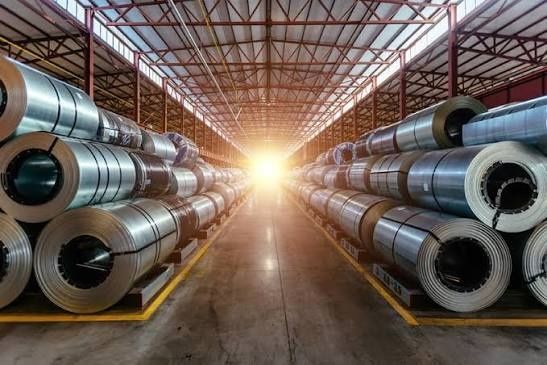
From large processing plants to everyday machinery, sealing technology supports reliable operation in countless environments. Understanding how industrial seals work, where they are used, and why material selection matters can help anyone gain a clearer picture of this important engineering field.
What Is Industrial Sealing?
Industrial sealing refers to the methods and components used to prevent liquids, gases, dust, or other materials from passing between connected surfaces or moving parts. Seals create a controlled barrier that keeps equipment functioning as intended.
Without effective sealing, machinery may experience fluid leakage, contamination, pressure loss, or reduced operating efficiency. These issues can shorten equipment life and increase maintenance needs.
Industrial seals come in many shapes, sizes, and materials because every application presents different operating conditions.
Why Industrial Sealing Is Important
Sealing supports equipment performance in several ways. It helps maintain pressure inside systems, protects internal components from outside contaminants, and keeps lubricants where they are needed.
Effective sealing also contributes to:
- Reducing leakage of fluids and gases
- Protecting equipment from dust and moisture
- Supporting consistent operating conditions
- Helping machinery function efficiently
- Extending component lifespan
- Reducing maintenance frequency
- Supporting environmental protection by limiting unwanted releases
Although seals are often hidden inside equipment, they play an important part in everyday industrial operations.
Common Types of Industrial Seals
Different applications require different sealing solutions. Some seals remain stationary, while others work with moving parts.
Static Seals
Static seals are used between two surfaces that do not move relative to each other. They create a tight barrier when components are assembled.
Examples include:
- Gaskets
- O-rings used in fixed joints
- Flat sealing materials
Static seals are commonly found in pipe flanges, storage tanks, and equipment covers.
Dynamic Seals
Dynamic seals operate where movement occurs. This movement may involve rotation, sliding, or reciprocating motion.
Examples include:
- Shaft seals
- Hydraulic rod seals
- Rotary seals
- Piston seals
These seals help retain lubricants while preventing contaminants from entering moving equipment.
Mechanical Seals
Mechanical seals are widely used in pumps and rotating equipment. Instead of relying on simple contact between components, they use carefully designed sealing faces to reduce leakage around rotating shafts.
Mechanical seals are commonly found in:
- Water pumps
- Chemical processing equipment
- Oil processing systems
- Cooling systems
Gaskets
Gaskets create a seal between two stationary surfaces by filling small gaps created during assembly.
They are commonly used in:
- Pipelines
- Heat exchangers
- Pressure vessels
- Engine assemblies
Gaskets may be manufactured from rubber, graphite, metal, fiber materials, or combinations of these materials.
Materials Used in Industrial Sealing
Material selection depends on operating conditions such as temperature, pressure, chemicals, and movement.
Rubber Materials
Rubber remains one of the most common sealing materials due to its flexibility.
Common rubber materials include:
- Nitrile rubber
- EPDM
- Silicone
- Fluoroelastomers
Each material performs differently depending on environmental conditions.
Metal Seals
Metal seals are suitable for applications involving high temperatures or extreme pressures where softer materials may not perform effectively.
These seals are commonly used in aerospace, energy production, and heavy industrial equipment.
PTFE
PTFE is valued for its low friction and strong resistance to many chemicals. It performs well in applications where smooth movement and chemical compatibility are important.
Graphite
Graphite sealing materials remain stable at elevated temperatures, making them useful in demanding industrial environments.
Industries That Use Industrial Sealing
Industrial sealing supports many sectors across the global economy.
Manufacturing
Production equipment depends on seals to keep hydraulic systems, pneumatic systems, and rotating machinery operating efficiently.
Energy
Power generation facilities use sealing components in turbines, pumps, valves, compressors, and piping systems.
Oil and Gas
Sealing technology helps manage fluids under challenging operating conditions throughout extraction, processing, and transportation equipment.
Food Processing
Seals help maintain clean operating conditions while protecting equipment from contamination. Material selection follows strict industry standards for food-contact environments.
Water Treatment
Water treatment facilities rely on seals in pumps, filtration equipment, valves, and pipelines to maintain reliable operation.
Transportation
Cars, trucks, trains, ships, and aircraft all contain numerous sealing components that support engines, hydraulic systems, fuel systems, and cooling equipment.
Factors That Influence Seal Selection
Choosing the appropriate sealing solution involves evaluating several operating conditions.
Temperature
Some applications involve extremely low or high temperatures. The sealing material must remain stable throughout the expected operating range.
Pressure
High-pressure environments require seals capable of maintaining their sealing performance without excessive deformation.
Chemical Exposure
Different chemicals affect sealing materials differently. Compatibility between the sealing material and surrounding fluids is an important consideration.
Movement
Applications involving rotating shafts or moving pistons require seals designed for continuous motion while minimizing wear.
Environmental Conditions
Dust, moisture, sunlight, and outdoor weather can all influence seal performance over time.
Signs That a Seal May Need Attention
Like many mechanical components, seals gradually wear during normal operation.
Common signs include:
- Visible fluid leakage
- Unusual vibration
- Increased operating noise
- Reduced pressure
- Contamination inside equipment
- Excessive lubricant loss
Routine inspection helps identify these signs before they develop into larger equipment issues.
Maintenance Practices
Proper maintenance supports long-term sealing performance.
Helpful practices include:
- Inspecting seals during scheduled maintenance
- Keeping sealing surfaces clean
- Using compatible lubricants where required
- Replacing worn seals during equipment overhauls
- Following manufacturer recommendations for installation
Correct installation is especially important because even a high-quality seal may not perform properly if it is damaged during assembly.
Recent Developments in Industrial Sealing
Advances in materials science continue to improve sealing technology.
Some current developments include:
- Improved elastomer formulations
- Low-friction sealing materials
- Composite sealing designs
- Advanced manufacturing techniques
- Improved resistance to harsh operating environments
Digital monitoring systems are also helping maintenance teams detect early signs of seal wear before noticeable leakage develops.
Environmental Considerations
Effective industrial sealing contributes to environmental protection by reducing unwanted releases of liquids and gases. Well-maintained seals also help improve equipment efficiency and reduce unnecessary waste.
Many industries continue exploring materials with longer operating life and improved sustainability while maintaining reliable sealing performance.
Conclusion
Industrial sealing is an important part of modern machinery and infrastructure. Although seals are often overlooked because of their small size, they help protect equipment, reduce leakage, support efficient operation, and extend the life of mechanical systems.
Different applications require different sealing materials and designs, making careful selection an important step in equipment design and maintenance. As industries continue advancing, sealing technology also continues to evolve with improved materials, smarter monitoring methods, and designs suited for increasingly demanding environments.
Understanding the basics of industrial sealing provides valuable insight into one of the many components that quietly support reliable operation across manufacturing, transportation, energy production, water treatment, and countless other industrial applications.