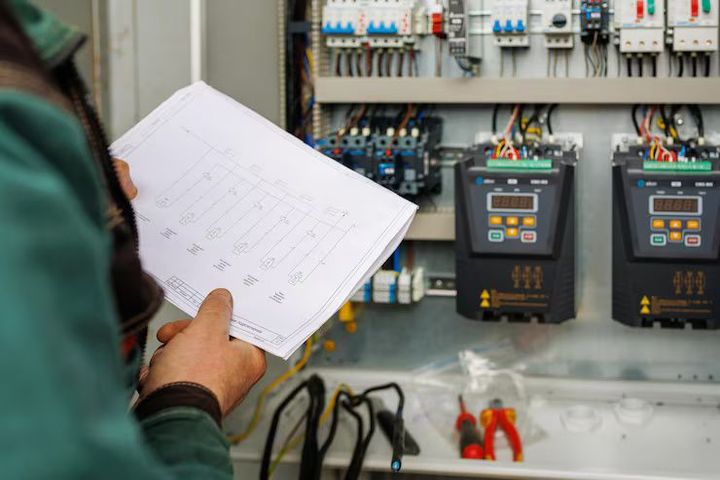
Relay Testing Equipment Guide: Explore Types, Functions, Features, Applications, and Testing Factors
Relay testing equipment is used to check the operation and performance of electrical relays under controlled conditions. A relay is an electrically operated device that can open or close a circuit when specific electrical conditions occur. Relay testing equipment helps technicians examine whether a relay responds correctly to voltage, current, timing, or other input conditions.
Relay testing became important as electrical power systems became more complex. Protective relays are used in substations, generating facilities, industrial plants, transmission networks, and distribution systems to detect abnormal electrical conditions and initiate protective actions. Testing helps verify that these devices operate according to their intended settings.
Modern relay testing equipment can range from compact single-function instruments to computer-controlled systems capable of producing several electrical signals at the same time. Depending on the design, equipment can test overcurrent, undercurrent, overvoltage, undervoltage, frequency, differential, distance, and other relay functions.
What Relay Testing Equipment Does
A relay test set generates controlled electrical inputs and measures the response of the relay being examined. The test equipment may provide current, voltage, phase relationships, frequency, or other signals required for a particular test.
During a test, the technician compares the relay's actual response with its configured operating characteristics. The results can help identify incorrect settings, wiring problems, timing deviations, or other abnormal behavior.
Basic Relay Testing Process
A typical testing process involves several stages:
- Identifying the relay type and its protection function.
- Reviewing the relay settings and applicable test requirements.
- Connecting the test equipment to the appropriate relay terminals.
- Applying controlled electrical signals.
- Recording pickup, dropout, timing, or other responses.
- Comparing measured results with the required operating characteristics.
- Documenting the test results.
The exact procedure depends on the relay design, protection scheme, test equipment, and applicable technical requirements.
Importance
Electrical protection systems are designed to detect abnormal conditions and help isolate affected sections of an electrical network. If a protective relay does not respond as expected, a fault may not be cleared within the intended operating sequence.
Relay testing equipment provides a controlled method for examining relay behavior without depending on naturally occurring electrical faults. This makes it useful during commissioning, periodic maintenance, troubleshooting, and verification after changes to protection settings.
Problems Addressed by Relay Testing
Electrical relays can experience issues related to incorrect settings, wiring errors, component aging, configuration changes, or communication problems. Testing can help identify whether the relay responds at the expected threshold and within the intended time.
Testing is also important after protection-system modifications. Changes to transformers, circuit breakers, control wiring, communication systems, or relay settings may affect the overall protection scheme.
Where Relay Testing Matters
Relay testing is relevant to several areas of electrical infrastructure:
- Power generation facilities
- Transmission substations
- Distribution substations
- Industrial electrical systems
- Renewable energy installations
- Railway electrical systems
- Large commercial power systems
- Motor and transformer protection systems
The testing approach varies according to the voltage level, relay technology, protection function, and overall system design.
Recent Updates
Between 2024 and 2026, relay testing has continued moving toward automated test procedures, software-based configuration, digital substations, and more advanced measurement capabilities. Modern test systems increasingly combine hardware signal generation with software that can create test sequences and record results.
Digital and numerical relays have also changed the nature of testing. Unlike older electromechanical relays, numerical relays can contain multiple protection functions, programmable logic, communication interfaces, event records, and measurement capabilities. Testing therefore may involve both electrical signals and digital configuration.
Automated Testing
Automated testing allows a predefined sequence of test points to be applied without manually changing every parameter. Software can control current, voltage, phase angle, frequency, and timing while recording the relay response.
Automated procedures can also support repeatable testing. A stored test plan may be reused when the same relay type or protection function is examined again.
Digital Substations
The adoption of digital substation technologies has increased attention on communication-based protection and testing. Standards such as IEC 61850 provide communication frameworks for substation automation, including the exchange of protection-related information.
Testing equipment designed for modern protection systems may therefore support both conventional electrical inputs and communication-based testing. The required capabilities depend on the relay and the architecture of the electrical system.
Improved Data Management
Relay testing software increasingly provides structured test records, automated calculations, result comparison, and electronic reporting. This can make it easier to maintain historical information about protection devices and identify changes between test periods.
Some systems can integrate test results with asset-management or maintenance databases. This creates a connection between field testing and broader electrical equipment records.
Laws or Policies
Relay testing is influenced by electrical safety requirements, technical standards, utility procedures, and workplace regulations. The exact requirements depend on the country, type of installation, voltage level, and organization responsible for the electrical system.
In India, electrical installations and workplace activities are governed by applicable electrical safety requirements and technical regulations. The Central Electricity Authority provides regulations covering safety and electric supply, including requirements relevant to electrical installations and protection arrangements.
The Central Electricity Authority's regulations include provisions concerning safety requirements for electrical installations, substations, generating stations, and other parts of electrical systems. Applicable requirements should be reviewed according to the specific installation and activity. (cea.nic.in)
Indian Standards can also provide technical references for electrical equipment and testing practices. The Bureau of Indian Standards maintains standards related to electrical systems, measuring equipment, protection equipment, and testing methods. (bis.gov.in)
Internationally, IEC standards are widely used for protection and measurement equipment. IEC 60255 covers measuring relays and protection equipment, including requirements and testing methods for various categories of protection devices. (iec.ch)
Testing personnel should follow the applicable workplace procedures, equipment manuals, electrical isolation requirements, and technical standards. General information about relay testing equipment does not replace site-specific electrical safety procedures or professional engineering guidance.
Tools and Resources
Several tools and references can support relay testing activities.
Relay Test Software
Specialized software can control relay test equipment, create test sequences, calculate operating characteristics, and generate reports. Some platforms are designed for particular test-set families, while others support broader protection-testing workflows.
Relay Configuration Software
Numerical relays generally use manufacturer-specific configuration software. These programs may provide access to protection settings, logic diagrams, event records, measurements, and communication parameters.
Protection Testing Calculators
Electrical testing calculators can help with relationships involving current, voltage, impedance, phase angle, frequency, and timing. They can be useful for preparing test values, although calculations should be checked against the applicable relay settings and test procedure.
Technical Standards
IEC and national standards provide technical references for relay characteristics, testing methods, measurement accuracy, and protection equipment. Utility companies and electrical organizations may also maintain internal testing procedures.
Test Documentation
A structured relay test record commonly contains:
| Test factor | Information recorded |
|---|---|
| Relay identification | Model, type, and equipment reference |
| Protection function | Overcurrent, differential, distance, or other function |
| Test input | Applied current, voltage, frequency, or phase |
| Pickup value | Measured operating threshold |
| Timing | Measured operating time |
| Test point | Applied value and expected response |
| Actual result | Recorded relay response |
| Status | Pass, adjustment required, or investigation needed |
| Test notes | Observations and relevant conditions |
The format can vary depending on the relay, organization, and testing procedure.
FAQs
What is relay testing equipment?
Relay testing equipment is an instrument or test system used to apply controlled electrical signals to a relay and measure how the relay responds. It can be used to examine operating thresholds, timing, phase relationships, and other protection characteristics.
What are the main types of relay testing equipment?
Common categories include single-phase relay test sets, three-phase relay test systems, multifunction protection test sets, secondary injection test equipment, and systems designed for digital or IEC 61850-based testing.
What functions can relay testing equipment test?
Depending on its capabilities, equipment can test overcurrent, undervoltage, overvoltage, frequency, differential, distance, directional, impedance, and other protection functions. The available functions depend on the test system and relay type.
What factors should be considered when selecting relay testing equipment?
Important factors include the number of current and voltage channels, output capacity, measurement accuracy, timing resolution, supported relay types, software capabilities, communication interfaces, portability, and compatibility with the intended testing procedure.
Why is relay testing important in electrical systems?
Relay testing helps verify that protection devices respond according to their configured characteristics. It can identify incorrect settings, wiring problems, timing deviations, and other issues that may affect protection-system operation.
Conclusion
Relay testing equipment provides controlled electrical inputs for evaluating the response of protective and measuring relays. Its capabilities can range from basic current and voltage testing to automated multifunction testing and digital communication testing. Modern developments increasingly connect relay testing with software automation, digital substations, structured records, and advanced protection systems. Applicable electrical regulations, technical standards, equipment manuals, and workplace safety procedures should guide actual testing activities.