Recycling Water System Guide: Explore Types, Components, Benefits, Uses, and Planning Factors
A recycling water system is a setup that collects used water, treats it, and prepares it for another appropriate use. Instead of allowing water from a process or building activity to leave the system after one use, water recycling can create a cycle in which treated water is used again for applications that match its quality.
Water recycling has developed alongside growing awareness of water conservation, wastewater treatment, and resource management. Early systems often focused on basic filtration and reuse, while modern systems can combine physical separation, biological treatment, membrane filtration, disinfection, storage, and monitoring.
The type of recycling water system required depends on the original water source and its intended second use. Water from a cooling process, industrial operation, building, or municipal wastewater stream can contain very different contaminants and therefore requires different treatment stages.
How Water Recycling Works
A typical recycling process begins when used water is collected in a dedicated system. Larger particles and suspended material may be removed before additional treatment steps reduce organic matter, dissolved substances, microorganisms, or other unwanted components.
After treatment, the recycled water is stored and distributed to its intended application. Common non-potable uses include equipment cooling, toilet flushing, landscape irrigation, cleaning, construction activities, and certain industrial processes.
The treatment level must correspond to the intended use. Water intended for a process with strict quality requirements may require considerably more treatment than water intended for a basic non-potable application.
Main Types of Recycling Water Systems
Several approaches are used depending on the water source and application:
- Greywater recycling systems collect relatively low-contamination wastewater from sources such as showers, wash basins, or laundry.
- Industrial water recycling systems treat process water for repeated use within manufacturing or processing operations.
- Rainwater reuse systems collect rainfall and prepare it for suitable non-potable applications.
- Municipal wastewater reuse systems treat sewage through centralized or decentralized treatment facilities.
- Cooling-water recycling systems recover and condition water used in cooling operations.
- Membrane-based recycling systems use technologies such as ultrafiltration, nanofiltration, or reverse osmosis when greater contaminant removal is required.
Importance
Water recycling matters because freshwater resources are limited and water demand can vary significantly between regions and sectors. Reusing suitable treated water can reduce dependence on fresh sources and help organizations manage water more systematically.
The subject is relevant to households, commercial buildings, manufacturing facilities, agricultural operations, municipalities, and infrastructure projects. The potential value of a recycling system depends on the amount of water available for recovery, its quality, treatment requirements, and the demand for recycled water.
Water Conservation and Resource Management
A recycling system can reduce the amount of fresh water required for applications where drinking-quality water is unnecessary. For example, treated wastewater may be used for toilet flushing, landscaping, construction activities, or industrial processes when the applicable quality requirements are satisfied.
India's Central Pollution Control Board has identified several potential uses for treated wastewater, including irrigation, industrial applications, urban landscaping, construction activities, toilet flushing, dust suppression, and certain transport-related uses.
Industrial Applications
Industries can use substantial volumes of water for cooling, washing, processing, cleaning, and other operations. Recycling can allow some process water to remain within a facility for additional cycles rather than being discharged after a single use.
The appropriate treatment depends on the contaminants involved. Industrial systems may therefore include combinations of screening, clarification, biological treatment, filtration, membrane separation, chemical treatment, and disinfection.
Environmental Considerations
Poorly managed wastewater can introduce pollutants into rivers, lakes, groundwater, and other environmental systems. Treating and reusing water can reduce the volume of wastewater requiring discharge, although recycling systems still produce concentrated residues or treatment by-products that require appropriate management.
The CPCB has promoted reuse and recycling of treated wastewater as part of broader water-quality management approaches. Its guidance discusses treated domestic sewage reuse and the importance of suitable treatment before land application or discharge.
Recent Updates
From 2024 through 2026, water recycling has increasingly been connected with water-use efficiency, urban planning, industrial reuse, and circular resource management. Government programs and technical guidance continue to emphasize treating wastewater as a potential resource rather than viewing it only as waste.
India's National Mission on Sustainable Habitat includes treated-water reuse as an urban sustainability indicator. The mission currently identifies a target of at least 20% treated wastewater reuse in Class-I cities by 2030, showing the continuing policy focus on urban water reuse.
Greater Interest in Treated Wastewater
Municipal authorities and industries are examining ways to use treated wastewater for non-potable purposes. Applications can include landscaping, construction, industrial processes, toilet flushing, and other activities where potable water is not required.
The Ministry of Environment, Forest and Climate Change currently notes that CPCB has developed guidance related to improving water-use efficiency and increasing water reuse, along with information on implemented water-reuse projects.
More Advanced Treatment
Modern recycling systems increasingly combine several treatment technologies rather than relying on a single filtration stage. Membrane systems, ultraviolet disinfection, automated controls, sensors, and online water-quality monitoring can be incorporated when the application requires tighter control.
Digital monitoring can also help operators track parameters such as flow, pressure, turbidity, conductivity, pH, and other indicators. The specific monitoring requirements depend on the source water and intended reuse.
Circular Water Management
The broader trend is toward circular water management, where water is treated as a resource that can potentially be recovered and reused. This approach is particularly relevant in areas facing seasonal water shortages, industrial water demand, or pressure on municipal water infrastructure.
Laws or Policies
In India, water recycling is influenced by environmental legislation, pollution-control requirements, wastewater discharge standards, and local regulations. The Environment (Protection) Act, 1986 provides a central legal framework for environmental protection, while the Ministry of Environment, Forest and Climate Change maintains rules and standards issued under the environmental framework.
The Water (Prevention and Control of Pollution) Act, 1974 is also relevant to the control of water pollution and the discharge of wastewater. Depending on the activity and location, industries and facilities may need approvals or consent from the applicable State Pollution Control Board or Pollution Control Committee.
CPCB guidance also supports recycling and reuse of treated industrial effluents in relevant circumstances. Recent CPCB guidance for water-body restoration includes recycling and reuse of treated industrial effluents among pollution-control measures.
Requirements Depend on the Application
There is no single treatment standard that applies to every recycled-water application. Requirements can differ according to whether water is discharged to an environmental receiving body, reused for irrigation, used in an industrial process, or applied for another purpose.
Facilities should therefore identify the applicable central, state, and local requirements before designing or modifying a recycling system. Technical standards, consent conditions, water-quality requirements, and monitoring obligations may all need to be considered.
Tools and Resources
Several resources can help with planning, evaluating, and monitoring a recycling water system.
Water Balance Calculations
A water balance tracks where water enters a facility, where it is used, how much becomes wastewater, and how much can potentially be recovered. A basic calculation can compare fresh-water demand with the volume available for treatment and reuse.
Important values may include daily water intake, wastewater generation, treatment capacity, storage capacity, recycled-water demand, and losses from evaporation, discharge, or other processes.
Water-Quality Testing
Laboratory testing can identify physical, chemical, and biological characteristics of source water. Depending on the application, parameters may include pH, turbidity, total dissolved solids, suspended solids, organic indicators, nutrients, metals, and microbial indicators.
Testing should be selected according to the intended reuse rather than using the same analysis for every application.
Treatment Equipment
A recycling system may contain several types of equipment:
- Screens or strainers for larger particles
- Equalization tanks for flow balancing
- Clarifiers for suspended solids separation
- Biological treatment units for organic contaminants
- Sand or multimedia filters for particulate removal
- Activated carbon units for selected dissolved compounds
- Membrane systems for finer separation
- Disinfection units for microbial control
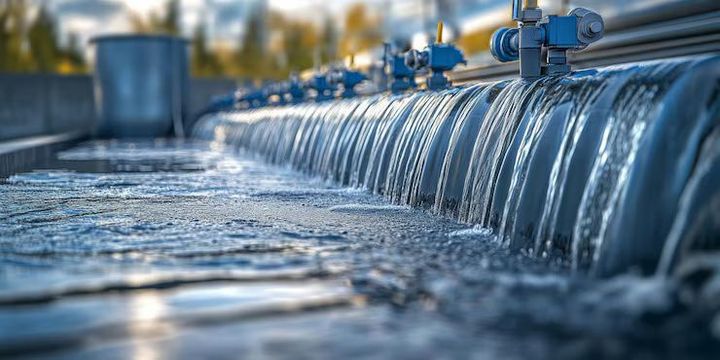
- Storage tanks and pumps for treated water distribution
The actual configuration depends on water quality, flow rate, treatment objectives, space, and applicable requirements.
Planning Data Table
| Planning factor | Information to evaluate |
|---|---|
| Water source | Domestic, industrial, process, or rainwater |
| Daily flow | Average and peak volume |
| Contaminants | Physical, chemical, and biological characteristics |
| Intended reuse | Cooling, flushing, irrigation, processing, or other use |
| Treatment stages | Filtration, biological treatment, membranes, disinfection |
| Storage | Required treated-water storage volume |
| Monitoring | Parameters and testing frequency |
| Residuals | Sludge, concentrate, or other treatment by-products |
| Regulations | Applicable national, state, and local requirements |
Good planning begins by defining the source and intended use before selecting individual treatment components. A system designed around actual water characteristics is easier to evaluate than one based only on a generic treatment sequence.
FAQs
What is a recycling water system?
A recycling water system collects used water, treats it to an appropriate quality, and redirects it for another permitted or suitable use. The treatment process varies according to the original water quality and intended application.
How does a recycling water system work?
A recycling water system commonly collects wastewater, removes solids and contaminants through several treatment stages, disinfects the water when required, and stores the treated water before reuse.
What are the main components of a water recycling system?
Common components include collection tanks, pumps, screens, filters, treatment units, membranes where required, disinfection equipment, storage tanks, monitoring instruments, and distribution piping.
Where is recycled water used?
Recycled water can be used for applications such as industrial processing, equipment cooling, toilet flushing, landscaping, construction, dust suppression, and other non-potable activities when the treated water meets applicable requirements.
What factors should be considered when planning a recycling water system?
Important factors include source-water quality, daily and peak flow, intended reuse, treatment technology, storage, monitoring, residual management, available space, energy requirements, and applicable regulations.
Conclusion
A recycling water system collects, treats, stores, and redirects used water for an appropriate secondary application. System design depends mainly on water quality, flow, intended reuse, treatment requirements, and applicable regulations. Recent developments have placed greater emphasis on treated-water reuse, advanced treatment, monitoring, and circular water management in India. Proper planning requires consideration of both technical conditions and relevant environmental requirements.