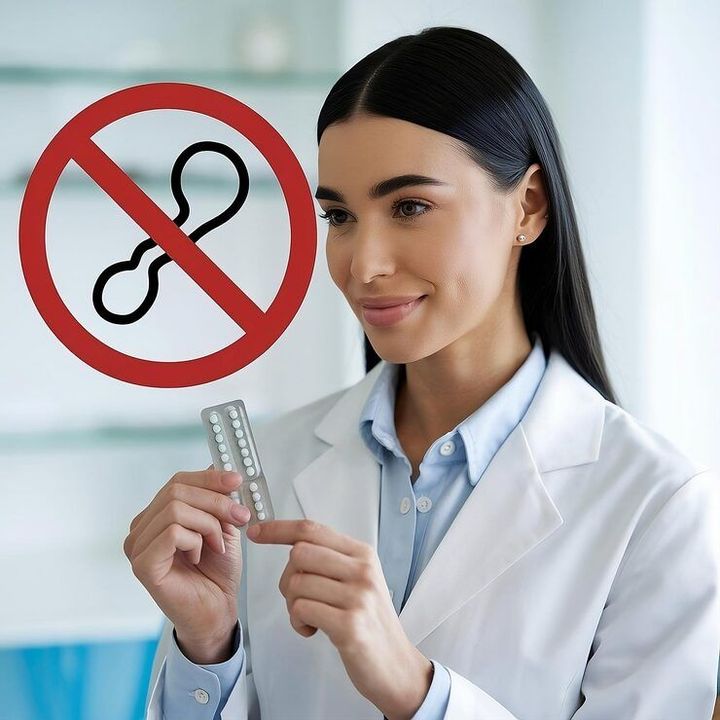
Pre-Exposure Prophylaxis Guide: Basics, Facts, and Prevention Insights
Pre-Exposure Prophylaxis (PrEP) is a preventive medical approach designed to reduce the risk of acquiring Human Immunodeficiency Virus (HIV). It involves the use of prescription medication by individuals who are HIV-negative but may face higher exposure risk through sexual activity, shared injection equipment, or other transmission pathways. When taken consistently and under medical supervision, PrEP has been shown in clinical studies to significantly lower the risk of HIV infection.
The importance of PrEP has increased in recent years as public health systems around the world focus more heavily on HIV prevention rather than only treatment after diagnosis. According to global health organizations such as the World Health Organization and Centers for Disease Control and Prevention, preventive strategies are now central to reducing long-term HIV transmission rates.
Recent developments have also changed how PrEP is delivered and monitored. Long-acting injectable options, telehealth consultations, and digital adherence tools are becoming more common. These trends are improving access for many populations while also creating new discussions about affordability, privacy, healthcare policy, and equitable distribution of preventive healthcare services.
Who It Affects and What Problems It Solves
PrEP primarily affects people who may face an increased likelihood of HIV exposure. This includes individuals with HIV-positive partners, people with multiple sexual partners, healthcare workers exposed to occupational risks, and individuals who inject drugs using shared equipment. However, healthcare professionals increasingly emphasize that PrEP is not limited to any single demographic group. Risk exposure can vary based on social, behavioral, economic, and geographic factors.
Public health experts also note that PrEP can play an important role in reducing fear and uncertainty surrounding HIV transmission. In many communities, HIV prevention remains closely tied to stigma, misinformation, and unequal healthcare access. By offering a preventive option, healthcare systems may improve early testing participation and encourage broader sexual health awareness.
Problems PrEP Helps Solve
| Problem | How PrEP Helps |
|---|---|
| HIV transmission risk | Reduces the likelihood of HIV infection when taken correctly |
| Limited preventive options | Adds a proactive prevention strategy alongside condoms and testing |
| Delayed HIV diagnosis | Encourages regular health checkups and screenings |
| Public health burden | May help reduce long-term healthcare costs related to HIV treatment |
| Fear and stigma | Supports informed discussions around prevention and sexual health |
| High-risk exposure situations | Provides additional protection for people in vulnerable circumstances |
PrEP is not a cure for HIV and does not prevent other sexually transmitted infections (STIs). Because of this, healthcare providers usually recommend combining PrEP with regular testing, safer sex practices, and routine medical follow-ups.
Recent Updates and Trends
Over the past year, PrEP-related healthcare developments have continued to evolve globally. One major trend is the increased adoption of long-acting injectable PrEP medications. Unlike daily oral tablets, injectable options may require administration every few months, potentially improving adherence among patients who struggle with daily medication schedules.
Another important development is the expansion of telemedicine services for HIV prevention. Many healthcare providers now offer online consultations, digital prescription renewals, and remote follow-up systems. This has improved accessibility in regions where specialist clinics are limited.
Emerging Trends in PrEP
| Trend | Impact |
|---|---|
| Long-acting injectable PrEP | Improves convenience for some patients |
| Telehealth-based monitoring | Expands healthcare access |
| Increased public awareness campaigns | Encourages HIV testing and prevention discussions |
| Government-funded prevention programs | Improves affordability in some regions |
| Integration with digital health apps | Supports medication reminders and follow-ups |
Several countries have also expanded insurance coverage and public health funding for HIV prevention services. In some regions, community organizations now work alongside hospitals to improve education and outreach efforts.
Research institutions continue studying additional PrEP formulations, including implants and alternative dosing schedules. These developments may shape future prevention strategies and healthcare guidelines over the next decade.
Comparison of Common PrEP Approaches
| Feature | Daily Oral PrEP | Long-Acting Injectable PrEP |
|---|---|---|
| Administration | Daily tablet | Injection every few months |
| Monitoring Needs | Regular follow-up visits | Scheduled clinical injections |
| Accessibility | Widely available in many regions | Limited availability in some countries |
| Adherence Challenges | Requires daily consistency | May improve adherence for some users |
| Healthcare Costs | Varies by insurance and country | Often higher initial costs |
| Privacy Considerations | Medication storage at home | Clinic-based administration |
| Research History | Longer-established data | Newer long-term studies ongoing |
Estimated Factors Influencing PrEP Adoption
| Factor | Influence Level |
|---|---|
| Healthcare access | High |
| Awareness and education | High |
| Cost and insurance support | High |
| Social stigma | Moderate to high |
| Government policy support | Moderate |
| Digital healthcare services | Growing influence |
The comparison between daily oral and injectable PrEP options depends on individual healthcare needs, medical advice, accessibility, and patient preference. Medical supervision remains essential regardless of the chosen prevention method.
Laws, Policies, and Government Programs
PrEP availability and regulation differ significantly between countries. In many healthcare systems, HIV prevention medications require a prescription and medical monitoring. Governments and public health agencies often regulate who can prescribe PrEP, testing requirements, and insurance coverage policies.
In the United States, PrEP-related preventive services are influenced by recommendations from agencies such as the U.S. Preventive Services Task Force. Some insurance providers are required to cover preventive HIV services without additional patient cost-sharing under certain healthcare policies.
In countries with public healthcare systems, PrEP may be partially or fully subsidized through national HIV prevention programs. However, access can still vary between urban and rural areas. Some developing regions continue facing challenges related to medication affordability, healthcare infrastructure, and awareness campaigns.
Practical Guidance Based on Situations
| Situation | Practical Guidance |
|---|---|
| High-risk exposure | Consult a licensed healthcare provider for eligibility assessment |
| Limited healthcare access | Explore telemedicine or public health clinic options |
| Concern about medication cost | Check government health schemes or insurance coverage |
| Frequent travel | Discuss medication continuity and prescription refill planning |
| Privacy concerns | Review confidential healthcare and telehealth services |
| Existing medical conditions | Seek full medical evaluation before starting PrEP |
Healthcare guidelines generally recommend routine HIV testing, kidney function monitoring, and periodic medical reviews for individuals using PrEP. Policies may also differ regarding age restrictions, consent requirements, and public funding support.
Tools and Resources
Several tools and services support PrEP awareness, medication management, and healthcare access. These resources may help individuals better understand prevention strategies and maintain treatment consistency.
Helpful Tools and Services
| Tool or Resource | Purpose |
|---|---|
| HIV risk assessment tools | Help users evaluate potential exposure risk |
| Medication reminder apps | Support adherence to daily schedules |
| Telehealth consultation platforms | Provide remote access to healthcare professionals |
| Public health clinic directories | Help locate testing and prevention centers |
| Government healthcare portals | Offer information on eligibility and financial support |
| Educational awareness websites | Share evidence-based HIV prevention information |
Commonly Used Health Resources
Many healthcare providers also recommend combining digital reminders, routine testing schedules, and healthcare counseling to improve long-term prevention outcomes.
Frequently Asked Questions
What is Pre-Exposure Prophylaxis (PrEP)?
PrEP is a preventive medication strategy used by HIV-negative individuals to reduce the risk of HIV infection under medical supervision.
How effective is PrEP?
Clinical research indicates that consistent PrEP use can significantly reduce HIV transmission risk. Effectiveness depends heavily on adherence and proper medical guidance.
Does PrEP prevent all sexually transmitted infections?
No. PrEP is specifically designed to reduce HIV risk and does not prevent other STIs. Additional protective measures may still be recommended.
Is PrEP available through government healthcare programs?
Availability depends on the country and healthcare system. Some governments provide subsidized or partially covered HIV prevention programs.
Do people using PrEP need regular medical checkups?
Yes. Regular HIV testing, kidney monitoring, and healthcare consultations are typically recommended during PrEP use.
Conclusion
Pre-Exposure Prophylaxis has become one of the most important modern HIV prevention strategies in global healthcare. Its growing adoption reflects broader public health efforts focused on prevention, education, and early intervention rather than treatment alone. Clinical studies and public health programs continue showing that consistent PrEP use can significantly lower HIV transmission risk when combined with medical supervision and routine testing.
Recent trends such as injectable PrEP, telemedicine integration, and expanded government prevention programs are reshaping how preventive healthcare services are delivered. However, challenges related to affordability, awareness, healthcare access, and stigma still affect adoption in many regions.
For individuals at increased risk of HIV exposure, discussing PrEP with a qualified healthcare provider may help determine whether it is an appropriate preventive option. The most effective approach typically combines medical guidance, regular testing, and broader sexual health education.