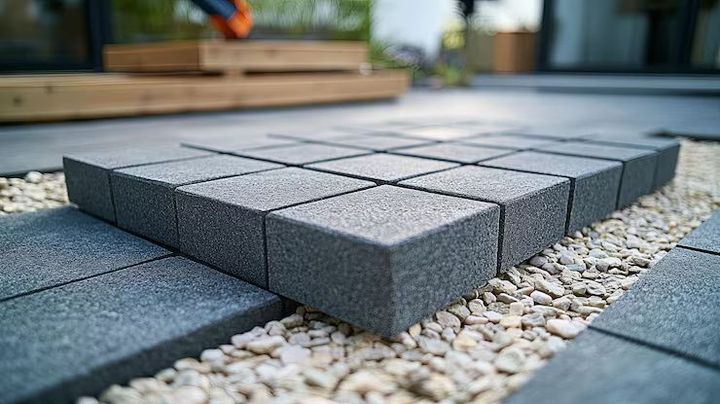
Pavers Guide: Explore Types, Materials, Designs, Applications, and Planning Factors
Pavers are individual units used to create surfaces for driveways, walkways, patios, courtyards, roads, parking areas, and other outdoor spaces. Unlike poured concrete surfaces, which are generally installed as a continuous slab, pavers are placed as separate units over a prepared base. This construction method allows individual sections to be replaced or adjusted when necessary.
Pavers have been used in various forms for centuries. Early paving systems relied on naturally available stone, while modern construction uses materials such as concrete, clay brick, natural stone, and manufactured composites. Improvements in production technology have expanded the range of shapes, sizes, textures, colors, and surface patterns available.
The basic structure of a paved surface normally includes the paver units, joint material, bedding layer, base layer, and prepared subgrade. Each layer contributes to load distribution, drainage, stability, and long-term surface performance.
How Pavers Are Made
The manufacturing process depends on the material. Concrete pavers are commonly produced by combining cementitious materials, aggregates, water, and other permitted ingredients before forming the mixture under controlled conditions. Clay pavers are shaped from suitable clay and hardened through firing.
Natural stone pavers are cut and processed from stone extracted from geological formations. Their characteristics can therefore vary according to the type of stone, source, processing method, and surface treatment.
Common Paver Shapes
Pavers can have simple or complex geometries. Rectangular and square units are widely used, while interlocking designs can include curved, zigzag, hexagonal, and specially shaped profiles.
The shape affects how units fit together and how loads are transferred across the paved area. Pattern selection also influences the visual appearance and the amount of cutting required around edges, corners, drains, and other fixed features.
Importance
Pavers are important in construction and landscape planning because they can create durable walking and vehicle surfaces while providing flexibility in layout and appearance. They are used in residential, commercial, institutional, industrial, and public environments.
For homeowners and property managers, paving decisions can affect drainage, accessibility, maintenance, appearance, and the usability of outdoor areas. For larger developments, pavement design also needs to account for traffic loads, soil conditions, climate, drainage, and expected use.
Where Pavers Are Used
Common applications include:
- Residential driveways
- Footpaths and walkways
- Patios and outdoor seating areas
- Garden paths
- Courtyards
- Pool surrounds
- Parking areas
- Commercial plazas
- Pedestrian zones
- Low-speed roads
- Industrial yards
- Public landscaping
The appropriate material depends on the expected loads and environmental conditions. A pedestrian walkway, for example, generally has different structural requirements from an area exposed to frequent heavy vehicles.
Benefits of Modular Construction
Individual pavers can provide flexibility because the surface consists of separate units rather than one continuous layer. If a localized section becomes damaged or needs to be removed for underground access, the affected units can potentially be lifted and reinstated.
The joints between units can also influence water movement. Depending on the paving system, joint and base design can support drainage through or across the surface. Permeable paving systems are specifically designed to allow water to pass through designated joints or porous materials into underlying layers.
Planning Factors
Several factors should be considered before selecting a paver system:
- Intended use and traffic level
- Soil and subgrade condition
- Drainage requirements
- Local climate
- Paver material
- Unit thickness and dimensions
- Surface texture
- Jointing material
- Base and bedding design
- Edge restraint
- Accessibility requirements
- Maintenance requirements
- Overall site layout
Planning these factors together is important because the appearance of a paving surface alone does not determine whether the pavement is appropriate for its intended use.
Recent Updates
From 2024 through 2026, paving development has increasingly focused on water management, resource efficiency, automated manufacturing, and improved pavement design. These developments are connected with broader construction trends involving stormwater management, environmental planning, and efficient use of construction materials.
Permeable or porous paving systems have received continued attention because conventional impervious surfaces can contribute to increased stormwater runoff. Properly designed permeable pavement can allow rainfall to enter through joints or porous units and move into a specially prepared underlying structure.
Permeable Paving
Permeable interlocking concrete pavement is designed differently from conventional paving. Wider joints filled with appropriate aggregate and a carefully designed base allow water to infiltrate through the surface.
The effectiveness of such a system depends on site conditions, soil permeability, rainfall characteristics, base construction, maintenance, and the intended loading. It should therefore be designed as a complete drainage system rather than treated simply as a different paver pattern.
Manufacturing Developments
Paver manufacturing continues to incorporate automated batching, molding, curing, quality monitoring, and material handling. Automation can help manufacturers maintain more consistent dimensions and production processes.
Digital design tools are also increasingly used in construction planning. Computer-aided drawings and site-planning software can help calculate layouts, estimate quantities, identify cutting requirements, and coordinate paving patterns with drainage and landscaping features.
Resource Efficiency
Construction materials and resource efficiency remain important considerations. Manufacturers and designers are examining recycled aggregates, optimized material usage, permeable systems, and production methods that can reduce unnecessary material consumption.
The environmental performance of a paving system depends on its entire life cycle, including raw materials, manufacturing, transportation, installation, maintenance, drainage behavior, and eventual replacement or reuse.
Laws or Policies
Paving projects in India can be affected by building regulations, local development rules, road standards, stormwater requirements, accessibility provisions, and environmental regulations. The applicable requirements depend on the location and type of project.
For public roads and transportation infrastructure, the Ministry of Road Transport and Highways publishes technical specifications and standards concerning road construction and related infrastructure. These documents provide technical guidance for highway and road-development projects.
The Bureau of Indian Standards also publishes standards relevant to concrete, construction materials, building works, and pavement-related products. Applicable standards depend on the particular material and construction method.
Local authorities may impose additional requirements for setbacks, drainage, site development, road access, parking areas, and public pathways. Large commercial or infrastructure projects may therefore require compliance with several levels of regulation.
Accessibility Considerations
Walkways and public spaces may need to account for accessibility, including suitable surface conditions, gradients, pathway widths, and transitions between different surfaces. The exact requirements depend on the applicable building and accessibility regulations.
Pavers used in pedestrian areas should provide a reasonably stable walking surface. Uneven settlement, excessive gaps, damaged units, or abrupt level changes can create hazards for pedestrians and mobility-device users.
Tools and Resources
Several resources can help with paver planning and design.
Paver Quantity Calculators
Paver calculators can estimate the number of units required from the area dimensions and selected paver size. Calculations should account for the actual layout, edge cuts, joints, and additional material requirements specified by the project plan.
A basic area calculation is:
Paved area = Length × Width
For irregular areas, the surface can be divided into smaller geometric sections and calculated separately before combining the results.
Layout and Design Software
Computer-aided design and landscape-planning platforms can help create paving layouts, test patterns, calculate areas, and coordinate paving with walls, landscaping, drainage structures, and buildings.
For complex projects, digital drawings can also help identify locations where pavers need to be cut or where different materials meet.
Construction Standards
Government and standards organizations provide technical references for construction materials and infrastructure. In India, the Bureau of Indian Standards and relevant government departments are useful starting points for identifying applicable standards.
Basic Planning Checklist
A preliminary planning review can include:
- Measure the total paved area.
- Identify pedestrian and vehicle traffic.
- Examine soil and existing surface conditions.
- Determine drainage requirements.
- Select an appropriate paver material.
- Establish the desired pattern and dimensions.
- Plan edge restraints.
- Determine joint and bedding materials.
- Check accessibility requirements.
- Review applicable local regulations.
FAQs
What are pavers used for?
Pavers are used to create surfaces such as driveways, walkways, patios, courtyards, parking areas, pedestrian spaces, and some roads. The appropriate paver type depends on traffic, climate, soil, drainage, and intended use.
What are the main types of pavers?
Common types include concrete pavers, clay brick pavers, natural stone pavers, permeable pavers, and specialty manufactured units. Each type has different material characteristics, dimensions, textures, and installation requirements.
Which materials are used to make pavers?
Pavers can be manufactured from concrete and clay or produced from natural materials such as granite, sandstone, limestone, and other suitable stone. Some systems also incorporate recycled or specially engineered materials.
How are pavers different from poured concrete?
Pavers consist of individual units installed over prepared layers, while poured concrete is normally installed as a continuous slab. The two systems have different construction methods, joint arrangements, maintenance considerations, and structural requirements.
What factors should be considered when planning a paver installation?
Important planning factors include the intended load, soil condition, drainage, climate, paver material, thickness, surface pattern, jointing system, edge restraints, accessibility, and local construction requirements.
Conclusion
Pavers are modular construction units used for pedestrian, residential, commercial, landscaping, and selected transportation applications. Their materials, shapes, thicknesses, patterns, and installation systems vary according to the intended environment and loading conditions. Recent developments have placed greater attention on permeable paving, digital planning, automated production, and resource-efficient construction. Proper planning considers the entire pavement system, including the pavers, joints, bedding layer, base, subgrade, drainage, and applicable regulations.