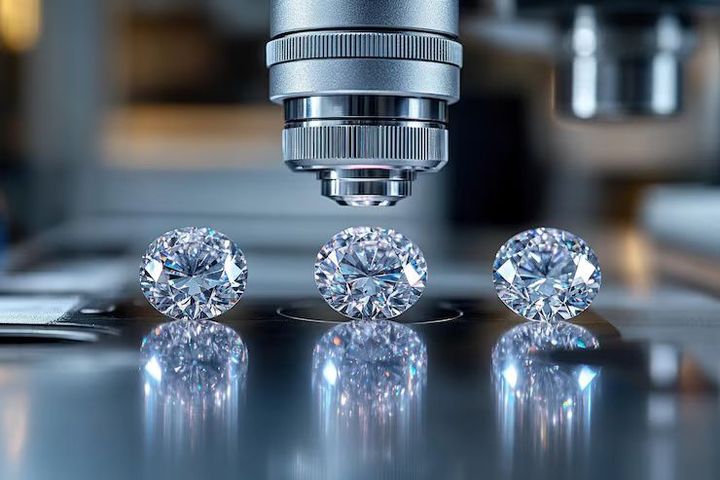
Lab Diamonds Guide: Explore Types, Quality, Shapes, Certification, and Selection Factors
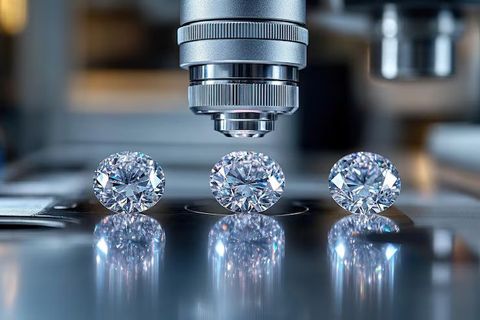
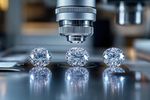
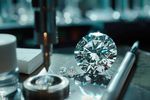
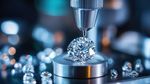
Lab diamonds, also called laboratory-grown diamonds or lab-grown diamonds, are diamonds created in controlled laboratory environments rather than formed naturally beneath the Earth's surface. They have the same basic chemical composition and crystal structure as natural diamonds, although their origin and growth patterns differ.
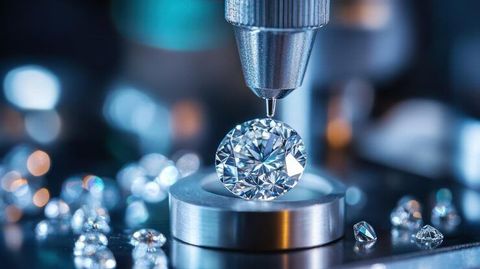
The development of advanced diamond-growing technology has expanded the availability of lab diamonds for jewellery and other applications. Modern production primarily uses two methods: High Pressure High Temperature (HPHT) and Chemical Vapor Deposition (CVD). Both methods create diamond crystals under carefully controlled conditions.
A Lab Diamonds Guide can help readers understand the differences between production methods, diamond quality, shapes, certification, and other selection factors. While lab diamonds and natural diamonds share many physical characteristics, each individual diamond can vary in cut, colour, clarity, carat weight, and overall appearance.
Main Types of Lab Diamonds
The two primary types are based on their growth methods:
- HPHT diamonds: Created using high pressure and high temperatures to support diamond crystal growth.
- CVD diamonds: Created by depositing carbon atoms onto a diamond seed within a controlled chamber.
A grading report may identify the laboratory-grown origin of a diamond and, in some cases, provide information about its growth method or treatments.
Importance
Understanding lab diamonds has become increasingly important as they become more widely available in the jewellery market. Consumers may encounter many choices involving diamond shapes, quality grades, certification reports, and manufacturing methods.
The appearance of a diamond is not determined by one characteristic alone. Two diamonds with the same carat weight can look different because of their proportions, cut, shape, colour, and clarity.
Understanding the 4Cs
The quality of diamonds is commonly assessed using four major characteristics known as the 4Cs: cut, colour, clarity, and carat weight. These factors provide a standardized framework for examining diamond characteristics.
| Quality Factor | What It Describes | Why It Matters |
|---|---|---|
| Cut | How the diamond is shaped and faceted | Influences light performance |
| Colour | The presence or absence of colour | Affects visual appearance |
| Clarity | Internal and external characteristics | Influences transparency and appearance |
| Carat | Diamond weight | Relates to physical size and weight |
Cut
Cut refers to how a diamond has been fashioned and faceted. It affects how light interacts with the stone and can influence brightness, fire, and scintillation.
Round brilliant diamonds often receive specific cut grades from gemological laboratories. Other shapes may be assessed differently because their facet structures and proportions vary.
Colour
Diamonds are commonly graded on a colour scale ranging from D through Z. Diamonds closer to the beginning of this scale generally show less visible colour, while those farther along the scale may display increasingly noticeable yellow or brown tones.
Clarity
Clarity describes internal characteristics, called inclusions, and external characteristics, known as blemishes. Diamond clarity is commonly examined under standardized magnification.
A clarity grade does not always describe how a diamond appears to the unaided eye. The size, location, and nature of individual characteristics can also influence its visual appearance.
Carat Weight
Carat measures the weight of a diamond rather than its visible dimensions alone. One carat equals 0.2 grams. Diamonds with the same carat weight may have different measurements depending on their shape and proportions.
Recent Updates
Increased Use of Digital Certification
From 2024 through 2026, digital access to diamond grading reports has become increasingly important. Some gemological organizations provide online systems that allow report information to be verified using a unique report number.
Digital records can help users compare the documented characteristics of individual lab diamonds. However, a grading report should be understood as a record of gemological characteristics rather than a prediction of future value.
Greater Attention to Diamond Shapes
Interest in different diamond shapes has continued to expand. Round, oval, pear, cushion, emerald, princess, and marquise shapes remain among the commonly discussed options.
Shape can influence a diamond's visible size, light pattern, and overall appearance. Elongated shapes such as oval and pear can create a different visual effect from symmetrical shapes such as round and cushion.
Growing Focus on Transparency
Current discussions surrounding lab diamonds increasingly focus on clear disclosure of origin, treatments, quality grades, and certification. Gemological laboratories use specialized technology to distinguish laboratory-grown diamonds from natural diamonds and simulants.
Diamond Shapes and Their Characteristics
Round Brilliant
Round diamonds have a circular outline and are designed with a faceting pattern intended to produce strong light performance. Their standardized proportions also make quality comparisons relatively straightforward.
Oval
Oval diamonds have an elongated shape that can create the appearance of greater surface area. Some oval diamonds may display a darker area across the centre, commonly called a bow-tie effect.
Cushion
Cushion-shaped diamonds generally combine a square or rectangular outline with rounded corners. Their appearance can vary significantly depending on the facet pattern and proportions.
Emerald
Emerald-cut diamonds use long, parallel facets that create a distinctive pattern of light and reflection. Because of this structure, internal characteristics can sometimes be easier to observe.
Pear
Pear-shaped diamonds combine a rounded end with a pointed tip. The pointed area may require appropriate protection within the jewellery setting.
Princess and Marquise
Princess diamonds usually have a square shape with pointed corners, while marquise diamonds have a long, narrow outline with pointed ends. Both shapes have distinct visual characteristics and setting considerations.
Certification
Diamond certification is an important part of understanding the documented characteristics of a lab diamond. A gemological laboratory examines the stone and produces a grading report based on its observations.
The report can include information such as:
- Laboratory-grown origin
- Carat weight
- Shape and cutting style
- Measurements
- Colour grade
- Clarity grade
- Cut grade, where applicable
- Polish and symmetry
- Treatments or additional observations
The International Gemological Institute (IGI) is one organization that provides laboratory-grown diamond reports. Its reports document characteristics of lab-grown diamonds and can include information about the 4Cs and other gemological details.
Understanding a Diamond Report
A report number may be associated with a specific diamond and, in some cases, inscribed on the diamond's girdle. This allows the stone and its documented report information to be compared.
Certification does not mean that every diamond with a particular grade will look identical. Individual proportions, inclusions, light performance, and other physical characteristics can create visible differences.
Selection Factors
Shape and Personal Preference
Shape is often one of the first factors considered because it has a major influence on appearance. Different shapes can create different visual effects even when their carat weights are identical.
Visual Measurements
Carat weight alone does not explain how large a diamond appears. Measurements in millimetres can provide additional information about its visible dimensions.
Quality Balance
The 4Cs should generally be considered together rather than individually. A diamond with higher carat weight may have different visual characteristics from a smaller diamond with different cut, colour, or clarity grades.
Certification Information
Reviewing a laboratory report can provide a standardized record of the diamond's characteristics. The report should correspond to the specific diamond being examined.
Jewellery Setting
The setting can influence both appearance and practical durability. Prong, bezel, and other setting styles may interact differently with various diamond shapes.
Laws or Policies
Diamond disclosure requirements vary between countries and jurisdictions. Consumer protection rules may require businesses to accurately describe whether a diamond is natural, laboratory-grown, treated, or a simulant.
In India, businesses involved in jewellery may also need to follow applicable consumer protection, product disclosure, taxation, and trade regulations. Requirements can vary depending on the type of jewellery and the nature of the transaction.
International diamond terminology has also evolved to encourage clear distinctions between natural diamonds, laboratory-grown diamonds, and diamond simulants. Accurate descriptions are important because these materials have different origins and characteristics.
Because regulations can change, specific legal or commercial requirements should be checked through relevant government and regulatory sources.
Tools and Resources
Diamond Certification Databases
Gemological organizations may provide online report-verification tools. These databases can help users review the information associated with a particular grading report.
Diamond Comparison Tables
Comparison tables can help organize information about several diamonds. Useful details include shape, carat weight, measurements, colour, clarity, and certification information.
Size Charts
Diamond size charts show approximate millimetre dimensions for different shapes and carat weights. They can help explain why two diamonds with identical weights may appear different in size.
Jewellery Inspection Tools
Jewellery professionals may use magnification tools and specialized equipment to examine diamond characteristics. Gemological laboratories use more advanced analytical methods when determining a diamond's origin.
FAQs
What is a lab diamond?
A lab diamond is a real diamond created in a controlled laboratory environment. It has the fundamental chemical and physical characteristics associated with diamonds, while its origin differs from that of a naturally formed diamond.
What are the main types of lab diamonds?
The two main production methods are HPHT and CVD. These processes use different technological approaches to grow diamond crystals.
How is lab diamond quality measured?
Lab diamond quality is commonly assessed using the 4Cs: cut, colour, clarity, and carat weight. Additional information, such as measurements, polish, symmetry, and treatments, may also appear in a grading report.
Which lab diamond shapes are available?
Common lab diamond shapes include round, oval, cushion, emerald, pear, princess, and marquise. Each shape has different proportions, facet patterns, and visual characteristics.
Why is lab diamond certification important?
Lab diamond certification provides documented information about a diamond's origin and measured characteristics. A report can help users understand and compare details such as carat weight, colour, clarity, and cut.
Conclusion
Lab diamonds are created through controlled technological processes and can be evaluated using many of the same quality characteristics used for other diamonds. Understanding the 4Cs, diamond shapes, growth methods, and certification reports can provide a clearer picture of an individual stone. Selection factors such as visible measurements, proportions, clarity characteristics, and jewellery settings can also influence overall appearance. As the market continues to develop, accurate disclosure and standardized grading information remain important parts of understanding lab diamonds.