LPG Filling Plants Guide: Explore Types, Components, Processes, Safety, and Planning Factors
LPG filling plants are industrial facilities designed to receive, store, transfer, and fill liquefied petroleum gas (LPG) into approved cylinders or other suitable containers. LPG generally consists mainly of propane, butane, or a mixture of these gases. Because LPG is stored as a liquid under pressure and becomes a gas when released, filling plants require controlled equipment and carefully managed operating procedures.
The development of LPG filling plants is connected with the wider use of LPG for cooking, heating, industrial processes, transport, and other applications. As LPG distribution expanded, dedicated facilities became necessary to handle cylinders systematically rather than relying on small-scale manual operations.
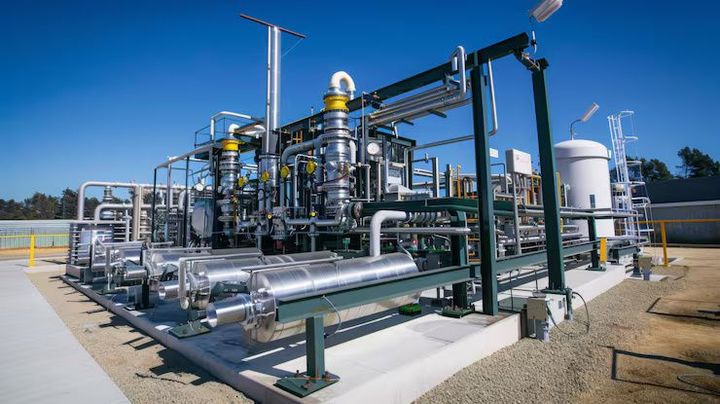
A typical LPG filling plant combines storage vessels, pumps or compressors, filling equipment, weighing systems, pipelines, safety devices, electrical systems, and inspection areas. The exact configuration depends on plant capacity, cylinder type, local regulations, and the intended distribution system.
How LPG Filling Plants Work
The basic process involves receiving LPG, storing it in pressure vessels, transferring it to the filling system, and placing a controlled quantity into an approved cylinder. Before filling, cylinders may be inspected for physical condition, valve condition, and other requirements.
After filling, the cylinder may undergo weight verification, leak checking, valve or seal inspection, and other quality-control procedures before entering the distribution process. Empty or returned cylinders are generally handled through separate inspection and preparation stages.
Main Types of LPG Filling Plants
LPG filling facilities can differ according to their operating arrangement and scale.
- Cylinder filling plants are designed primarily for filling portable LPG cylinders.
- Bulk LPG facilities handle larger quantities for industrial, commercial, or distribution purposes.
- Automated filling plants use mechanical or electronic systems to control filling operations.
- Semi-automatic plants combine machine-controlled filling with operator involvement.
- Carousel filling systems use a rotating platform containing multiple filling positions.
- Compact filling facilities use a smaller arrangement of storage, filling, and handling equipment where permitted by local requirements.
Each arrangement has different requirements for storage capacity, cylinder movement, equipment layout, personnel, and safety controls.
Importance
LPG filling plants are important because LPG is widely used in residential, commercial, agricultural, and industrial activities. A filling facility provides the infrastructure needed to transfer LPG from bulk storage into containers that can be transported and used at different locations.
The handling of LPG also presents particular risks because the substance is highly flammable and is stored under pressure. A damaged container, leaking valve, ignition source, or unsuitable operating procedure can create a serious hazard.
Safety and Operational Challenges
Several challenges must be managed within an LPG filling plant:
- Preventing LPG leakage during storage and transfer
- Controlling potential ignition sources
- Maintaining pressure within approved operating limits
- Preventing cylinder overfilling
- Inspecting cylinders before filling
- Managing static electricity and electrical equipment
- Maintaining emergency shutdown systems
- Controlling vehicle and personnel movement
- Detecting gas leaks quickly
- Maintaining adequate ventilation
These controls are interconnected. For example, leak detection is more effective when combined with appropriate ventilation, emergency isolation, ignition-source control, and trained operating procedures.
Role of Cylinder Inspection
Cylinder condition is an important part of the filling process. Cylinders can experience physical damage, corrosion, valve problems, or other conditions during repeated handling and transportation.
Inspection procedures can identify cylinders that require further examination before they return to normal filling operations. Applicable inspection intervals, testing requirements, and rejection criteria depend on the cylinder design and relevant national standards.
Recent Updates
From 2024 through 2026, LPG infrastructure has continued to develop alongside broader changes in energy distribution, industrial automation, safety monitoring, and environmental management. The general direction has been toward greater process control, improved monitoring, and increased use of automated handling systems.
Automation can reduce repetitive manual movement within filling operations. Electronic weighing systems, programmable controls, conveyor systems, cylinder identification systems, and automated filling equipment can help operators monitor process conditions and manage larger numbers of cylinders.
Digital Monitoring
Modern plants may incorporate electronic monitoring for tank pressure, temperature, filling weights, equipment status, and emergency conditions. Data from these systems can support operational records and help identify abnormal conditions.
Gas detection systems are also an important part of LPG facility safety. Detectors can monitor selected areas for the presence of LPG vapors and can be connected to alarms or shutdown systems where appropriate.
Energy and Environmental Considerations
Energy use is another consideration in plant planning. Pumps, compressors, conveyors, lighting, ventilation systems, and other equipment contribute to electricity consumption.
Plant operators may therefore consider equipment efficiency, process automation, electrical load management, and maintenance planning when designing or upgrading facilities. Environmental management can also include procedures for preventing releases, handling damaged equipment, and managing waste generated during maintenance.
Because LPG facilities involve hazardous materials, technological changes should be evaluated against applicable safety regulations rather than adopted solely because they are newer.
Laws or Policies
In India, LPG storage and handling are governed by several regulatory frameworks. The Petroleum and Explosives Safety Organisation (PESO) is a central authority involved in regulating safety aspects associated with petroleum, explosives, compressed gases, and related hazardous materials.
The Static and Mobile Pressure Vessels (Unfired) Rules, 2016 contain requirements relevant to pressure vessels used for storing and handling compressed gases and liquefied gases. LPG storage installations can therefore require compliance with applicable provisions relating to design, location, inspection, and operation.
The Gas Cylinders Rules, 2016 provide requirements concerning cylinders used for compressed gases, including provisions covering manufacture, filling, possession, transportation, testing, and related safety matters. The precise requirements depend on the cylinder and gas involved.
The Petroleum Rules, 2002 also contain provisions concerning petroleum products and related installations. The applicability of a particular rule depends on the materials, quantities, equipment, and activities involved.
The Oil Industry Safety Directorate (OISD) publishes safety standards and guidelines relevant to petroleum and hydrocarbon installations. These documents can provide technical references for areas such as LPG handling, storage, fire protection, and operational safety.
Local authorities may also impose requirements involving land use, fire protection, building arrangements, environmental matters, electrical installations, and emergency planning.
Key Regulatory Areas
An LPG filling plant may need to address requirements relating to:
- Site selection and layout
- Storage vessel approval
- Cylinder testing and inspection
- Fire protection
- Electrical safety
- Hazardous-area equipment
- Emergency shutdown systems
- Gas detection
- Pressure relief systems
- Transportation and vehicle movement
- Worker training and emergency procedures
Regulatory requirements can change and may differ according to plant design and location. Any actual plant project should therefore be assessed against the current requirements of the relevant authorities and technical standards.
Tools and Resources
Several technical resources can help readers understand LPG filling plants and their operating requirements.
PESO Resources
PESO provides regulatory information and application-related resources concerning petroleum, explosives, and compressed gases. Its materials can help identify applicable licensing and safety requirements for regulated installations.
OISD Standards
OISD publications provide technical safety references for the petroleum and hydrocarbon sector. Documents relating to LPG installations can be useful when examining facility layout, fire protection, operating procedures, and safety management.
Process Flow Diagrams
A process flow diagram can show the movement of LPG through major stages of a plant. A simplified arrangement may include:
Receiving → Storage → Transfer → Filling → Weight Verification → Leak Inspection → Dispatch
A detailed engineering diagram would include valves, pipelines, pumps, compressors, pressure-relief devices, instruments, emergency isolation points, and other equipment.
Planning Checklist
A general planning review can consider the following areas:
| Planning factor | Main consideration |
|---|---|
| Site | Land use, access, separation distances, and surroundings |
| Storage | Vessel capacity, pressure rating, and protection |
| Filling | Filling equipment and weight control |
| Cylinders | Inspection, testing, handling, and movement |
| Fire safety | Detection, extinguishing, water systems, and emergency access |
| Electrical | Suitable equipment and hazardous-area requirements |
| Ventilation | Prevention of LPG accumulation |
| Emergency systems | Shutdown, alarms, evacuation, and response procedures |
| Operations | Personnel, procedures, training, and supervision |
| Maintenance | Inspection schedules and equipment condition |
This checklist is a general educational framework rather than an engineering specification.
FAQs
What is an LPG filling plant?
An LPG filling plant is a facility where LPG is received, stored, transferred, and filled into approved cylinders or containers under controlled conditions. It contains equipment for storage, filling, weighing, inspection, and safety management.
What are the main components of an LPG filling plant?
Typical LPG filling plant components include storage vessels, transfer pumps or compressors, filling machines, weighing systems, pipelines, valves, pressure-relief devices, gas detectors, emergency shutdown systems, fire-protection equipment, and cylinder handling systems.
How does an LPG filling plant work?
LPG is received and stored in approved pressure vessels. It is then transferred to the filling area, where controlled quantities are introduced into suitable cylinders, followed by weight verification, inspection, leak checking, and other applicable quality and safety procedures.
What safety systems are used in LPG filling plants?
Common safety systems include gas detection, emergency shutdown, pressure-relief devices, fire protection, controlled electrical installations, grounding and bonding arrangements, ventilation, restricted ignition sources, and emergency response procedures.
What should be considered when planning an LPG filling plant?
Important planning factors include site conditions, storage capacity, plant layout, cylinder handling, filling technology, fire protection, hazardous-area requirements, emergency access, regulatory approvals, environmental considerations, personnel training, and maintenance procedures.
Conclusion
LPG filling plants combine storage, transfer, filling, inspection, and safety systems to handle LPG under controlled conditions. Their design varies according to plant capacity, cylinder requirements, automation level, site conditions, and applicable regulations. Recent developments have increased the use of digital monitoring and automated handling while maintaining a strong focus on leak prevention and emergency control. In India, regulatory frameworks administered by authorities such as PESO, together with applicable technical standards, are important considerations for LPG facility planning and operation.