Lock Forming Machines Guide: Explore Types, Components, Applications, Features, and Selection Factors
A lock forming machine is a sheet metal fabrication machine used to create interlocking edges, seams, and profiles in metal sheets. These formed edges are commonly used when joining sheet-metal sections in applications such as ventilation ducts, roofing systems, air-handling equipment, and other fabricated structures.
The term “lock forming” comes from the way sheet-metal edges are shaped so that two sections can mechanically connect. Instead of relying only on fasteners or welding, a properly formed seam can hold components together through folded and interlocked metal edges.
Traditional sheet-metal workers produced these profiles with hand tools, hammers, stakes, and manually operated forming equipment. As production requirements increased, powered lock forming machines were developed to create repeatable profiles more efficiently.
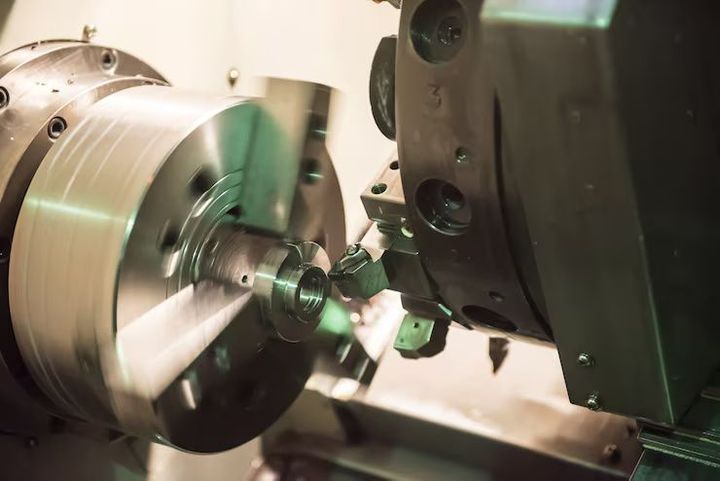
Modern machines generally use a series of forming rollers. The sheet passes through successive stations, with each roller gradually changing the edge into the required profile. The gradual forming process helps reduce sudden deformation and allows different seam shapes to be produced according to the machine configuration.
What Lock Forming Machines Do
A lock forming machine shapes the edges of sheet metal into predefined profiles. These profiles can then be used to connect adjacent sheets or attach components to one another.
Depending on the machine, operations may include Pittsburgh lock forming, button punching, wiring, flanging, beading, and other edge-forming processes. Some machines are designed for a single operation, while combination machines can perform several forming functions.
Common Materials
Lock forming machines are commonly associated with thin and medium-gauge sheet metals. Materials may include galvanized steel, stainless steel, aluminum, and other metals that are suitable for roll forming.
The appropriate material thickness depends on the machine's specifications. Excessively thick, hard, or unsuitable material can produce poor profiles or place excessive loads on the forming mechanism.
Importance
Lock forming machines matter because sheet-metal assemblies often require consistent edges for joining panels and sections. An incorrectly shaped edge can make assembly difficult, create gaps, or affect the overall alignment of the finished structure.
These machines are particularly relevant to industries that manufacture ventilation ductwork, roofing components, HVAC equipment, architectural sheet-metal products, and fabricated enclosures.
Applications of Lock Forming Machines
Common applications include:
- HVAC and ventilation duct manufacturing
- Sheet-metal duct connections
- Roofing and flashing components
- Air-handling equipment
- Industrial enclosures
- Metal cabinets and panels
- Architectural sheet-metal fabrication
- General sheet-metal joining
In duct manufacturing, lock-forming equipment can produce seams that connect individual duct sections. The precise profile depends on the duct design, material, dimensions, and joining method.
Why Consistent Forming Matters
A lock seam needs to match the intended dimensions and shape. Variations in the formed edge can make downstream assembly more difficult and may affect the appearance or fit of the finished component.
Machine-based forming can provide repeatable movement through a defined series of rollers. However, the final result still depends on factors such as material properties, machine setup, roller condition, sheet alignment, and operator control.
Manual and Automated Processes
Manual sheet-metal fabrication can involve considerable operator involvement in measuring, positioning, forming, and checking components. Powered lock forming equipment reduces some of this physical work by using motor-driven rollers.
More advanced production systems can combine forming machines with automated material handling, programmable controls, and other fabrication equipment. The degree of automation depends on production requirements and machine design.
Recent Updates
From 2024 through 2026, developments in sheet-metal fabrication have continued to emphasize automation, digital controls, compact equipment, and integration with broader manufacturing processes.
Modern lock forming machines increasingly use electronic controls for motor operation, direction control, and other machine functions. Some systems incorporate variable-speed drives, allowing operators to adjust forming speed according to the material and process.
Automation is also becoming more relevant where lock forming is part of a larger duct or sheet-metal production line. Material cutting, forming, punching, folding, and handling can be connected into a coordinated workflow.
Digital Controls
Digital control systems can simplify machine operation by providing switches, control panels, displays, or programmable functions. Depending on the machine, these controls may regulate forming speed, rotation direction, or production settings.
The presence of electronic controls does not eliminate the need for mechanical adjustment. Roller alignment, tooling selection, sheet positioning, and machine inspection remain important parts of the process.
Combination Machines
Another continuing trend is the use of combination equipment. Instead of requiring separate machines for every edge-forming operation, some machines integrate multiple functions into one unit.
Combination designs can be useful in workshops where floor space and production flexibility are important considerations. However, the available operations and compatible material ranges vary between machine models.
Energy and Workplace Considerations
Manufacturers are also paying greater attention to machine efficiency, noise, guarding, ergonomics, and operator safety. These considerations are part of the broader movement toward safer and more organized sheet-metal production environments.
Laws or Policies
In India, workplaces using lock forming machines are subject to applicable occupational safety and factory requirements. The Factories Act, 1948 contains provisions relating to fencing and safeguarding of machinery, precautions around machinery in motion, and other workplace safety matters. (labour.gov.in)
The Occupational Safety, Health and Working Conditions Code, 2020 provides a broader framework for occupational safety, health, and working conditions. Government resources also provide information concerning the Code and associated rules. (labour.gov.in)
For machinery used in a factory, applicable requirements can depend on the workplace, equipment, manufacturing activity, and state-level implementation. Operators may also need appropriate training, machine guarding, protective equipment, and workplace procedures.
The Bureau of Indian Standards maintains standards relating to machinery safety, electrical equipment, metalworking machinery, and other industrial equipment. BIS explains that some standards are voluntary unless a government notification, Quality Control Order, or other applicable regulation makes a particular requirement mandatory. (bis.gov.in)
Businesses should therefore check the requirements applicable to their particular equipment and location rather than assuming that one general rule applies to every lock forming machine.
Tools and Resources
Several resources can help users understand, operate, and evaluate lock forming machines.
Machine Manuals
The manufacturer's machine manual is an important technical reference. It normally contains information about machine controls, roller arrangements, compatible sheet thicknesses, lubrication requirements, maintenance procedures, and operating precautions.
Sheet-Metal Gauges
A sheet-metal gauge or thickness measurement tool can help identify the thickness of the material being processed. Confirming material thickness is important because forming equipment generally has a defined working range.
Measuring Tools
Common fabrication tools include steel rules, vernier calipers, measuring tapes, squares, and other dimensional instruments. These tools can be used to check sheet dimensions and formed profiles.
Technical Standards
BIS resources can help users identify relevant Indian Standards. The BIS “Know Your Standard” platform provides a way to search standards by number or keyword and access associated information. (bis.gov.in)
International standards organizations and technical publications can also provide information on sheet-metal fabrication, machinery safety, dimensions, and manufacturing terminology.
Selection Checklist
When evaluating a lock forming machine, several factors should be considered:
| Selection factor | What to examine |
|---|---|
| Material | Steel, stainless steel, aluminum, or other compatible metal |
| Sheet thickness | Minimum and maximum supported thickness |
| Forming operations | Lock, flange, bead, punch, wire, or combination functions |
| Machine speed | Appropriate forming speed for the intended process |
| Roller configuration | Available profiles and adjustment options |
| Motor system | Power rating and control arrangement |
| Machine dimensions | Available workspace and installation area |
| Safety features | Guards, emergency controls, and operating protections |
| Maintenance | Access to rollers, drives, lubrication points, and components |
| Production needs | Expected volume and required process consistency |
The most suitable configuration depends on the specific workpiece and manufacturing process rather than on a single machine specification.
FAQs
What is a lock forming machine?
A lock forming machine is equipment that shapes sheet-metal edges into profiles used to create interlocking seams and connections. It generally uses forming rollers to gradually bend the material into the required shape.
What are the main types of lock forming machines?
Common types include Pittsburgh lock forming machines, combination lock formers, machines with integrated punching functions, and equipment designed for wiring, beading, or flange forming. The available configurations differ by machine design.
What are the main components of a lock forming machine?
Typical components include a motor, drive system, forming rollers, shafts, frame, sheet guides, controls, guards, and adjustment mechanisms. Combination machines may contain additional tooling for punching or other forming operations.
Where are lock forming machines used?
They are widely associated with sheet-metal fabrication, especially HVAC ductwork, ventilation systems, roofing components, air-handling equipment, enclosures, and architectural metalwork.
What factors should be considered when selecting a lock forming machine?
Important factors include material type, sheet thickness, required lock profile, forming operations, production requirements, machine dimensions, motor configuration, roller arrangement, safety features, and maintenance requirements.
Conclusion
Lock forming machines shape sheet-metal edges into controlled profiles used for interlocking seams and fabricated connections. Their applications include HVAC ductwork, ventilation systems, roofing components, enclosures, and other sheet-metal products. Machine types and configurations vary according to forming operations, material range, automation level, and production requirements. In India, applicable workplace safety rules and relevant technical standards should be considered alongside the machine's operating specifications.