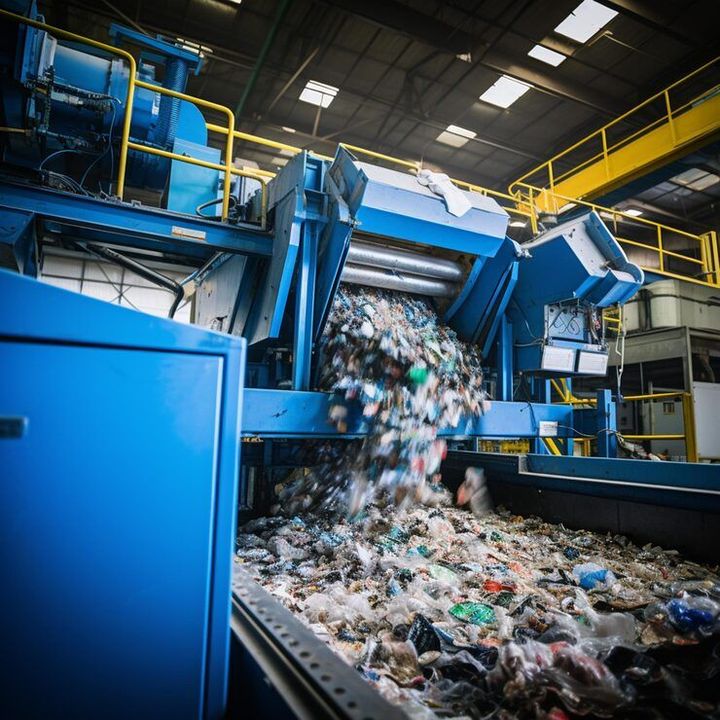
In recent years, industrial shredders have gained greater importance due to increasing global focus on waste reduction, circular economy practices, and stricter environmental regulations. Governments and manufacturers are prioritizing material recovery and sustainable disposal methods, which has accelerated investments in shredding and recycling infrastructure. Industries handling high-volume waste streams are also adopting automated shredding systems to improve operational efficiency and reduce landfill dependency.
The growing use of electric vehicles, lithium-ion batteries, packaging materials, and electronic products has further expanded demand for specialized shredding technologies. At the same time, advances in automation, sensor integration, and energy-efficient motors are reshaping how industrial shredders operate in modern facilities. These developments make understanding industrial shredders increasingly relevant for manufacturers, recyclers, and waste-processing organizations.
Industrial Shredders and the Problems They Solve
Industrial shredders affect a broad range of industries and operational environments. Recycling companies rely on shredders to process plastics, scrap metal, cardboard, and electronic waste before sorting and recovery. Manufacturing plants use shredders to reduce production scrap and defective materials. Municipal waste facilities use them to minimize waste volume and improve transportation efficiency. Even sectors such as pharmaceuticals, food processing, and data destruction utilize specialized shredders for secure and compliant disposal.
Without shredding systems, many industries face higher waste management costs, inefficient material handling, and reduced recycling efficiency. Large materials occupy significant storage space and are difficult to transport or process. Industrial shredders help reduce material volume, improve downstream processing, and prepare waste for recycling or energy recovery systems.
Common Problems Industrial Shredders Solve
| Problem | How Industrial Shredders Help |
|---|
| Excessive waste volume | Reduce material size for compact storage and transport |
| Recycling inefficiency | Prepare materials for sorting and recovery |
| Data or product destruction | Secure destruction of sensitive materials |
| Landfill dependency | Improve recyclable material recovery |
| Production scrap accumulation | Enable continuous material processing |
| Hazardous material handling | Assist controlled waste reduction processes |
| High disposal costs | Lower transportation and landfill expenses |
Industrial shredders also contribute to operational safety by reducing manual handling of bulky waste materials. In automated facilities, shredders are increasingly integrated with conveyor systems, AI-based sorting systems, and monitoring platforms that improve process visibility and throughput.
Industrial Shredder Types and Operational Characteristics
Industrial shredders are designed for different material streams and throughput requirements. Selecting the correct shredder depends on material hardness, moisture content, output size, contamination levels, and production capacity.
| Shredder Type | Common Applications | Key Characteristics |
|---|
| Single-Shaft Shredder | Plastics, wood, paper | Controlled particle size, slower speed |
| Dual-Shaft Shredder | Tires, metals, e-waste | High torque, handles bulky materials |
| Quad-Shaft Shredder | Secure destruction | Uniform output size, high precision |
| Hammermill Shredder | Metal recycling | High-speed impact reduction |
| Granulator | Plastic processing | Fine particle reduction |
| Mobile Shredder | Construction waste | Portable operations |
Material Compatibility Overview
| Material Type | Recommended Shredder |
|---|
| Plastic drums | Single or dual shaft |
| Scrap metal | Hammermill or dual shaft |
| Tires | Dual shaft |
| Cardboard and paper | Single shaft |
| Electronic waste | Quad shaft |
| Biomass and wood | Single shaft |
Modern industrial shredders often include programmable controls, overload protection systems, and automated reverse functions that reduce equipment downtime and improve reliability.
Recent Updates and Industry Trends
Over the past year, industrial shredding technology has continued evolving due to environmental regulations, automation demand, and material recovery initiatives.
Growth of Recycling Infrastructure
Many countries are increasing investments in recycling infrastructure to meet sustainability targets. This has increased demand for shredders capable of processing mixed waste streams, especially plastics and electronic waste. The rise in packaging waste and battery recycling facilities has also created new operational requirements for shredding equipment.
Smart Monitoring and Predictive Maintenance
Industrial shredders are increasingly integrated with IoT sensors and predictive maintenance systems. These technologies monitor vibration, temperature, motor load, and blade wear in real time. Operators can identify maintenance needs before equipment failure occurs, reducing downtime and operational interruptions.
Battery Recycling Expansion
The growth of electric vehicles has increased demand for lithium-ion battery recycling systems. Specialized shredders designed for battery disassembly and controlled processing are becoming more common in recycling operations. Safety systems for fire prevention and thermal management are also receiving greater attention.
Energy Efficiency Improvements
Manufacturers are focusing on reducing energy consumption through variable-frequency drives, optimized blade geometry, and energy-efficient motors. Energy efficiency is becoming a major factor in procurement decisions due to rising electricity costs and sustainability goals.
Automation and Robotics Integration
Automated feeding systems, robotic sorting equipment, and AI-assisted material recognition technologies are increasingly integrated with shredding lines. These systems improve throughput and reduce labor-intensive handling tasks.
Comparative Overview of Industrial Shredder Features
| Feature | Basic Industrial Shredders | Advanced Industrial Shredders |
|---|
| Automation Level | Manual controls | Automated PLC systems |
| Maintenance Monitoring | Scheduled inspections | Predictive maintenance sensors |
| Material Flexibility | Limited | Multi-material compatibility |
| Energy Efficiency | Standard motors | Variable-speed drives |
| Safety Systems | Basic overload protection | Advanced monitoring and shutdown |
| Output Consistency | Moderate | High precision control |
| Data Integration | Minimal | IoT-enabled dashboards |
Operational Considerations
| Consideration | Importance |
|---|
| Throughput capacity | Determines productivity |
| Blade durability | Affects maintenance intervals |
| Motor power | Impacts processing ability |
| Material contamination | Influences on wear and efficiency |
| Noise reduction | Important for compliance |
| Dust management | Improves workplace safety |
Laws, Regulations, and Government Policies
Industrial shredders are affected by environmental, workplace safety, waste management, and recycling regulations. Compliance requirements vary depending on country, industry, and material type.
Environmental Regulations
Many governments now enforce stricter recycling and waste diversion policies. Facilities using industrial shredders may need permits related to emissions, dust control, wastewater handling, and hazardous waste processing.
For example:
-
The European Union Waste Framework Directive encourages recycling and material recovery.
-
Extended Producer Responsibility (EPR) programs require manufacturers to support recycling initiatives.
-
Electronic waste regulations often mandate certified destruction and recovery processes.
Workplace Safety Standards
Industrial shredders involve high-torque rotating equipment, making workplace safety essential. Safety standards may require:
-
Emergency stop systems
-
Lockout/tagout procedures
-
Protective guarding
-
Noise control measures
-
Dust extraction systems
Operators are typically required to receive training on safe handling procedures and emergency protocols.
Data Destruction and Compliance
Industries handling confidential materials often use shredders to comply with data destruction policies. Financial institutions, healthcare providers, and government agencies may require certified destruction procedures for documents, storage devices, and branded products.
Practical Guidance for Different Situations
| Situation | Recommended Focus |
|---|
| Recycling facility expansion | High-capacity dual-shaft systems |
| Plastic processing plants | Granulators or single-shaft systems |
| E-waste recycling | Multi-stage shredding systems |
| Secure destruction needs | Quad-shaft shredders |
| Construction waste management | Mobile shredders |
Organizations should also evaluate local environmental permits, waste classification rules, and fire safety requirements before installing industrial shredding systems.
Tools and Resources for Industrial Shredder Operations
Several digital tools and operational resources support shredder management, maintenance planning, and recycling analysis.
Operational and Maintenance Tools
| Tool Type | Purpose |
|---|
| Predictive maintenance software | Monitor equipment health |
| PLC control systems | Automate operations |
| Vibration monitoring tools | Detect wear and imbalance |
| Blade wear analyzers | Improve maintenance scheduling |
| Energy monitoring dashboards | Track power consumption |
Engineering and Design Resources
| Resource | Use Case |
|---|
| CAD software | System layout planning |
| Throughput calculators | Capacity estimation |
| Dust collection calculators | Airflow requirement planning |
| Conveyor design tools | Material handling optimization |
Industry Information Sources
| Resource Type | Benefit |
|---|
| Recycling industry associations | Regulatory updates |
| Equipment manufacturer documentation | Maintenance guidance |
| Environmental agencies | Compliance information |
| Safety training programs | Workplace risk reduction |
Useful Operational Practices
-
Schedule blade inspections regularly
-
Monitor motor load fluctuations
-
Separate contaminated materials before shredding
-
Maintain proper lubrication systems
-
Use fire suppression systems for battery-related waste
These practices help extend equipment life and improve operational stability.
Frequently Asked Questions
What is the primary purpose of an industrial shredder?
Industrial shredders reduce large materials into smaller pieces for recycling, disposal, or manufacturing processes. They improve material handling and support waste reduction initiatives.
Which industries commonly use industrial shredders?
Industries such as recycling, automotive, manufacturing, construction, paper processing, plastics, and electronic waste management commonly use industrial shredders.
How do industrial shredders support recycling?
Shredders prepare materials for sorting, separation, and recovery. Smaller material sizes improve recycling efficiency and reduce transportation costs.
What factors affect shredder selection?
Material type, throughput requirements, desired output size, contamination levels, and maintenance considerations all influence shredder selection.
Are industrial shredders energy-intensive?
Industrial shredders can consume significant energy, especially in high-capacity operations. However, newer systems often include energy-efficient motors and variable-speed drives to reduce power consumption.
Conclusion
Industrial shredders play a critical role in modern waste management, recycling, and manufacturing operations. As industries continue focusing on sustainability, material recovery, and operational efficiency, shredding technologies are becoming increasingly sophisticated and specialized.
Recent developments in automation, predictive maintenance, battery recycling, and energy efficiency are reshaping the industrial shredding landscape. Facilities are adopting smarter systems capable of handling complex material streams while improving safety and reducing operational costs.
For organizations evaluating industrial shredders, the most effective approach depends on material type, throughput goals, compliance requirements, and long-term operational planning. Facilities processing mixed waste streams may benefit from high-torque dual-shaft systems, while secure destruction applications often require precision-focused quad-shaft equipment.
As environmental regulations continue evolving and recycling infrastructure expands globally, industrial shredders are expected to remain essential components of the circular economy and resource recovery systems.