Industrial Innovations Basics: Understanding Emerging Technologies in Industry
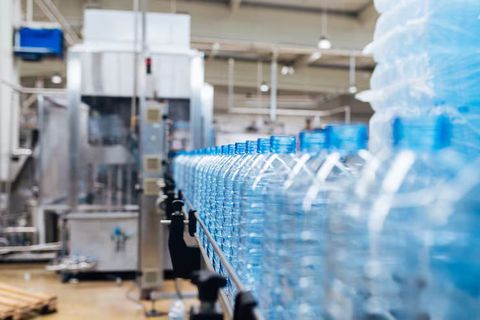
Industrial innovations refer to the integration of advanced technologies, systems, and methodologies into manufacturing and industrial processes to improve efficiency, productivity, and sustainability. Over the past decade, industries have undergone a significant transformation driven by technologies such as automation, artificial intelligence (AI), robotics, and the Industrial Internet of Things (IIoT). These innovations are often grouped under the concept of Industry 4.0, which emphasizes interconnected systems and data-driven decision-making.
This comparison matters in recent years due to the accelerating pace of technological adoption across sectors such as manufacturing, logistics, energy, and healthcare. Businesses are increasingly evaluating which innovations to prioritize based on cost, scalability, and long-term value. For example, while automation improves efficiency, AI enables predictive insights, and IIoT enhances real-time monitoring.
Recent trends show a strong shift toward smart factories, digital twins, and sustainable manufacturing practices. These innovations not only improve operational performance but also address global challenges such as supply chain disruptions, labor shortages, and environmental concerns. Understanding these technologies comparatively helps organizations make informed, strategic decisions.
Who It Affects and What Problems It Solves
Industrial innovations affect a wide range of stakeholders, including manufacturers, supply chain operators, engineers, policymakers, and even end consumers. Small and medium-sized enterprises (SMEs) are increasingly adopting these technologies to remain competitive, while large corporations are scaling them for global operations. Workforce dynamics are also shifting, requiring employees to develop digital and technical skills.
From an operational perspective, these innovations address inefficiencies in production, reduce downtime, and improve product quality. For example, predictive maintenance powered by AI minimizes unexpected equipment failures, while automation reduces human error in repetitive tasks. Additionally, IIoT enables real-time monitoring, allowing businesses to respond quickly to operational issues.
Problems These Innovations Solve:
- Production inefficiency: Automation streamlines repetitive processes
- Unplanned downtime: Predictive analytics reduces equipment failures
- Data silos: IIoT integrates data across systems
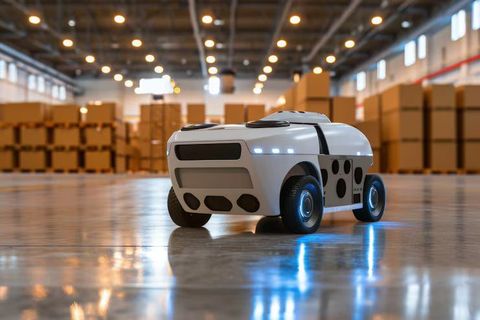
- Labor shortages: Robotics compensates for workforce gaps
- Quality inconsistencies: AI-driven inspection improves accuracy
- Environmental impact: Smart systems optimize energy consumption
Recent Updates and Trends
Over the past year, industrial innovation has continued to evolve rapidly, influenced by global economic conditions and technological advancements. One of the most notable trends is the increased adoption of AI-driven automation, particularly in predictive maintenance and quality control. Organizations are leveraging machine learning models to analyze large datasets and improve operational forecasting.
Another significant development is the rise of digital twins—virtual replicas of physical systems that allow simulation and optimization in real time. This technology is gaining traction in sectors such as manufacturing and energy, where precision and efficiency are critical.
Sustainability has also become a central focus. Companies are integrating energy-efficient systems and circular manufacturing practices to reduce waste and carbon emissions. Additionally, supply chain resilience has improved through the use of real-time tracking and analytics.
Cloud-based industrial platforms are expanding, enabling remote monitoring and collaboration. Cybersecurity has also become a priority, as interconnected systems increase vulnerability to cyber threats. Governments and organizations are investing in secure infrastructure to protect industrial data.
Comparison of Key Industrial Innovations
| Feature / Technology | Automation | Artificial Intelligence (AI) | Industrial IoT (IIoT) | Robotics |
|---|---|---|---|---|
| Core Function | Process execution | Data analysis & prediction | Connectivity & monitoring | Physical task execution |
| Key Benefit | Efficiency | Decision-making | Real-time insights | Precision & consistency |
| Implementation Cost | Moderate | High | Moderate | High |
| Scalability | High | High | Very High | Medium |
| Skill Requirement | Technical | Advanced data skills | IT & networking | Engineering |
| Use Case Example | Assembly lines | Predictive maintenance | Smart sensors | Automated welding |
| Impact on Workforce | Reduces manual labor | Requires data specialists | Enhances coordination | Replaces repetitive tasks |
Laws or Policies and Practical Guidance
Industrial innovations are significantly influenced by government regulations, industry standards, and national policies. In many countries, including India, initiatives such as “Make in India” and digital transformation policies encourage the adoption of advanced manufacturing technologies. These programs often provide incentives, funding, and infrastructure support.
Data protection laws also play a critical role, especially when implementing AI and IIoT systems. Organizations must ensure compliance with data privacy regulations to protect sensitive operational and customer information. Environmental regulations further impact innovation strategies, pushing companies toward sustainable practices.
Practical Guidance:
- For small businesses: Start with automation and IIoT for cost-effective improvements
- For large enterprises: Invest in AI and digital twins for strategic optimization.
- For regulated industries: Ensure compliance with data and environmental policies
- For global operations: Align with international standards such as ISO certifications.
Tools and Resources
Several tools and platforms support the implementation and management of industrial innovations. These resources help organizations analyze data, automate processes, and monitor systems effectively.
Common Tools and Platforms:
- Industrial Automation Software: PLC programming tools, SCADA systems
- AI Platforms: TensorFlow, cloud-based machine learning services
- IIoT Platforms: AWS IoT, Azure IoT Hub
- Simulation Tools: Digital twin software and modeling platforms
- Data Analytics Tools: Power BI, Tableau
- Cybersecurity Solutions: Industrial firewalls and threat detection systems
Additional Resources:
- Government portals for industrial development
- Industry reports and whitepapers
- Online training platforms for upskilling
- Open-source communities for innovation support
Frequently Asked Questions (FAQ)
What are industrial innovations in simple terms?
Industrial innovations are new technologies and methods used to improve manufacturing and industrial processes, making them more efficient and data-driven.
Which industrial innovation is most cost-effective?
Automation and IIoT are generally more cost-effective for initial implementation, especially for small and medium-sized businesses.
How does AI differ from automation in industry?
Automation performs predefined tasks, while AI analyzes data and makes decisions based on patterns and predictions.
Are industrial innovations suitable for small businesses?
Yes, many scalable solutions, such as cloud-based platforms and modular automation systems, are designed for smaller operations.
What are the risks of adopting industrial innovations?
Risks include high initial investment, cybersecurity threats, and the need for skilled workforce training.
Conclusion
Industrial innovations are reshaping the global industrial landscape by enabling smarter, more efficient, and sustainable operations. Comparative analysis shows that each technology—automation, AI, IIoT, and robotics—offers unique advantages depending on the use case and organizational goals. Data-driven insights indicate that companies adopting integrated solutions experience improved productivity, reduced downtime, and better decision-making capabilities.
The most effective approach is not choosing a single innovation but combining multiple technologies to create a cohesive, intelligent system. For example, integrating AI with IIoT can enhance predictive capabilities, while robotics combined with automation can optimize production lines.
In conclusion, organizations should adopt a phased and strategic approach based on their size, industry, and regulatory environment. Starting with scalable solutions and gradually integrating advanced technologies ensures sustainable growth and long-term competitiveness.