Industrial Sealing Overview: Types, Applications, and Key Differences Explained
Industrial sealing refers to the methods and materials used to prevent leakage of fluids, gases, or contaminants in machinery, pipelines, and equipment. It plays a critical role in maintaining operational safety, efficiency, and environmental compliance across industries such as oil & gas, pharmaceuticals, food processing, and manufacturing. Sealing solutions include gaskets, O-rings, mechanical seals, and advanced polymer-based systems, each designed for specific pressure, temperature, and chemical conditions.
In recent years, the importance of industrial sealing has grown due to stricter environmental regulations, increased automation, and the demand for higher system reliability. Equipment downtime caused by seal failure can result in significant productivity loss and safety risks. As industries adopt more complex systems and operate under extreme conditions, selecting the right sealing technology has become a data-driven decision rather than a routine choice.
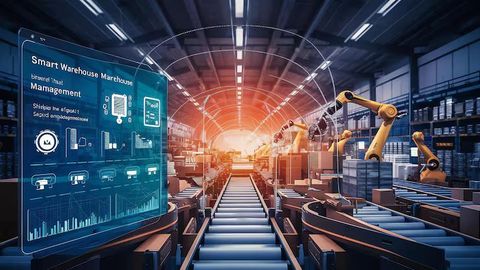
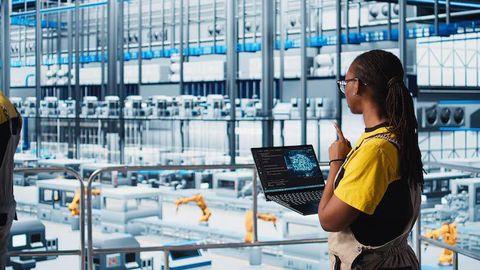
Emerging trends include the use of smart seals with embedded sensors, advanced elastomers for chemical resistance, and predictive maintenance powered by digital monitoring systems. These developments are reshaping how industries approach sealing, shifting from reactive maintenance to proactive performance optimization.
Who It Affects and What Problems It Solves
Industrial sealing impacts a wide range of stakeholders, including engineers, plant operators, maintenance teams, procurement managers, and compliance officers. For engineers, selecting the correct sealing solution is essential for system design and performance. Maintenance teams rely on seals to minimize downtime and reduce repair frequency, while compliance officers ensure that sealing systems meet environmental and safety regulations.
Industries such as chemical processing, power generation, and water treatment are particularly dependent on reliable sealing systems. In these sectors, even minor leaks can lead to contamination, equipment damage, or regulatory violations. For example, in pharmaceutical manufacturing, sealing integrity directly affects product quality and sterility.
Problems Industrial Sealing Solves
- Prevents leakage of fluids and gases under high pressure and temperature
- Reduces contamination risks in sensitive environments
- Minimizes equipment wear and extends operational lifespan
- Ensures compliance with environmental and safety regulations
- Improves energy efficiency by maintaining system integrity
- Reduces maintenance costs and unexpected downtime
Recent Updates and Industry Trends
The past year has seen several notable advancements in industrial sealing technologies:
1. Smart Sealing Systems
Manufacturers are integrating sensors into seals to monitor parameters such as temperature, pressure, and wear. These systems enable predictive maintenance, reducing unplanned downtime.
2. Advanced Materials Development
There has been increased adoption of high-performance polymers like PTFE blends and perfluoroelastomers (FFKM). These materials offer superior resistance to chemicals and extreme temperatures.
3. Sustainability Focus
Industries are moving toward eco-friendly sealing materials and designs that reduce emissions and energy loss. Low-leakage seals are becoming standard in sectors with strict environmental regulations.
4. Digital Twin Integration
Sealing systems are now being modeled within digital twins of industrial plants, allowing engineers to simulate performance and optimize seal selection before implementation.
5. Standardization and Testing Improvements
Global standards for seal performance testing have been updated to ensure better reliability and comparability across products.
Comparison of Industrial Sealing Types
| Sealing Type | Common Materials | Applications | Advantages | Limitations |
|---|---|---|---|---|
| Gaskets | Rubber, PTFE, metal | Flanges, pipelines | Easy installation, cost-effective | Limited reusability |
| O-Rings | Nitrile, silicone | Hydraulic systems | Compact, versatile | Sensitive to material compatibility |
| Mechanical Seals | Carbon, ceramic | Pumps, compressors | High durability, leak prevention | Higher cost, complex installation |
| Lip Seals | Elastomers | Rotating shafts | Good for dust and fluid sealing | Limited pressure handling |
| Metal Seals | Stainless steel alloys | High-temp environments | Extreme durability | Expensive, less flexible |
Laws and Policies Impacting Industrial Sealing
Industrial sealing is heavily influenced by national and international regulations, particularly in sectors dealing with hazardous materials and emissions.
Regulatory Influence
- Environmental Regulations: Many countries enforce strict limits on fugitive emissions from industrial equipment. Seals must meet leakage standards to comply with these regulations.
- Safety Standards: Industrial safety guidelines require sealing systems to prevent hazardous leaks that could endanger workers or the environment.
- Material Compliance: Certain industries, such as food and pharmaceuticals, require seals made from approved materials that do not contaminate products.
Practical Guidance
- Use low-emission seals in industries with strict environmental compliance requirements
- Select FDA-approved materials for food and pharmaceutical applications
- Opt for metal or high-performance polymer seals in high-temperature or corrosive environments
- Ensure regular inspection and certification to meet compliance standards
Tools and Resources
Professionals working with industrial sealing can benefit from a range of tools and resources:
1. Seal Selection Software
Engineering tools that help match sealing materials and designs to specific operating conditions.
2. Material Compatibility Charts
Databases that provide information on how different materials react with chemicals and temperatures.
3. Leakage Calculators
Tools used to estimate acceptable leakage rates and ensure compliance with standards.
4. Industry Standards Documentation
Guidelines from organizations such as ISO and ASTM for seal design and testing.
5. Predictive Maintenance Platforms
Digital tools that use sensor data to predict seal failure and schedule maintenance.
6. Training Modules and Technical Manuals
Educational resources for engineers and technicians to understand sealing principles and best practices.
Frequently Asked Questions
What is the most commonly used industrial sealing type?
Gaskets and O-rings are widely used due to their simplicity, versatility, and cost-effectiveness across multiple industries.
How do I choose the right sealing material?
Material selection depends on factors such as temperature, pressure, chemical exposure, and regulatory requirements. Compatibility charts and engineering tools are essential.
Why do seals fail in industrial systems?
Common causes include improper installation, material incompatibility, excessive pressure or temperature, and lack of maintenance.
Are smart seals widely adopted?
Smart seals are gaining adoption, particularly in high-value industries where predictive maintenance can significantly reduce downtime.
How often should industrial seals be replaced?
Replacement intervals vary based on operating conditions and seal type, but regular inspection and monitoring are recommended to prevent failure.
Conclusion
Industrial sealing is a foundational component of modern industrial systems, directly influencing efficiency, safety, and compliance. Comparative analysis shows that no single sealing solution fits all applications—each type offers distinct advantages and limitations depending on operating conditions. Data from industry practices consistently indicate that improper seal selection is a leading cause of equipment failure and maintenance costs.
Recent advancements, including smart sealing technologies and high-performance materials, are improving reliability and enabling predictive maintenance strategies. Regulatory pressures are also driving innovation toward low-emission and environmentally friendly solutions.
A practical approach involves aligning sealing choices with operational demands: use mechanical seals for high-performance systems, elastomer-based seals for flexibility, and metal seals for extreme environments. Ultimately, the most effective sealing strategy is one that combines proper material selection, regular monitoring, and adherence to regulatory standards.