CDL Training Details: Explore Programs, Eligibility, Driving Skills, Testing, Safety, and Preparation
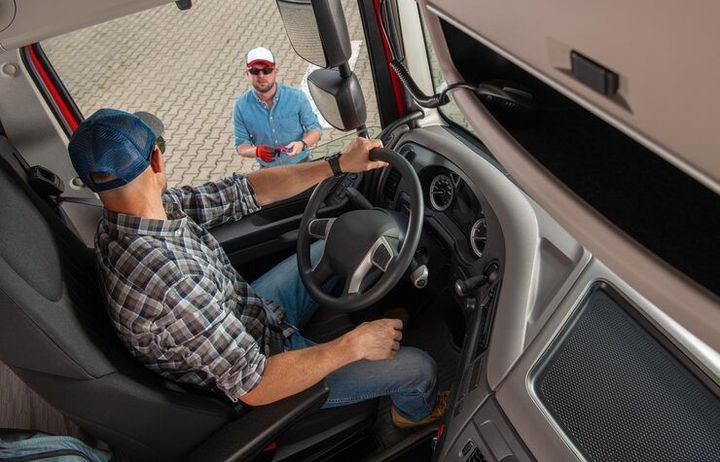
Commercial Driver's License (CDL) training is designed to prepare drivers to operate certain commercial motor vehicles safely and meet federal and state licensing requirements in the United States. A CDL training program can cover classroom theory, vehicle inspection, basic control, maneuvering, road driving, safety procedures, and preparation for required knowledge and skills tests.
The CDL system was established to create consistent licensing standards for drivers operating commercial motor vehicles. The Federal Motor Carrier Safety Administration (FMCSA) establishes federal requirements, while individual states administer licensing and testing according to applicable rules. FMCSA explains that obtaining a CDL generally involves eligibility checks, a Commercial Learner's Permit (CLP), applicable training, and required testing.
What CDL Training Covers
CDL training varies according to the license class and endorsements being pursued. Common areas include vehicle inspection, safe starting and stopping, steering, shifting, backing, turning, coupling and uncoupling, defensive driving, and road awareness.
Training can combine theory instruction with behind-the-wheel practice. For applicants subject to Entry-Level Driver Training (ELDT), federal requirements distinguish between theory and practical training components depending on the CDL or endorsement being pursued.
CDL Classes
There are three primary CDL classes in the United States:
- Class A generally covers combinations of vehicles that meet applicable federal weight and configuration requirements.
- Class B generally applies to certain single vehicles meeting the applicable requirements.
- Class C covers certain commercial vehicles that do not fall within Class A or B but meet federal CDL criteria.
Additional endorsements can authorize specific types of commercial driving, including passenger vehicles, school buses, tank vehicles, combination vehicles, and hazardous materials, subject to applicable requirements.
Importance
CDL training matters because commercial vehicles are larger, heavier, and often more complex to operate than ordinary passenger vehicles. Drivers need to understand vehicle dimensions, braking characteristics, turning space, blind areas, loading considerations, and interactions with other road users.
The training process also helps applicants become familiar with the skills evaluated during CDL testing. FMCSA states that CDL applicants must meet knowledge and skills requirements and that CDL holders are held to higher standards when operating motor vehicles.
Who May Need CDL Training
Federal ELDT requirements apply to specific categories of applicants. These include people seeking a Class A or Class B CDL for the first time, Class B holders upgrading to Class A, and first-time applicants for passenger, school bus, or hazardous materials endorsements.
The exact eligibility requirements can vary by state. Applicants should check their state's CDL manual because states may establish requirements in addition to federal standards.
Eligibility Factors
Eligibility can involve several elements:
- Age requirements established under federal and state rules
- State residency and licensing requirements
- Driving-record checks
- Appropriate identification and documentation
- Medical qualification where applicable
- Commercial Learner's Permit requirements
- Completion of applicable ELDT
- Passing required knowledge and skills examinations
For many commercial driving situations, medical certification requirements also apply. FMCSA states that certain interstate commercial drivers must maintain a valid Medical Examiner's Certificate and complete the applicable medical self-certification process with their state licensing agency.
Recent Updates
From 2024 through 2026, CDL training has continued to operate within the federal ELDT framework introduced in 2022. FMCSA's current ELDT information confirms that the requirements remain applicable to first-time Class A and Class B applicants, Class B-to-Class A upgrades, and first-time S, P, and H endorsement applicants.
The Training Provider Registry (TPR) remains an important part of the process. Applicants subject to ELDT must complete applicable training through a provider listed in the registry before taking the relevant state-administered test. Training completion is electronically recorded in the registry.
Changes in Medical Guidance
FMCSA updated its Medical Advisory Criteria in 2024. The updated criteria provide guidance to medical examiners regarding the interpretation and application of physical qualification standards for commercial motor vehicle operators.
This development is relevant to CDL applicants because medical qualification can be part of the licensing process, depending on the type of commercial driving and operating category.
Increased Use of Digital Training
CDL education has also increasingly incorporated digital learning tools. Online theory lessons, electronic assessments, training records, and registry-based verification can support the educational portion of CDL preparation.
Digital learning does not eliminate the need for practical driving instruction where behind-the-wheel training is required. Applicants still need to satisfy the applicable federal and state requirements before taking the relevant examination.
Laws or Policies
CDL licensing in the United States is governed by federal standards and state-administered procedures. FMCSA establishes national requirements, while each state handles the actual issuance of CDLs and conducts its licensing procedures.
Entry-Level Driver Training Rules
ELDT is one of the most important federal training requirements for new CDL applicants. For applicable Class A and Class B applicants, training includes theory and behind-the-wheel components. For first-time passenger and school bus endorsements, applicable theory and practical training are required, while first-time hazardous materials endorsement applicants must complete the required theory training before the H knowledge test.
The rules are not retroactive. Certain individuals who held the relevant CDL or endorsement before the ELDT implementation date may fall outside the requirement, while specific regulatory exceptions also exist.
Commercial Learner's Permit
The CLP is an important stage before obtaining a CDL. FMCSA explains that a CLP permits practice on public roads with a qualified CDL holder accompanying the learner, subject to applicable rules. Applicants also undergo required record and eligibility checks.
Federal rules generally require a CLP holder to possess the permit for at least 14 days before taking the CDL skills test. Applicable ELDT requirements must also be completed.
Safety and Disqualification Rules
CDL holders are subject to specific rules concerning serious traffic violations and major offenses. Certain violations can result in temporary or lifetime disqualification from operating commercial motor vehicles.
Safety rules also address medical certification, vehicle operation, testing, and other aspects of commercial driving. Because state procedures can differ, applicants should consult the relevant state licensing authority in addition to federal guidance.
Tools and Resources
Several resources can help people understand CDL training and prepare for the licensing process.
State CDL Manuals
Each state publishes a CDL manual containing information about licensing procedures, knowledge examinations, vehicle requirements, endorsements, restrictions, and testing. FMCSA recommends obtaining the CDL manual from the applicant's state.
FMCSA Training Provider Registry
The FMCSA Training Provider Registry is used to identify providers that are registered to conduct applicable ELDT. Training completion information is submitted electronically to the registry.
Knowledge-Test Practice Materials
Practice questions can help learners become familiar with subjects such as vehicle inspection, safe driving, air brakes, combination vehicles, hazardous materials, passenger vehicles, and other applicable areas. The official state CDL manual should remain the primary reference because testing procedures and requirements can vary by state.
Skills-Test Preparation
A practical preparation checklist can include:
- Pre-trip vehicle inspection
- Basic vehicle control
- Straight-line backing
- Offset backing
- Turning and lane positioning
- Coupling and uncoupling where applicable
- Safe braking
- Mirror use
- Speed control
- Intersection awareness
- Railroad crossing awareness
- Road-test procedures
The precise skills evaluated depend on the CDL class, endorsements, testing vehicle, and state procedures.
CDL Training Overview
| Training area | Main purpose | Typical focus |
|---|---|---|
| Theory | Build knowledge | Rules, safety, vehicle systems |
| Vehicle inspection | Identify conditions | Inspection procedures and defects |
| Basic control | Develop handling skills | Steering, stopping, shifting |
| Backing | Improve maneuvering | Straight and controlled backing |
| Road driving | Apply driving skills | Traffic, turns, lane control |
| Safety | Reduce operational risks | Awareness, space, defensive driving |
| Testing preparation | Understand evaluation | Knowledge and skills test procedures |
FAQs
What is CDL training?
CDL training prepares applicants for commercial vehicle operation and the licensing requirements associated with a Commercial Driver's License. Depending on the license or endorsement, it may include theory instruction and behind-the-wheel training.
How long does CDL training take?
There is no single training duration that applies to every applicant. Federal ELDT rules establish required subject areas and practical training requirements for applicable applicants, while state rules and individual training programs determine the overall process. FMCSA does not prescribe a universal minimum number of hours for ELDT theory instruction.
Is CDL training required before the CDL skills test?
For applicants covered by ELDT, applicable training must be completed through a registered training provider before the relevant skills test. This includes first-time Class A and Class B applicants and certain endorsement applicants.
What driving skills are taught in CDL training?
Common CDL driving skills include vehicle inspection, steering, shifting, braking, backing, turning, lane positioning, mirror use, space management, and safe operation in traffic. The exact skills depend on the license class and vehicle type.
Do CDL applicants need a medical examination?
Medical requirements depend on the type of commercial driving and applicable operating category. Certain interstate commercial drivers must meet federal medical qualification requirements and maintain appropriate medical certification.
Conclusion
CDL training combines commercial driving knowledge, practical vehicle skills, safety principles, and preparation for required licensing tests. Federal ELDT rules establish training requirements for specific new CDL and endorsement applicants, while states administer licensing and testing procedures. Current CDL preparation also incorporates digital training records and registry-based verification alongside practical instruction. Eligibility, medical requirements, testing procedures, and applicable endorsements should be checked against current federal and state requirements.