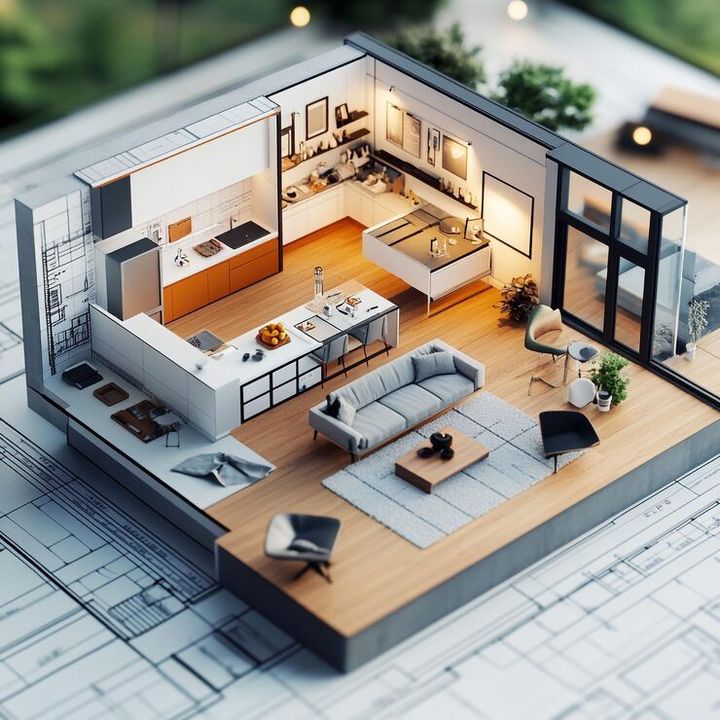
Furniture Planning Tips for Efficient Space and Functionality
Furniture planning is the process of selecting, arranging, and optimizing furniture within a space to achieve functional efficiency, aesthetic balance, and cost-effectiveness. It goes beyond simply choosing attractive pieces—it involves understanding spatial dimensions, user needs, ergonomics, and long-term usability. With increasing urbanization and shrinking living spaces, especially in metropolitan areas, furniture planning has become more critical than ever.
In recent years, trends such as modular furniture, multifunctional designs, and minimalistic interiors have significantly influenced how individuals approach furniture planning. The rise of remote work has also shifted priorities, making home offices, ergonomic seating, and flexible layouts essential components of modern homes. Additionally, sustainability concerns have led to increased interest in durable, recyclable, and space-efficient furniture solutions.
Effective furniture planning impacts not only comfort and productivity but also financial efficiency. Poor planning can lead to overcrowded spaces, unnecessary expenses, and reduced usability. On the other hand, strategic planning ensures optimal space utilization, improved lifestyle quality, and better long-term value.
Who It Affects and What Problems It Solves
Furniture planning affects a wide range of individuals and sectors. Homeowners, renters, interior designers, architects, and even businesses such as offices and retail stores rely on effective furniture planning. For individuals living in compact urban apartments, efficient furniture arrangement is crucial for maximizing usable space. Families require thoughtful layouts to accommodate storage, movement, and daily activities, while businesses need optimized layouts to improve productivity and customer experience.
In professional environments, furniture planning directly influences workflow efficiency, employee comfort, and overall operational effectiveness. For example, poorly arranged office furniture can lead to reduced collaboration, discomfort, and even health issues such as back pain due to improper ergonomics.
Problems It Solves
- Space Constraints: Helps maximize limited space through smart layouts and multifunctional furniture
- Budget Mismanagement: Prevents overspending by prioritizing essential furniture and long-term value
- Poor Functionality: Ensures furniture placement supports daily activities and usability
- Clutter and Disorganization: Promotes structured layouts and efficient storage solutions
- Ergonomic Issues: Improves comfort and reduces health risks through proper furniture selection
Recent Updates and Trends
Furniture planning has evolved significantly in the past year, driven by technological advancements and lifestyle changes. One major trend is the increasing adoption of modular furniture, which allows users to customize layouts based on changing needs. This is particularly relevant in urban areas where flexibility is essential.
Another important development is the integration of smart furniture, such as desks with built-in charging ports or adjustable height mechanisms. These innovations align with the growing demand for hybrid work environments.
Sustainability has also gained prominence. Consumers are increasingly prioritizing eco-friendly materials, such as reclaimed wood and recyclable metals. According to industry reports, demand for sustainable furniture has steadily increased as environmental awareness grows.
Digital tools have further transformed furniture planning. Augmented reality (AR) applications now allow users to visualize furniture placement before purchasing, reducing the risk of mismatched sizes or styles.
Additionally, compact living solutions—such as foldable beds, wall-mounted desks, and storage-integrated seating—have become more common, reflecting the need for efficient space utilization in smaller homes.
Furniture Planning Comparison Table
| Aspect | Traditional Furniture Planning | Modern Furniture Planning |
|---|---|---|
| Approach | Fixed layouts | Flexible and modular designs |
| Space Utilization | Often inefficient | Optimized for small and large spaces |
| Technology Use | Minimal | AR tools, design software |
| Cost Efficiency | May involve trial and error | Data-driven and budget-focused |
| Sustainability | Limited focus | Emphasis on eco-friendly materials |
| Functionality | Single-purpose furniture | Multifunctional solutions |
| Adaptability | Low | High adaptability to lifestyle changes |
Laws, Policies, and Practical Considerations
Furniture planning is indirectly influenced by various regulations and policies, particularly in countries like India. Building codes, housing regulations, and safety standards play a significant role in determining how furniture can be arranged within a space.
Key Regulatory Influences
- Building Codes: Define minimum space requirements, ventilation, and movement areas
- Fire Safety Regulations: Require clear pathways and accessible exits, influencing furniture placement
- Ergonomic Guidelines: Particularly relevant in workplaces, ensuring employee safety and comfort
- Sustainability Policies: Encourage the use of eco-friendly materials and energy-efficient designs
Practical Guidance
- In small apartments, prioritize multifunctional furniture to comply with space constraints.
- In offices, follow ergonomic standards to reduce health risks and improve productivity.
- For commercial spaces, ensure layouts meet safety and accessibility requirements.
- When planning long-term use, consider durable and sustainable materials to align with environmental guidelines.
Tools and Resources
Several tools and resources can assist in effective furniture planning. These range from digital applications to practical templates that simplify layout design and decision-making.
Digital Tools
- Room Planning Software: Helps create accurate floor plans and visualize layouts
- Augmented Reality Apps: Allow real-time placement of furniture in a virtual environment
- 3D Modeling Tools: Useful for detailed interior design and customization
Practical Resources
- Furniture Measurement Templates: Ensure accurate sizing and spacing
- Budget Calculators: Help allocate funds efficiently across different furniture categories
- Ergonomic Checklists: Guide proper selection of chairs, desks, and other essential items
- Design Blogs and Case Studies: Provide insights into modern trends and best practices
These tools reduce uncertainty, improve planning accuracy, and support data-driven decisions.
Frequently Asked Questions (FAQ)
What is furniture planning, and why is it important?
Furniture planning involves selecting and arranging furniture to optimize space, functionality, and aesthetics. It is important because it directly impacts comfort, usability, and cost efficiency.
How do I plan furniture for a small room?
Focus on multifunctional furniture, vertical storage, and minimalistic layouts. Measure the space accurately and avoid overcrowding.
What are the common mistakes in furniture planning?
Common mistakes include ignoring measurements, overcrowding spaces, neglecting ergonomics, and prioritizing aesthetics over functionality.
How does furniture planning affect productivity?
Proper furniture arrangement improves comfort, reduces distractions, and supports efficient workflows, especially in home offices and workplaces.
Are digital tools necessary for furniture planning?
While not mandatory, digital tools significantly improve accuracy and visualization, helping users make informed decisions before purchasing furniture.
Conclusion
Furniture planning is a critical aspect of modern living, combining spatial efficiency, financial planning, and functional design. With increasing urban density and evolving lifestyle needs, the importance of structured and data-driven furniture planning continues to grow.
Modern approaches—characterized by modular designs, digital tools, and sustainability—offer significant advantages over traditional methods. They enable better space utilization, improved adaptability, and long-term cost savings. At the same time, regulatory considerations and ergonomic standards ensure safety and usability across residential and commercial spaces.
In conclusion, effective furniture planning is not just about aesthetics—it is a strategic process that enhances daily living and operational efficiency. The most practical approach is to prioritize functionality, use reliable tools, and adapt layouts based on evolving needs. This ensures a balanced, efficient, and future-ready living or working environment.