Factory Exhaust System Guide: Explore Types, Components, Applications, Efficiency, and Planning Factors
A factory exhaust system is a mechanical ventilation arrangement designed to remove unwanted air, heat, dust, fumes, vapors, smoke, or process-related contaminants from an industrial workspace. It commonly combines exhaust fans, hoods, ductwork, filters, dampers, stacks, and other air-handling components to move contaminated air away from occupied areas.
Industrial exhaust systems developed alongside manufacturing processes that produced heat, dust, combustion gases, chemical vapors, and other airborne substances. Natural ventilation was useful in some buildings, but enclosed factories and processes producing concentrated emissions often required controlled air movement.
Today, factory exhaust systems are used in manufacturing plants, workshops, warehouses, processing facilities, laboratories, foundries, welding areas, chemical plants, food-processing facilities, and other industrial environments. The system design depends on the source of the contaminant, the volume of air involved, the building layout, and the required level of air treatment.
How a Factory Exhaust System Works
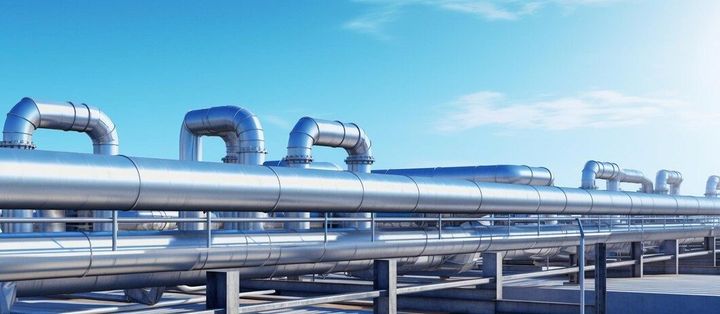
A typical system captures contaminated air near its source and transports it through ductwork toward a treatment device or discharge point. An exhaust fan creates the pressure difference needed to move air through the system.
Depending on the application, the extracted air may pass through equipment such as a cyclone separator, bag filter, cartridge filter, scrubber, mist eliminator, or activated-carbon unit before being discharged. The selection depends on the type and concentration of material present in the air.
Main System Categories
Factory exhaust arrangements can generally be divided into local exhaust ventilation and general exhaust ventilation. Local exhaust ventilation captures contaminants close to where they are generated, while general exhaust ventilation changes or removes air from a larger area.
Local extraction is commonly used for welding fumes, grinding dust, chemical vapors, paint processes, and other concentrated sources. General exhaust systems can help remove accumulated heat or dilute contaminants across larger spaces.
Importance
Factory exhaust systems matter because manufacturing activities can alter indoor air conditions. Heat, dust, fumes, vapors, odors, and combustion products may accumulate when air movement is insufficient or when contaminants are not captured close to their source.
An appropriately designed system can help control the movement of unwanted airborne material and support workplace environmental conditions. The system may also form part of an industrial air-pollution control arrangement when extracted air requires treatment before discharge.
Common Problems Addressed
Different industrial processes create different ventilation challenges. Welding can generate fumes and fine particles, machining can generate airborne dust or mist, and thermal processes can introduce heat and combustion products.
Common challenges include:
- Localized dust or fume generation
- Excess heat in production areas
- Chemical vapor accumulation
- Smoke and combustion products
- Oil or coolant mist
- Process odors
- Airborne particulate matter
- Pressure imbalance between rooms
- Contaminated air entering adjacent areas
A factory exhaust system is not automatically suitable for every contaminant. The source, material properties, airflow requirements, temperature, moisture, and potential fire or chemical hazards must be considered during system planning.
Factory Exhaust System Efficiency
Efficiency involves more than selecting a large exhaust fan. A system needs appropriate airflow, capture location, duct dimensions, pressure control, filtration, and maintenance.
Poorly positioned hoods can allow contaminants to escape before they reach the extraction point. Excessively long or restrictive duct runs can increase pressure losses, while poorly maintained filters can increase resistance and reduce airflow.
Energy use is another consideration. Fans operating against unnecessary pressure losses require more electrical power. Good system planning therefore considers airflow requirements alongside duct routing, filtration, fan selection, controls, and operating schedules.
Recent Updates
From 2024 through 2026, industrial ventilation has increasingly been considered alongside automation, energy management, air-quality monitoring, and pollution-control technologies. The broader direction is toward systems that can measure operating conditions and adjust ventilation according to process requirements.
Modern installations may incorporate variable-speed drives, pressure sensors, airflow measurement, temperature sensors, particulate monitoring, and automated controls. These technologies can allow ventilation equipment to respond to changing production conditions instead of operating continuously at one fixed level.
The National Building Code of India 2016 includes provisions covering air conditioning, heating, and mechanical ventilation, including modern mechanical ventilation for industrial environments. BIS also identifies industrial ventilation as a dedicated standards area, including IS 3103:1975, Code of Practice for Industrial Ventilation.
CPCB materials continue to emphasize controlled collection of industrial emissions. Recent CPCB guidance for specific industrial processes describes the use of adequate exhaust systems, appropriate ducts and vents, air-pollution control devices, and dedicated stacks where applicable.
Automation and Monitoring
Digital controls are increasingly being incorporated into ventilation systems. Sensors can monitor pressure, temperature, particulate levels, or other operating parameters, while variable-speed drives can adjust fan operation.
This approach can be particularly useful in facilities where production conditions change during the day. However, automated controls do not replace proper engineering design or routine inspection.
Air Pollution Control Integration
Factory exhaust systems may operate together with air-pollution control equipment. Depending on the contaminant, systems can incorporate cyclones, bag filters, scrubbers, mist collectors, or other treatment equipment.
CPCB technical material notes that industrial air emissions can originate from both point and diffuse sources and describes the role of hoods and ducts in collecting emissions for treatment by terminal control equipment.
Laws or Policies
In India, industrial ventilation and exhaust arrangements can be influenced by occupational safety requirements, environmental regulations, building provisions, and conditions established by State Pollution Control Boards or Pollution Control Committees.
The Occupational Safety, Health and Working Conditions Code, 2020 consolidates legislation concerning occupational safety, health, and working conditions. Its application and commencement depend on the provisions and notifications issued under the Code.
Environmental requirements can also apply where factory exhaust releases pollutants into the atmosphere. CPCB materials explain that industries may need appropriate air-pollution control devices and must meet applicable emission standards and consent conditions established under environmental legislation.
The National Building Code of India provides provisions for building services, including mechanical ventilation, and is an important technical reference for building and ventilation planning.
BIS provides the “Know Your Standard” portal for searching Indian Standards by IS number or keyword and accessing related documents, amendments, testing information, and other standard-related material.
Specific requirements can vary according to the industry, process, location, emissions, building type, and applicable consent conditions. Therefore, general information about factory exhaust systems should not be treated as a substitute for applicable engineering, environmental, or workplace requirements.
Tools and Resources
Several technical resources can help with factory exhaust system planning and evaluation.
Airflow and Duct Calculations
Engineers commonly use airflow calculations to estimate the volume of air that needs to be captured or removed. Duct calculations can then be used to examine velocity, pressure losses, duct dimensions, and fan requirements.
A basic planning record may include:
| Planning factor | Information to consider |
|---|---|
| Contaminant | Dust, fumes, vapor, mist, smoke, or heat |
| Source | Machine, process, furnace, tank, booth, or work area |
| Capture method | Hood, enclosure, slot, canopy, or general exhaust |
| Airflow | Required extraction volume |
| Ductwork | Length, diameter, bends, branches, and material |
| Treatment | Filter, cyclone, scrubber, or other device |
| Fan | Capacity, pressure, speed, and motor requirements |
| Discharge | Stack or other approved discharge arrangement |
| Controls | Dampers, sensors, drives, switches, or automation |
| Inspection | Airflow, pressure, filter condition, and equipment condition |
BIS Standards Resources
The BIS standards database can be used to locate standards related to industrial ventilation, building services, mechanical ventilation, and other technical subjects. The “Know Your Standard” portal allows searches using standard numbers or keywords.
IS 3103 is listed by BIS as the Code of Practice for Industrial Ventilation. It can be relevant when researching principles and technical references for industrial ventilation planning.
CPCB Resources
The Central Pollution Control Board publishes technical documents covering industrial emissions, pollution-control equipment, environmental standards, and process-specific requirements. These resources can help readers understand how exhaust systems interact with air-pollution control arrangements.
System Inspection Records
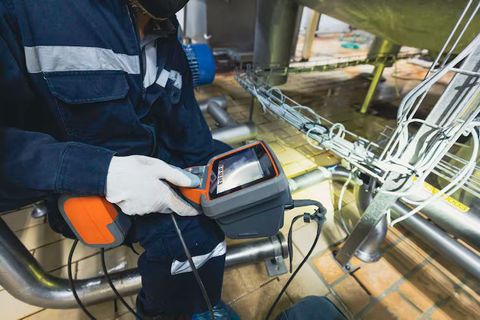
Routine records can include fan operating conditions, filter pressure drop, visible duct damage, unusual vibration, airflow measurements, and inspection findings. Keeping these records can help identify changes in system performance over time.
FAQs
What is a factory exhaust system?
A factory exhaust system is a mechanical ventilation arrangement that removes unwanted air, heat, dust, fumes, vapors, smoke, or other process-related contaminants from an industrial area.
What are the main components of a factory exhaust system?
Common factory exhaust system components include exhaust fans, hoods, ductwork, dampers, filters or other air-pollution control devices, discharge stacks, controls, and supporting structures. The exact configuration depends on the industrial process.
What are the types of factory exhaust systems?
The main categories include local exhaust ventilation and general exhaust ventilation. Local systems capture contaminants near their source, while general systems move or replace air across a wider area.
How is factory exhaust system efficiency evaluated?
Efficiency can be evaluated by examining contaminant capture, airflow, pressure losses, filtration performance, fan operation, energy use, and the condition of ducts and components. A system that moves a large amount of air is not necessarily efficient if the air is captured poorly or excessive pressure losses occur.
Why are exhaust systems important in factories?
Exhaust systems help control airborne contaminants, excess heat, fumes, dust, vapors, and process emissions. They can also form part of an air-pollution control arrangement when extracted air requires treatment before discharge.
Conclusion
A factory exhaust system is an important part of industrial ventilation and can be designed to capture or remove heat, dust, fumes, vapors, mist, smoke, and other airborne materials. Its performance depends on factors such as source capture, airflow, duct design, fan selection, filtration, controls, and maintenance. Recent developments have increased the use of sensors, variable-speed equipment, automated controls, and integrated pollution-control systems. In India, applicable occupational safety, environmental, building, and BIS requirements should be considered according to the specific industrial application.