Duct Cleaning Guide: Basics, Tips, and Maintenance Knowledge for Beginners
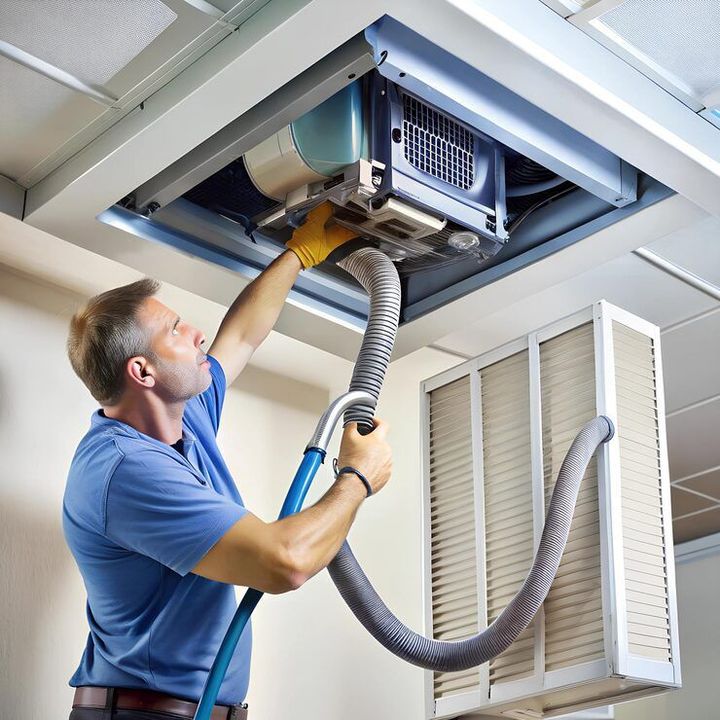
Duct cleaning refers to the process of removing dust, debris, allergens, and microbial contaminants from heating, ventilation, and air conditioning (HVAC) systems. These systems circulate air throughout residential and commercial spaces, making them a critical component of indoor air quality. Over time, ducts can accumulate particulate matter such as pollen, mold spores, pet dander, and construction residues, especially in environments with high pollution levels or frequent system use.
In recent years, awareness of indoor air quality has increased due to rising urban pollution, health concerns, and extended indoor occupancy patterns. This has led to a growing focus on preventive maintenance practices, including duct cleaning. While not always required on a fixed schedule, cleaning becomes important under certain conditions, such as visible contamination, reduced airflow efficiency, or post-renovation debris buildup.
Trends indicate a shift toward data-driven maintenance, where inspection tools and air quality monitoring devices help determine the need for cleaning. Additionally, energy efficiency concerns have highlighted the role of clean ducts in optimizing HVAC performance. Poorly maintained systems can lead to higher energy consumption and uneven airflow distribution, impacting both operational costs and occupant comfort.
Who It Affects and What Problems It Solves
Duct cleaning impacts a wide range of users, including homeowners, facility managers, commercial building operators, and industrial environments. In residential settings, families with children, elderly individuals, or people with respiratory sensitivities may experience noticeable differences in indoor air conditions. In commercial buildings such as offices, hospitals, and educational institutions, maintaining clean air circulation is essential for occupant health and productivity.
Industries that rely on controlled environments, such as pharmaceuticals or food processing, also depend on clean duct systems to meet compliance and hygiene standards. Even in smaller spaces like apartments, improper duct maintenance can affect comfort levels and air freshness.
Problems It Solves
| Problem Area | Explanation |
|---|---|
| Poor Indoor Air Quality | Removes accumulated dust, allergens, and pollutants from circulation |
| Reduced HVAC Efficiency | Improves airflow, reducing strain on heating and cooling systems |
| Odor Issues | Eliminates persistent smells caused by mold, dust, or debris buildup |
| Uneven Temperature Control | Enhances air distribution across rooms |
| System Wear and Tear | Reduces mechanical stress, potentially extending equipment lifespan |
| Post-Construction Debris | Clears leftover particles after renovation or installation work |
Recent Updates and Trends
The past year has seen increased attention to indoor air quality standards and HVAC system efficiency. Several trends have emerged:
- Adoption of Smart Monitoring Devices: Sensors that measure particulate matter (PM2.5, PM10), humidity, and airflow are increasingly used to determine when duct cleaning is necessary rather than relying on fixed schedules.
- Energy Efficiency Focus: Governments and organizations are promoting energy-efficient building practices, where clean duct systems contribute to reduced energy consumption.
- Awareness of Airborne Contaminants: Research on airborne particles has reinforced the importance of proper ventilation and periodic inspection of ducts.
- Eco-Friendly Cleaning Methods: There is a growing shift toward non-toxic cleaning agents and methods that minimize environmental impact.
- Integration with Preventive Maintenance Plans: Duct cleaning is now often included as part of broader HVAC maintenance strategies rather than treated as a standalone task.
These developments reflect a move toward evidence-based maintenance, where decisions are guided by measurable data rather than assumptions.
Comparative Overview of Duct Cleaning Methods
| Cleaning Method | Description | Suitable For | Limitations |
|---|---|---|---|
| Mechanical Brushing | Uses rotating brushes to dislodge debris | Moderate dust buildup | May not remove fine particles completely |
| Vacuum Extraction | High-powered vacuum removes loosened contaminants | General cleaning | Requires proper sealing to avoid leakage |
| Air Whip Cleaning | Compressed air tools agitate dust inside ducts | Large duct systems | Less effective for sticky residues |
| Chemical Cleaning | Uses approved agents to disinfect or remove mold | Mold contamination | Must comply with safety standards |
| Robotic Cleaning Systems | Remote-controlled devices inspect and clean ducts | Complex or inaccessible duct layouts | Higher cost and technical requirements |
Laws or Policies and Practical Guidance
Duct cleaning is influenced by building regulations, environmental standards, and occupational safety guidelines. While specific rules vary by country, several general frameworks apply:
- Indoor Air Quality Standards: Many regions follow guidelines that define acceptable air quality levels in residential and commercial buildings. These indirectly influence duct maintenance practices.
- HVAC Maintenance Regulations: Commercial buildings often require periodic inspection and maintenance of HVAC systems to ensure safety and efficiency.
- Environmental Protection Guidelines: The use of chemicals in duct cleaning is regulated to prevent harmful emissions or residue.
- Workplace Safety Norms: Cleaning procedures must adhere to safety standards to protect workers from dust exposure and confined space hazards.
Practical Guidance
- Residential Settings: Cleaning is typically recommended when visible dust, mold, or airflow issues are present rather than on a fixed timeline.
- Commercial Buildings: Scheduled inspections are often required, with cleaning performed based on system usage and environmental conditions.
- Industrial Environments: Compliance with stricter hygiene and air quality standards may necessitate more frequent cleaning.
- Post-Construction: Cleaning is advisable after renovation or construction to remove debris from ducts.
Tools and Resources
Effective duct cleaning and maintenance rely on a combination of tools and digital resources:
Physical Tools
- High-efficiency particulate air (HEPA) vacuum systems
- Rotary brushes and air whips
- Inspection cameras for internal duct assessment
- Sealing equipment to prevent dust leakage
Digital Tools and Resources
| Tool Type | Purpose |
|---|---|
| Air Quality Monitors | Measure indoor pollutants and determine cleaning needs |
| HVAC Maintenance Apps | Track inspection schedules and maintenance history |
| Energy Calculators | Estimate efficiency improvements after cleaning |
| Inspection Checklists | Standardized templates for evaluating duct condition |
| Government Websites | Provide guidelines on air quality and building maintenance standards |
These resources help users make informed decisions and maintain consistency in maintenance practices.
Frequently Asked Questions (FAQ)
What is the recommended frequency for duct cleaning?
There is no universal schedule. Cleaning is typically recommended when there is visible contamination, reduced airflow, or after construction activities. Inspection-based decisions are more reliable than fixed intervals.
Does duct cleaning improve air quality?
Cleaning can reduce dust and allergens in the system, but overall air quality also depends on factors such as ventilation, filtration, and external pollution levels.
Is duct cleaning necessary for new homes?
New homes may still require cleaning if construction debris has entered the duct system during installation or finishing work.
Are chemical cleaners safe for ducts?
Only approved and regulated cleaning agents should be used. Improper use can lead to residue buildup or indoor air contamination.
Can duct cleaning reduce energy consumption?
Clean ducts can improve airflow efficiency, which may help HVAC systems operate more effectively. However, energy savings depend on overall system condition and usage patterns.
Conclusion
Duct cleaning plays a supporting role in maintaining indoor air quality and HVAC system efficiency. Evidence suggests that targeted cleaning—based on inspection and measurable indicators—provides more value than routine, schedule-based approaches. Clean duct systems contribute to improved airflow, reduced system strain, and potentially lower energy consumption, particularly in environments with high dust or pollutant exposure.
From a data-driven perspective, the integration of monitoring tools and preventive maintenance strategies has transformed duct cleaning into a more precise and need-based practice. Rather than viewing it as a one-time task, it is more effective when incorporated into a broader HVAC management plan.
The most practical recommendation is to rely on periodic inspections, use appropriate tools, and follow regulatory guidelines relevant to the building type and location. This approach ensures that duct cleaning is performed when necessary, optimizing both system performance and indoor environmental quality without unnecessary intervention.