Aluminum Sheets vs Coils: Essential Knowledge for Beginners
Aluminum is one of the most widely used industrial metals due to its lightweight nature, corrosion resistance, and versatility. Two of the most common forms in which aluminum is supplied are aluminum sheets and aluminum coils. While both originate from the same base material, their form factor significantly affects how they are processed, transported, and used across industries such as construction, automotive, packaging, and manufacturing.
In recent years, the comparison between aluminum sheets and coils has become increasingly relevant due to rising demand for efficient production methods, sustainability considerations, and cost optimization. Industries are shifting toward automation and continuous processing systems, which often favor coil formats. At the same time, sheets remain critical for precision-based applications requiring fixed dimensions.
Trends such as lightweight vehicle manufacturing, renewable energy installations, and increased recycling rates are influencing how aluminum is consumed globally. Understanding the differences between sheets and coils helps businesses select the most efficient format for their operational needs, reducing waste, improving productivity, and aligning with modern manufacturing practices.
Who It Affects and What Problems It Solves
The choice between aluminum sheets and coils affects a wide range of stakeholders, including manufacturers, fabricators, construction firms, and supply chain managers. For example, automotive manufacturers often prefer coils for high-volume production lines, while small-scale fabricators may rely on sheets for easier handling and customization.
Construction companies working on roofing, cladding, or structural elements must decide based on project scale and installation methods. Similarly, packaging industries, especially those producing cans or foils, depend heavily on coils for continuous processing.
From an operational perspective, this comparison solves several practical challenges:
- Material handling efficiency: Coils reduce handling frequency compared to multiple sheets.
- Production consistency: Continuous coil feeding supports automated processes.
- Waste reduction: Coils can minimize offcuts in large-scale production.
- Customization needs: Sheets allow easier manual cutting and shaping for smaller projects.
- Storage optimization: Coils occupy less space relative to equivalent sheet stacks.
By understanding these differences, organizations can better align their material choice with production goals and resource constraints.
Recent Updates and Industry Trends
Over the past year, several developments have influenced the aluminum sheets vs coils landscape:
- Increased demand for lightweight materials: The automotive and aerospace sectors continue to adopt aluminum coils for mass production of lightweight components.
- Growth in renewable energy projects: Solar panel mounting structures and wind turbine components are driving demand for both sheets and coils, depending on design requirements.
- Advancements in rolling technology: Modern rolling mills now produce higher precision coils with tighter tolerances, reducing the need for secondary processing.
- Sustainability focus: Recycling rates for aluminum remain high, and coils are often preferred in recycling loops due to easier reprocessing.
- Supply chain optimization: Manufacturers are increasingly adopting just-in-time inventory systems, favoring coils for bulk supply and sheets for immediate use cases.
These trends highlight a gradual shift toward coil usage in large-scale industries, while sheets continue to serve niche and precision-driven applications.
Comparison Table: Aluminum Sheets vs Aluminum Coils
| Feature | Aluminum Sheets | Aluminum Coils |
|---|---|---|
| Form | Flat, cut-to-size pieces | Continuous rolled strip |
| Typical Thickness Range | Wide range (thin to thick) | Generally thinner, uniform thickness |
| Handling | Easier for manual handling | Requires machinery for handling |
| Storage | Requires stacking space | Compact, rolled storage |
| Processing | Suitable for batch processing | Ideal for continuous processing |
| Waste Generation | Higher due to offcuts | Lower in large-scale operations |
| Cost Efficiency | Higher per unit for large volumes | More economical for bulk production |
| Customization | High flexibility | Limited without additional processing |
| Common Applications | Construction panels, signage | Automotive parts, packaging, roofing |
| Transportation | Easier in small quantities | Efficient for bulk transport |
Laws and Policies Affecting Aluminum Usage
Aluminum production and usage are influenced by various regulations and policies, particularly in countries with strong industrial and environmental frameworks like India.
Environmental Regulations
Governments emphasize reducing carbon emissions in metal production. Aluminum manufacturing is energy-intensive, so policies often encourage recycling and energy-efficient processes. Coils, being more suitable for continuous recycling systems, may align better with sustainability goals.
Import and Export Duties
Trade policies can impact the cost of aluminum sheets and coils. Tariffs on raw materials or finished products may influence whether industries prefer locally produced sheets or imported coils.
Quality Standards
Standards such as BIS (Bureau of Indian Standards) in India define specifications for aluminum products, including thickness, composition, and strength. Both sheets and coils must comply with these standards for industrial use.
Practical Guidance
- Use aluminum sheets when compliance requires precise dimensions or when working on small-scale or customized projects.
- Use aluminum coils when operating under large-scale manufacturing conditions where efficiency and consistency are prioritized.
Understanding these regulatory aspects helps businesses make compliant and efficient material choices.
Tools and Resources
Several tools and resources can assist in selecting and working with aluminum sheets and coils:
Calculation Tools
- Material weight calculators: Help estimate the weight of sheets or coils based on dimensions and density.
- Cost estimation tools: Useful for comparing per-unit costs between sheets and coils.
Software and Platforms
- CAD software for designing components using aluminum materials
- ERP systems for inventory management and supply chain optimization
Industry Standards and Documentation
- BIS standards documentation
- ISO guidelines for metal quality and safety
Templates and Checklists
- Procurement checklists for selecting suppliers
- Quality inspection templates for incoming materials
These resources improve decision-making and ensure efficient use of aluminum materials.
Frequently Asked Questions (FAQ)
What is the main difference between aluminum sheets and coils?
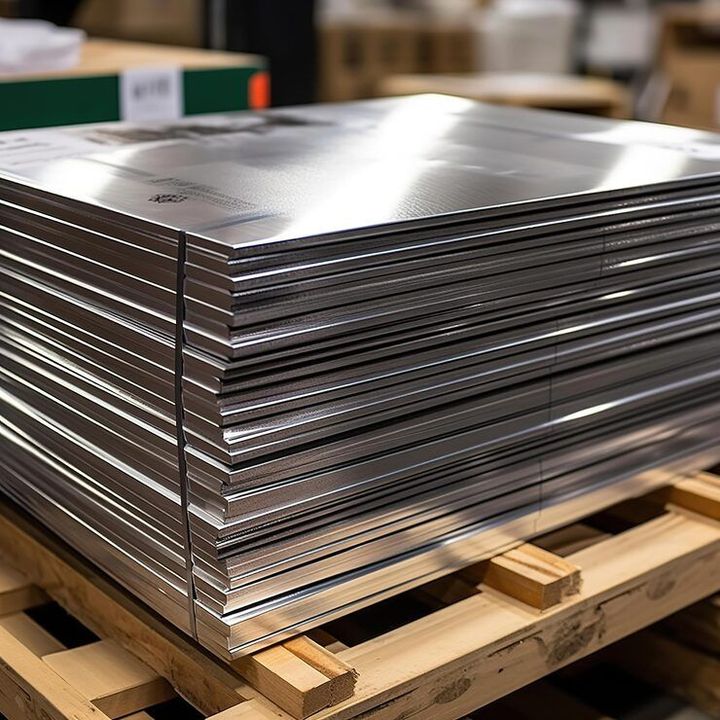
Aluminum sheets are flat, pre-cut pieces, while coils are continuous, rolled strips. The choice depends on whether the application requires customization or high-volume processing.
Which is more cost-effective: sheets or coils?
Coils are generally more cost-effective for large-scale production due to reduced waste and efficient processing. Sheets may be more practical for smaller projects.
Are aluminum coils harder to handle than sheets?
Yes, coils typically require specialized equipment for handling and processing, whereas sheets can often be managed manually.
Can aluminum coils be converted into sheets?
Yes, coils can be cut into sheets using appropriate machinery, offering flexibility in production.
Which format is better for construction projects?
It depends on the project scale. Sheets are suitable for smaller or customized tasks, while coils are preferred for large-scale, repetitive applications like roofing.
Conclusion
The comparison between aluminum sheets and aluminum coils highlights a clear distinction based on application scale, processing requirements, and cost efficiency. Sheets offer flexibility, ease of handling, and suitability for customized or small-scale projects. In contrast, coils provide significant advantages in large-scale manufacturing, including reduced waste, better cost efficiency, and compatibility with automated systems.
Industry trends and technological advancements increasingly favor aluminum coils, particularly in sectors focused on mass production and sustainability. However, aluminum sheets remain indispensable where precision and adaptability are required.
In practical terms, the choice should be guided by production volume, available machinery, and project complexity. For businesses aiming to optimize operations and reduce costs, coils are often the preferred option. For projects requiring flexibility and manual intervention, sheets remain the more suitable choice.