Construction Materials Explained: Types, Properties, Applications, Benefits, Safety Factors and Selection Considerations
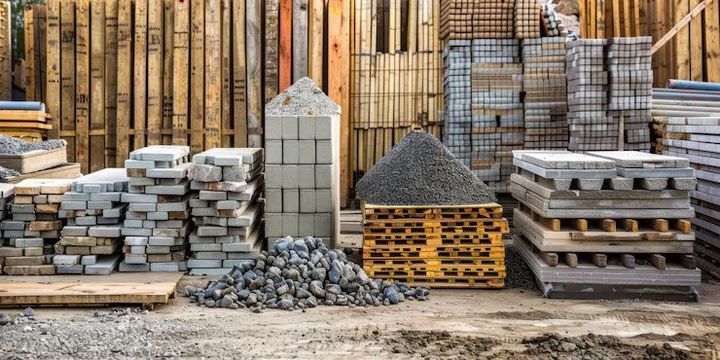
Construction materials are the physical substances used to create, support, protect, and finish buildings, roads, bridges, industrial facilities, and other structures. Common construction materials include concrete, cement, steel, brick, timber, glass, stone, aluminum, asphalt, insulation, and engineered materials. Understanding their properties helps explain why different materials are selected for foundations, walls, roofs, floors, structural frames, and other applications.
The use of construction materials has developed alongside human settlements and engineering. Early structures relied heavily on locally available stone, clay, timber, and natural fibers. Modern construction combines traditional materials with engineered products that are designed for particular structural, environmental, thermal, or architectural requirements.
Main Categories of Construction Materials
Construction materials can be broadly divided into several groups. Structural materials provide strength and support, while finishing materials are primarily used for surfaces and appearance. Insulation and protective materials help control heat, moisture, sound, corrosion, or fire exposure.
Some materials are used individually, while others are combined. Reinforced concrete, for example, combines concrete with steel reinforcement so that the resulting structural system can handle different types of loading.
Why Material Properties Matter
Every construction material has a particular set of physical and mechanical properties. Strength, density, durability, thermal conductivity, water absorption, fire behavior, flexibility, and resistance to environmental exposure can influence where a material is appropriate.
Material selection is therefore connected to the structure's design, location, expected loads, environmental conditions, construction methods, maintenance requirements, and applicable standards.
Importance
Construction materials directly affect the structural performance, durability, comfort, energy use, and maintenance requirements of buildings and infrastructure. Engineers, architects, contractors, manufacturers, inspectors, and property owners all interact with material choices at different stages of a construction project.
For the general public, understanding basic material characteristics can make construction terminology easier to understand. For example, concrete and steel perform different structural roles, while insulation, glass, and roofing materials address different building-envelope requirements.
Common Problems Addressed by Material Selection
Appropriate material selection can help address challenges such as structural loads, moisture exposure, temperature changes, corrosion, fire exposure, noise transmission, and wear.
A material that performs well in one environment may not be suitable in another. A material exposed to coastal conditions, for instance, may require different corrosion considerations from one used in a dry inland environment.
Construction Material Comparison
The following table provides a general comparison of commonly used materials:
| Material | Key properties | Common applications | Important considerations |
|---|---|---|---|
| Concrete | High compressive strength, durable | Foundations, columns, slabs, roads | Mix design, curing, cracking |
| Steel | High strength, ductility | Frames, reinforcement, bridges | Corrosion and fire protection |
| Brick | Durable, fire-resistant | Walls and facades | Water absorption and masonry design |
| Timber | Relatively lightweight, workable | Frames, roofs, interiors | Moisture, insects, fire |
| Glass | Transparent, rigid | Windows, facades, partitions | Breakage, thermal performance |
| Aluminum | Lightweight, corrosion-resistant | Frames, facades, roofing | Strength and thermal expansion |
| Asphalt | Flexible, weather-resistant | Roads and pavements | Temperature and traffic loading |
| Stone | Durable, high compressive strength | Cladding, walls, paving | Weight, installation, water behavior |
These characteristics are general and can vary substantially according to product composition, grade, manufacturing process, and installation method.
Recent Updates
From 2024 through 2026, construction material discussions have increasingly focused on durability, energy performance, resource efficiency, recycled content, and lower-emission manufacturing. These developments are occurring alongside broader changes in building codes, environmental standards, material testing, and digital construction practices.
Modern construction is also seeing greater interest in engineered timber, recycled aggregates, supplementary cementitious materials, advanced insulation, low-carbon concrete approaches, and materials designed for improved building-envelope performance.
Lower-Emission Material Development
Cement and concrete have received significant attention because cement production contributes substantially to global greenhouse-gas emissions. Current research and industrial development include alternative binders, supplementary cementitious materials, optimized concrete mixtures, carbon capture approaches, and greater use of recycled materials.
The suitability of these approaches depends on structural requirements, local standards, material availability, durability conditions, and project specifications.
Digital Material Information
Building information modeling and digital construction platforms are increasingly used to organize information about building components and materials. Digital product data can include dimensions, technical properties, environmental information, installation requirements, and maintenance information.
Material databases and environmental product declarations can also provide information that supports comparisons of environmental impacts, although the information must be interpreted according to the applicable assessment method.
Energy-Efficient Building Materials
Insulation, high-performance glazing, reflective roofing, airtight building-envelope components, and other materials can contribute to improved building energy performance. Their actual effect depends on the complete building design, climate, installation quality, ventilation, and mechanical systems.
Laws or Policies
Construction materials are subject to building codes, product standards, testing requirements, workplace safety rules, and environmental regulations. In India, the National Building Code of India provides a comprehensive framework covering various aspects of building construction, including structural design, fire safety, building services, construction practices, and related requirements.
The Bureau of Indian Standards develops Indian Standards for many construction products and materials. Standards can specify properties, dimensions, testing procedures, quality requirements, terminology, and other technical characteristics.
Structural Safety Requirements
Structural materials must be selected and used according to the applicable structural design requirements. Concrete, reinforcement steel, structural steel, masonry, timber, and other materials may be governed by different standards and design provisions.
The exact requirements depend on the type of structure, location, loading conditions, material, and applicable building regulations.
Fire Safety
Fire behavior is an important consideration for construction materials. Building regulations can establish requirements for fire resistance, fire separation, escape routes, structural protection, and material performance.
Materials should therefore be evaluated not only for their normal structural or architectural function but also for how they behave under elevated temperatures or fire exposure where applicable.
Worker Safety
Construction sites involve hazards associated with lifting, cutting, drilling, welding, dust, chemicals, working at height, and handling heavy materials. Applicable occupational safety requirements address different aspects of construction-site protection.
Material handling procedures should consider the weight, dimensions, stability, packaging, and mechanical hazards associated with individual products.
Tools and Resources
Several resources can help people understand construction materials and their technical characteristics.
Building Codes and Standards
National and regional building codes provide information about structural design, fire safety, accessibility, materials, and construction practices. In India, BIS standards and the National Building Code are important references for applicable construction requirements.
Material Data Sheets
Technical data sheets commonly provide information such as density, strength, thermal conductivity, water absorption, dimensions, temperature limits, and installation requirements. These documents are useful for understanding the characteristics of a particular material or product.
Environmental Product Declarations
Environmental Product Declarations, commonly known as EPDs, provide standardized environmental information for particular products. They can be used as part of environmental assessment and material comparison when the declarations follow the relevant standards and assessment methodology.
Selection Checklist
A general material-selection review can consider:
- Structural requirements
- Environmental exposure
- Fire performance
- Moisture resistance
- Thermal performance
- Acoustic requirements
- Durability
- Installation method
- Maintenance requirements
- Applicable standards
- Material availability
- Compatibility with surrounding materials
- Environmental characteristics
No single property should normally determine material selection. Several factors need to be considered together within the project's engineering and regulatory requirements.
FAQs
What are the main types of construction materials?
Common construction materials include concrete, steel, brick, timber, stone, glass, aluminum, asphalt, insulation, and engineered composite materials. Each category has different properties and applications.
How are construction materials selected?
Construction materials are selected according to factors such as structural loads, environmental exposure, durability, fire performance, thermal requirements, installation methods, applicable standards, and project design.
What properties are important in construction materials?
Important properties can include compressive and tensile strength, density, durability, water absorption, thermal conductivity, fire behavior, flexibility, corrosion resistance, and dimensional stability.
Which construction materials are used for structural applications?
Concrete, structural steel, reinforcement steel, timber, masonry, and engineered materials can be used for structural applications. The appropriate material depends on the structural system and engineering design.
Why is construction material safety important?
Construction material safety involves both the performance of materials within a structure and the safe handling of materials during construction. Factors such as fire behavior, structural strength, chemical exposure, dust, weight, and installation hazards may need consideration.
Conclusion
Construction materials provide the physical foundation for buildings, infrastructure, and many other structures. Their properties determine how they perform under structural loads, environmental exposure, temperature changes, moisture, fire, and everyday use. Current material development increasingly considers durability, resource efficiency, energy performance, and environmental impacts alongside conventional engineering requirements. Proper selection requires consideration of the project's design, applicable standards, environmental conditions, safety factors, and installation requirements.