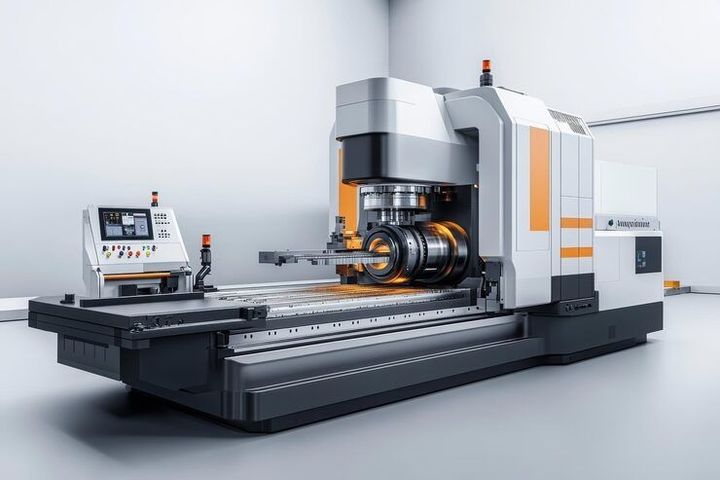
CNC Machines Guide: Tips, Insights, and Essential Knowledge for Modern Manufacturing

Computer Numerical Control (CNC) machines are automated manufacturing systems that use pre-programmed software and digital instructions to control machining tools. These machines perform tasks such as cutting, drilling, milling, grinding, and shaping materials with a high level of precision and repeatability.
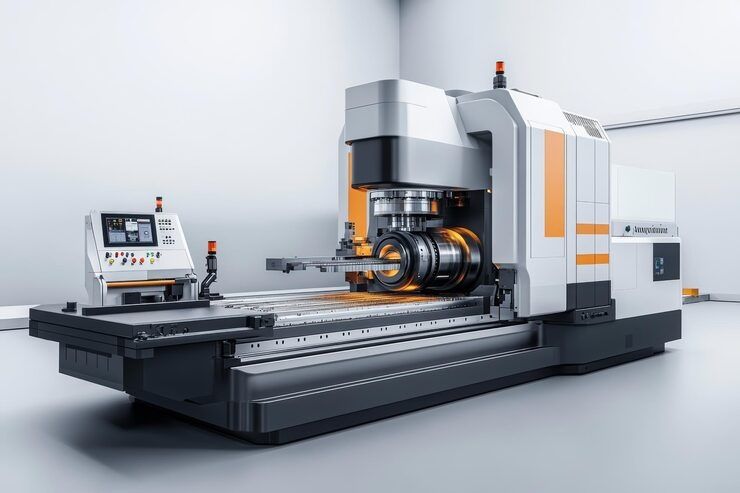

CNC technology has become a cornerstone of modern manufacturing because it enables companies to produce complex parts efficiently while reducing manual intervention. Industries such as aerospace, automotive, medical devices, electronics, defense, and industrial equipment rely heavily on CNC machining for quality control and production consistency.

The importance of CNC machines has grown significantly in recent years due to rising demand for precision manufacturing, labor shortages in skilled machining roles, and increased adoption of Industry 4.0 technologies. Manufacturers are integrating CNC equipment with automation, robotics, industrial sensors, and data analytics platforms to improve productivity and reduce operational costs.

As global supply chains continue evolving, CNC machining remains a critical technology that supports localized production, rapid prototyping, and advanced manufacturing capabilities across both developed and emerging economies.

Who CNC Machines Affect and What Problems They Solve

CNC machines impact a broad range of stakeholders throughout the manufacturing ecosystem. Machine operators, production managers, design engineers, quality control teams, and factory owners all depend on CNC systems to produce parts accurately and efficiently.

Small manufacturers often use CNC equipment to compete with larger organizations by achieving high-quality output without maintaining large labor forces. Large industrial enterprises use CNC technology to standardize production across multiple facilities and maintain consistent product quality.

Educational institutions and technical training centers also increasingly incorporate CNC technology into engineering and vocational programs to prepare workers for modern manufacturing careers.

Problems CNC Machines Solve

CNC machines address several common manufacturing challenges:

  • Reduce human error in repetitive machining operations
  • Improve dimensional accuracy and consistency
  • Increase production speed and throughput
  • Enable production of complex geometries
  • Minimize material waste
  • Reduce dependency on manual machining skills
  • Support rapid prototyping and product development
  • Improve workplace safety through automation
  • Enhance quality control and repeatability

By solving these issues, CNC technology helps manufacturers improve operational efficiency while maintaining strict quality standards.

Recent Updates and Industry Trends

The CNC machine industry has experienced several notable developments during the past year.

Growth of Smart Manufacturing

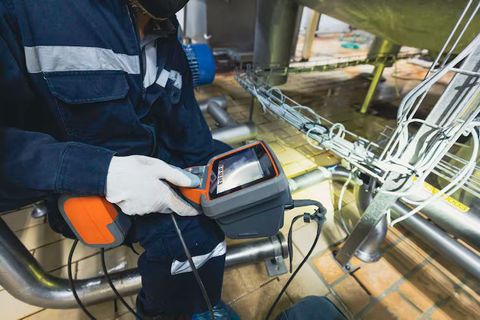
Manufacturers are increasingly connecting CNC machines to Industrial Internet of Things (IIoT) platforms. These systems collect real-time operational data, helping organizations monitor machine performance, predict maintenance needs, and reduce downtime.

Integration with Robotics

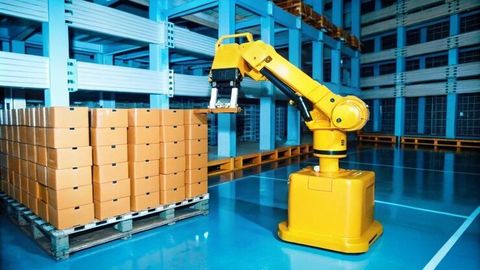
Many production facilities are combining CNC machines with robotic loading and unloading systems. This automation enables longer production runs and supports lights-out manufacturing operations where machines continue operating with minimal human supervision.

AI-Assisted Machining

Artificial intelligence and machine learning tools are being integrated into CNC software to optimize tool paths, improve cutting efficiency, and detect potential machining issues before they affect production.

Increased Demand for Multi-Axis Machines

Five-axis CNC machines continue gaining popularity because they can manufacture complex parts in fewer setups. This reduces production time while improving accuracy.

Supply Chain Resilience

Organizations are investing in domestic and regional manufacturing capabilities. CNC machining plays a key role in reshoring initiatives because it supports flexible and localized production.

Sustainability Initiatives

Manufacturers are exploring energy-efficient CNC systems, advanced coolant management, and optimized cutting strategies to reduce environmental impact while maintaining productivity.

CNC Machine Types and Comparison

CNC Machine TypePrimary FunctionCommon IndustriesAdvantagesLimitations
CNC Milling MachineCutting and shaping materialsAerospace, automotiveVersatile and preciseHigher setup complexity
CNC LatheRotational machiningAutomotive, metalworkingEfficient for cylindrical partsLimited shape flexibility
CNC RouterCutting wood, plastics, and compositesFurniture, signageFast and cost-effectiveLower precision than advanced milling
CNC Plasma CutterMetal cutting using plasmaConstruction, fabricationFast metal cuttingRougher finish quality
CNC Laser CutterPrecision cutting and engravingElectronics, manufacturingHigh accuracyHigher equipment cost
CNC EDM MachineElectrical discharge machiningTool and die manufacturingExcellent for hard materialsSlower machining speeds

General Benefits Comparison

FactorTraditional MachiningCNC Machining
PrecisionModerateHigh
RepeatabilityVariableConsistent
Labor RequirementsHigherLower
Production SpeedModerateHigh
Complex DesignsLimitedExcellent
Automation CapabilityLowHigh

Laws, Regulations, and Government Policies

The use of CNC machines is influenced by various regulations, safety requirements, and industrial policies.

Workplace Safety Regulations

Manufacturers operating CNC equipment must comply with workplace safety standards related to machine guarding, emergency stop systems, electrical safety, and operator training.

In many countries, occupational safety agencies require employers to implement risk assessments and provide proper personal protective equipment (PPE) when operating machining equipment.

Environmental Regulations

Metalworking operations often generate waste materials, coolants, and emissions. Environmental regulations may require:

  • Proper disposal of cutting fluids
  • Recycling of metal scrap
  • Air quality management systems
  • Wastewater treatment procedures

Industry Standards

Several international standards affect CNC manufacturing operations:

AreaTypical Standard Focus
Quality ManagementProcess consistency
Manufacturing QualityProduct traceability
Workplace SafetyMachine operation safety
Environmental ManagementSustainability practices

Government Manufacturing Programs

Many governments support advanced manufacturing through:

  • Equipment modernization incentives
  • Industrial automation grants
  • Workforce development programs
  • Technical training initiatives
  • Smart manufacturing adoption schemes

Practical Guidance

Organizations may consider different CNC solutions based on their needs:

SituationSuitable CNC Approach
Prototype DevelopmentCNC Milling
High-Volume ProductionAutomated CNC Cells
Complex Aerospace Parts5-Axis CNC Machines
Furniture ManufacturingCNC Routers
Precision ToolingEDM Machines
Metal FabricationPlasma or Laser Cutting

Tools and Resources for CNC Machine Users

Several tools and resources help manufacturers maximize CNC machine performance.

CAD Software

Computer-Aided Design (CAD) software enables engineers to create digital part designs before manufacturing.

Examples include:

  • AutoCAD
  • SolidWorks
  • Fusion 360

CAM Software

Computer-Aided Manufacturing (CAM) software converts design files into machine instructions.

Common functions include:

  • Toolpath generation
  • Machining simulation
  • Production optimization

CNC Simulators

Simulation tools help operators verify machining programs before actual production begins, reducing errors and material waste.

Online Learning Resources

Useful educational resources include:

  • Manufacturing training platforms
  • Technical certification programs
  • CNC programming tutorials
  • Engineering forums and communities

Productivity Tools

Manufacturers often use:

  • Tool life calculators
  • Machining time estimators
  • Material cost calculators
  • Maintenance scheduling systems
  • Production monitoring dashboards

Frequently Asked Questions

What is a CNC machine?

A CNC machine is a computer-controlled manufacturing system that automates machining operations such as cutting, drilling, milling, and shaping materials according to programmed instructions.

Why are CNC machines important in manufacturing?

They improve precision, consistency, productivity, and efficiency while reducing manual labor requirements and production errors.

Which industries use CNC machines the most?

Aerospace, automotive, medical device manufacturing, electronics, defense, industrial equipment, and furniture manufacturing are among the largest users of CNC technology.

Are CNC machines suitable for small businesses?

Yes. Many small manufacturers use CNC equipment to produce high-quality parts, improve efficiency, and compete effectively in specialized markets.

What is the difference between CNC milling and CNC turning?

CNC milling uses rotating cutting tools to shape stationary workpieces, while CNC turning rotates the workpiece and uses stationary cutting tools to create cylindrical components.

Conclusion

CNC machines have become one of the most important technologies in modern manufacturing. Their ability to deliver precision, repeatability, and automation makes them essential for industries that require high-quality production standards.

Recent trends—including smart manufacturing, robotics integration, AI-assisted machining, and multi-axis technology—continue expanding the capabilities of CNC systems. At the same time, safety regulations, environmental requirements, and workforce training initiatives are shaping how organizations implement these technologies.

For businesses seeking efficient production, complex part manufacturing, or scalable operations, CNC machines offer a practical and proven solution. The most suitable CNC system depends on production volume, material requirements, complexity of components, and long-term operational goals. Organizations that align machine capabilities with their manufacturing needs are generally best positioned to achieve productivity improvements and maintain competitive performance in an increasingly technology-driven industrial environment.