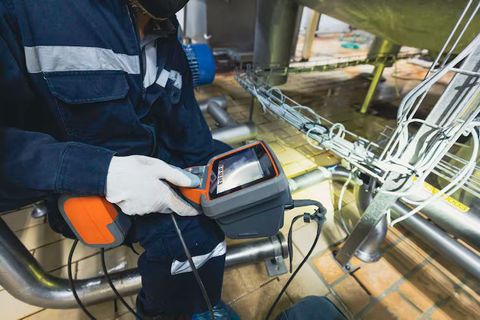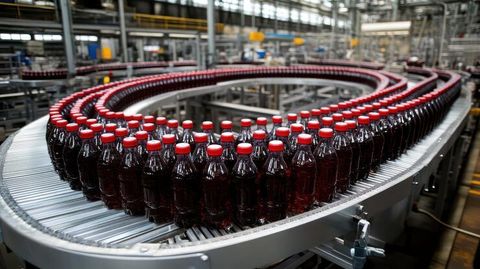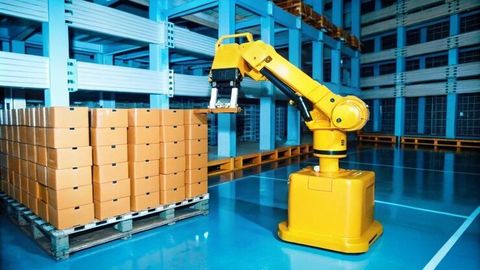
Energy efficiency in manufacturing refers to the ability of industrial facilities to produce goods while consuming less energy for the same or better output. It involves optimizing equipment, production processes, facility operations, and energy management systems to reduce waste and improve productivity.

The topic has become increasingly important as manufacturers face rising energy costs, stricter environmental regulations, and growing pressure to improve sustainability performance. Energy expenses can represent a significant portion of operational costs in energy-intensive industries such as steel, chemicals, cement, automotive production, food processing, and electronics manufacturing.
Recent advancements in industrial automation, smart sensors, artificial intelligence (AI), Industrial Internet of Things (IIoT), and energy monitoring systems have created new opportunities for manufacturers to identify inefficiencies and reduce energy consumption. Many organizations are also aligning energy-efficiency initiatives with broader environmental, social, and governance (ESG) goals.
As global industries work toward carbon reduction targets and operational resilience, energy efficiency is increasingly viewed not only as a sustainability initiative but also as a strategic business advantage. Understanding current trends, challenges, regulations, and available tools can help manufacturers make informed decisions that support long-term competitiveness.
Who It Affects and What Problems It Solves
Energy efficiency affects nearly every participant in the manufacturing ecosystem. Plant managers, operations teams, maintenance departments, sustainability officers, supply chain leaders, investors, regulators, and customers all have an interest in how efficiently a facility uses energy.
Manufacturing companies benefit directly through reduced operating costs and improved production performance. Employees may experience safer and more reliable working environments when equipment operates efficiently. Governments and communities benefit through lower greenhouse gas emissions and reduced pressure on energy infrastructure.
Modern manufacturing facilities often struggle with challenges such as aging equipment, inefficient production schedules, excessive energy waste, unplanned downtime, and fluctuating utility costs. These issues can reduce profitability and increase environmental impact.
Problems Energy Efficiency Helps Solve
| Challenge | How Energy Efficiency Helps |
|---|---|
| High energy costs | Reduces electricity, fuel, and utility expenses |
| Equipment inefficiency | Improves machine performance and reliability |
| Carbon emissions | Lowers environmental footprint |
| Production downtime | Enables predictive maintenance and monitoring |
| Regulatory compliance | Supports environmental and energy regulations |
| Resource waste | Improves utilization of energy and materials |
| Competitive pressure | Enhances operational productivity and margins |
| Energy supply risks | Improves resilience and energy security |
By addressing these challenges, manufacturers can improve both financial performance and sustainability outcomes.
Recent Updates and Industry Trends
The past year has seen significant developments in industrial energy efficiency. Several trends are influencing how manufacturers approach energy management.
Increased Adoption of Smart Manufacturing
Manufacturers are investing in connected technologies that provide real-time visibility into energy consumption. Smart sensors, cloud platforms, and IIoT devices allow organizations to monitor equipment performance and identify inefficiencies faster than traditional methods.
AI-Powered Energy Optimization
Artificial intelligence is increasingly being used to analyze operational data and recommend energy-saving actions. AI systems can optimize production schedules, adjust machine settings, and predict maintenance requirements to reduce unnecessary energy use.
Electrification of Industrial Processes
Many industries are exploring electrification as an alternative to fossil-fuel-powered processes. This trend is particularly visible in sectors seeking to reduce carbon emissions and improve sustainability metrics.
Focus on Decarbonization
Organizations worldwide continue to set carbon reduction goals. Energy efficiency is often considered the most cost-effective first step before investing in renewable energy generation or carbon offset initiatives.
Growth of Energy Management Systems
Standards-based energy management frameworks such as ISO 50001 continue to gain attention. These systems provide structured approaches for measuring, monitoring, and improving energy performance across manufacturing operations.
Digital Twins and Simulation Technology
Manufacturers are increasingly using digital twins to model production systems and evaluate energy-saving opportunities before implementing changes in physical facilities.
Energy Efficiency Improvement Areas in Manufacturing
Key Opportunities for Energy Savings
| Manufacturing Area | Common Efficiency Measures | Potential Benefits |
|---|---|---|
| Motors and Drives | Variable frequency drives (VFDs) | Lower electricity consumption |
| Compressed Air Systems | Leak detection and pressure optimization | Reduced energy waste |
| HVAC Systems | Smart controls and maintenance | Improved facility efficiency |
| Lighting | LED upgrades and automation | Lower power usage |
| Boilers and Steam Systems | Heat recovery and insulation | Reduced fuel consumption |
| Production Equipment | Process optimization | Increased output per energy unit |
| Refrigeration Systems | Advanced monitoring | Improved operational efficiency |
| Industrial Furnaces | Temperature control optimization | Reduced fuel use |
Energy Efficiency Impact Overview
| Area | Typical Impact Level |
|---|---|
| Process Optimization | High |
| Predictive Maintenance | High |
| Equipment Upgrades | High |
| Energy Monitoring | Medium-High |
| Employee Training | Medium |
| Lighting Improvements | Medium |
| Building Improvements | Medium |
| Administrative Controls | Low-Medium |
Laws, Regulations, and Government Programs
Energy efficiency initiatives are often influenced by national and regional regulations. While requirements vary by country, several common policy mechanisms affect manufacturers.
Energy Performance Standards
Governments frequently establish minimum efficiency standards for industrial equipment such as motors, boilers, pumps, and HVAC systems. Manufacturers purchasing new equipment may need to comply with these standards.
Carbon Reduction Policies
Many countries have introduced policies aimed at reducing industrial emissions. These policies encourage energy efficiency improvements as a practical way to lower carbon footprints.
Energy Auditing Requirements
Certain jurisdictions require large industrial facilities to conduct periodic energy audits. These assessments identify opportunities for reducing consumption and improving operational efficiency.
Incentive and Grant Programs
Governments often provide incentives such as:
- Tax benefits
- Low-interest financing
- Utility rebates
- Equipment upgrade incentives
- Sustainability grants
These programs can help offset the cost of efficiency projects.
ISO 50001 Energy Management Standard
Many organizations voluntarily adopt ISO 50001 to establish a systematic approach to energy management. The framework supports continuous improvement and can strengthen regulatory compliance efforts.
Practical Guidance
The most appropriate energy-efficiency strategy depends on the manufacturing environment:
| Situation | Recommended Approach |
|---|---|
| Aging equipment | Equipment modernization |
| Rising utility costs | Energy monitoring and optimization |
| Carbon reduction goals | Process efficiency and electrification |
| Frequent downtime | Predictive maintenance solutions |
| Regulatory compliance needs | Energy audits and management systems |
| New facility design | Efficiency-focused facility planning |
Organizations should evaluate both short-term savings opportunities and long-term strategic investments.
Tools and Resources
Numerous tools and resources can help manufacturers improve energy performance.
Energy Monitoring Platforms
- Industrial Energy Management Systems (EMS)
- Smart metering solutions
- Utility analytics dashboards
- Real-time energy monitoring software
Industrial Analytics Tools
- Predictive maintenance platforms
- AI-powered optimization software
- Production efficiency dashboards
- Process simulation tools
Assessment Resources
- Energy audit templates
- Equipment benchmarking tools
- Carbon footprint calculators
- Sustainability reporting frameworks
Industry Standards and Frameworks
- ISO 50001 Energy Management
- ISO 14001 Environmental Management
- Energy Star industrial resources
- Manufacturing sustainability frameworks
Useful Data Sources
- National energy agencies
- Utility company efficiency programs
- Manufacturing associations
- Industrial benchmarking databases
Recommended Metrics to Track
| Metric | Purpose |
|---|---|
| Energy Consumption | Overall usage measurement |
| Energy Intensity | Energy per unit produced |
| Carbon Emissions | Environmental impact |
| Equipment Efficiency | Operational performance |
| Downtime Frequency | Reliability measurement |
| Utility Cost per Unit | Financial performance |
| Peak Demand Usage | Demand management |
Tracking these metrics regularly can help organizations identify opportunities and measure progress over time.
Frequently Asked Questions
What is energy efficiency in manufacturing?
Energy efficiency in manufacturing involves producing goods using less energy while maintaining or improving output quality, productivity, and operational performance.
Why is energy efficiency important for manufacturers?
It helps reduce operating costs, improve competitiveness, support sustainability goals, and comply with environmental regulations.
Which manufacturing systems consume the most energy?
Common high-energy systems include motors, compressed air systems, boilers, furnaces, refrigeration units, HVAC systems, and production machinery.
How can manufacturers improve energy efficiency?
Organizations can improve efficiency through equipment upgrades, predictive maintenance, process optimization, energy monitoring systems, employee training, and automation technologies.
Does energy efficiency contribute to sustainability goals?
Yes. Reduced energy consumption generally leads to lower greenhouse gas emissions, improved resource utilization, and stronger environmental performance.
Conclusion
Energy efficiency has become a central component of modern manufacturing strategy. Rising energy costs, increasing sustainability expectations, and evolving regulatory requirements have encouraged manufacturers to prioritize energy performance improvements across facilities and production systems.
Current industry trends show growing adoption of smart manufacturing technologies, AI-driven optimization, predictive maintenance, and structured energy management programs. These approaches help organizations reduce waste, improve operational reliability, and strengthen long-term competitiveness.
The most effective energy-efficiency initiatives combine data-driven monitoring, process optimization, equipment modernization, and continuous improvement practices. While specific opportunities vary by industry and facility type, organizations that systematically measure and manage energy performance are generally better positioned to control costs and support sustainability objectives.
For most manufacturers, the recommended approach is to begin with energy monitoring and assessment, identify high-impact improvement areas, and implement efficiency measures that align with operational goals, regulatory requirements, and future growth plans.