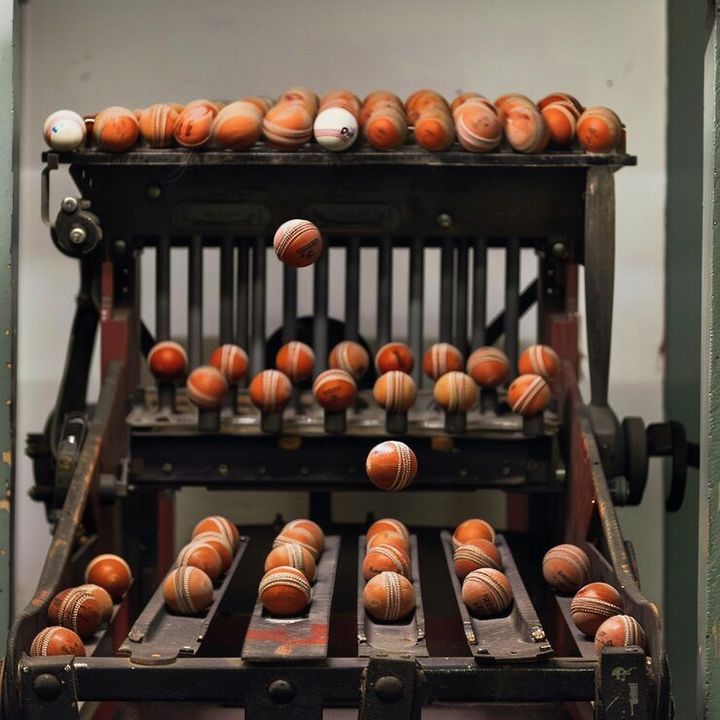
Ball mills are among the most widely used grinding machines in industrial processing. They are designed to reduce the size of materials by rotating a cylindrical shell filled with grinding media such as steel balls, ceramic balls, or other specialized materials. As the cylinder rotates, the grinding media impacts and grinds the material into finer particles.

The importance of understanding ball mill features has increased significantly in recent years due to rising demand for efficiency, sustainability, and precision across industries such as mining, cement production, power generation, chemicals, and mineral processing. Manufacturers and plant operators are continuously seeking equipment that delivers higher throughput while reducing energy consumption and maintenance costs.
Industrial modernization, digital monitoring systems, and stricter environmental requirements have also influenced the evolution of ball mill technology. Today's ball mills often incorporate advanced control systems, improved liner designs, and optimized grinding media configurations to enhance productivity. Understanding key ball mill features helps organizations select appropriate equipment, improve operational performance, and support long-term production goals.
Who It Affects and What Problems It Solves
Ball mills affect a wide range of industries where particle size reduction is a critical process. Mining companies rely on ball mills to grind ores before mineral extraction. Cement manufacturers use them to process clinker and raw materials. Chemical plants, ceramics manufacturers, and power generation facilities also depend on ball milling systems for efficient material preparation.
Engineers, plant managers, maintenance teams, procurement professionals, and production planners are among the stakeholders who regularly evaluate ball mill performance. Their decisions influence production efficiency, operational costs, and product quality.
Problems Ball Mills Solve
Ball mills address several industrial challenges:
- Reduce large material particles into fine powders.
- Improve material uniformity and consistency.
- Increase surface area for chemical reactions.
- Support mineral liberation during ore processing.
- Enable controlled particle size distribution.
- Process both dry and wet materials.
- Handle a wide variety of raw materials.
- Improve downstream manufacturing efficiency.
- Support large-scale industrial production requirements.
- Enhance product quality across multiple industries.
Without effective grinding equipment, many industrial processes would experience reduced efficiency, inconsistent output quality, and increased operational costs.
Recent Updates and Industry Trends
The ball mill industry has experienced several notable developments over the past year as organizations focus on productivity, automation, and sustainability.
Increased Energy Efficiency Focus
Grinding operations can account for a significant portion of energy consumption in mining and cement facilities. As a result, manufacturers are introducing improved liner geometries, optimized grinding media designs, and advanced drive systems aimed at reducing energy usage while maintaining throughput.
Digital Monitoring and Predictive Maintenance
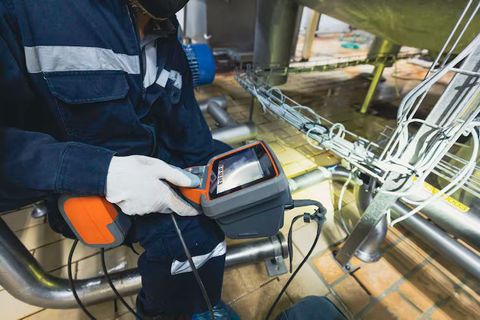
Modern ball mills increasingly incorporate sensors and monitoring technologies. These systems collect operational data related to:
- Vibration levels
- Temperature
- Motor performance
- Bearing condition
- Grinding efficiency
Predictive maintenance strategies help reduce unexpected downtime and extend equipment life.
Sustainable Manufacturing Initiatives
Environmental considerations continue to influence equipment selection. Many facilities are upgrading grinding systems to reduce power consumption, minimize waste generation, and improve overall process efficiency.
Integration with Smart Factories
Industrial facilities adopting Industry 4.0 practices are integrating ball mills into centralized monitoring platforms. This enables real-time performance analysis, remote diagnostics, and automated process optimization.
Advanced Grinding Media Development
Manufacturers are investing in wear-resistant materials and specialized grinding media that offer longer service life and improved grinding performance, helping reduce operational expenses.
Ball Mill Features Comparison Table
| Feature | Description | Operational Benefit |
|---|---|---|
| Rotating Cylindrical Shell | Main grinding chamber | Enables continuous grinding |
| Grinding Media | Steel, ceramic, or alloy balls | Effective particle size reduction |
| Variable Speed Control | Adjustable rotational speed | Improved process optimization |
| Wet and Dry Grinding Capability | Supports multiple processing methods | Greater operational flexibility |
| Durable Liners | Protect internal shell surfaces | Reduced wear and maintenance |
| Large Processing Capacity | Suitable for industrial-scale production | Higher throughput |
| Automated Control Systems | Digital monitoring and control | Better efficiency and consistency |
| Closed-Circuit Operation | Works with classifiers | Improved particle size control |
| High Reliability | Proven industrial technology | Reduced downtime |
| Customizable Design | Configurable for specific applications | Industry-specific optimization |
Common Ball Mill Performance Factors
| Factor | Impact on Performance |
|---|---|
| Mill Speed | Influences on grinding efficiency |
| Ball Size | Affects particle reduction rate |
| Feed Material Size | Determines grinding workload |
| Grinding Media Loading | Impacts throughput |
| Liner Design | Influences energy transfer |
| Material Hardness | Affects wear and processing time |
| Moisture Content | Impacts grinding behavior |
| Operating Temperature | Influences equipment longevity |
Key Ball Mill Features Explained
Robust Grinding Mechanism
The primary feature of a ball mill is its ability to generate impact and attrition forces simultaneously. This combination provides efficient size reduction across various material types.
Versatile Material Processing
Ball mills can process:
- Limestone
- Cement clinker
- Iron ore
- Copper ore
- Coal
- Ceramic materials
- Chemical compounds
- Industrial minerals
Flexible Grinding Modes
Many ball mills support both wet and dry grinding operations, allowing facilities to adapt equipment to specific production requirements.
High Production Capacity
Industrial ball mills are available in various sizes, ranging from laboratory units to large-scale systems capable of processing hundreds of tons per hour.
Long Equipment Lifespan
Properly maintained ball mills can operate reliably for many years. Heavy-duty construction and replaceable wear components contribute to extended service life.
Compatibility with Automation Systems
Modern ball mills often integrate with:
- SCADA systems
- Distributed Control Systems (DCS)
- Industrial Internet of Things (IIoT) platforms
- Predictive maintenance software
Ball Mill Performance Illustration
Relative Impact of Key Operational Factors
| Operational Factor | Influence Level |
|---|---|
| Grinding Media Selection | ██████████ |
| Mill Speed Optimization | █████████ |
| Feed Size Control | ████████ |
| Liner Configuration | ███████ |
| Material Characteristics | ███████ |
| Automation Controls | ██████ |
| Maintenance Practices | █████████ |
The illustration highlights that grinding media selection, speed optimization, and maintenance practices are among the most influential factors affecting ball mill performance.
Laws, Regulations, and Industrial Policies
Ball mill operations are influenced by several regulatory and policy frameworks, particularly in mining, manufacturing, and heavy industry sectors.
Workplace Safety Regulations
Industrial facilities must comply with occupational safety requirements that address:
- Machine guarding
- Noise exposure
- Dust control
- Lockout/tagout procedures
- Worker training programs
Environmental Compliance
Grinding operations often fall under environmental regulations related to:
- Dust emissions
- Energy efficiency
- Waste management
- Air quality standards
Many countries have introduced stricter emissions controls for industrial facilities, encouraging investment in more efficient grinding technologies.
Mining Sector Regulations
Mining operations utilizing ball mills must often comply with requirements covering:
- Mineral processing activities
- Environmental impact assessments
- Water management
- Tailings handling
Energy Efficiency Programs
Governments worldwide are encouraging industrial modernization through:
- Energy management initiatives
- Carbon reduction programs
- Sustainable manufacturing incentives
- Industrial efficiency improvement frameworks
Practical Guidance
Ball mill selection should consider:
| Situation | Recommended Focus |
|---|---|
| Mining Operations | Throughput and durability |
| Cement Production | Energy efficiency |
| Chemical Processing | Particle size precision |
| Laboratory Testing | Flexibility and control |
| High-Wear Applications | Advanced liner systems |
| Automated Plants | Smart monitoring integration |
Tools and Resources
The following tools and resources can help organizations evaluate, operate, and optimize ball mill systems.
Engineering and Design Tools
- Process simulation software
- Grinding circuit design tools
- CAD engineering platforms
- Equipment sizing calculators
Monitoring and Maintenance Solutions
- Vibration analysis systems
- Predictive maintenance platforms
- Condition monitoring sensors
- Equipment performance dashboards
Industry Standards and References
- ISO industrial equipment standards
- Mining engineering handbooks
- Cement manufacturing guidelines
- Mineral processing reference manuals
Useful Calculation Resources
- Ball charge calculators
- Mill speed calculators
- Power consumption estimators
- Throughput analysis tools
Training Resources
- Industrial maintenance courses
- Mining engineering programs
- Process optimization workshops
- Equipment manufacturer training materials
Frequently Asked Questions
What is the primary purpose of a ball mill?
A ball mill reduces material size through impact and grinding actions generated by rotating grinding media inside a cylindrical chamber.
Which industries commonly use ball mills?
Mining, cement manufacturing, power generation, chemical processing, ceramics, and mineral processing industries frequently use ball mills.
What are the main advantages of a ball mill?
Key advantages include versatility, high processing capacity, reliable operation, adaptability to different materials, and suitability for both wet and dry grinding.
How does ball mill speed affect performance?
Mill speed directly influences grinding efficiency. Excessively low or high speeds can reduce grinding effectiveness and increase energy consumption.
Can modern ball mills support automation?
Yes. Many modern ball mills integrate with digital monitoring systems, predictive maintenance platforms, and industrial automation solutions for improved operational control.
Conclusion
Ball mills remain a foundational technology in industrial grinding and material processing. Their ability to efficiently reduce particle size, process diverse materials, and support large-scale production makes them essential across mining, cement, chemical, and manufacturing sectors.
Recent industry developments have focused on energy efficiency, digital monitoring, predictive maintenance, and sustainable operations. Organizations increasingly prioritize ball mills that deliver improved throughput while reducing operational costs and environmental impact.
The most valuable ball mill features include robust grinding performance, flexible operation, automation compatibility, high durability, and scalable production capacity. For facilities seeking long-term operational efficiency, selecting a ball mill based on material characteristics, throughput requirements, maintenance considerations, and regulatory compliance remains the most effective approach.
As industrial operations continue adopting smart manufacturing technologies, advanced ball mills equipped with data-driven optimization capabilities are expected to play an even greater role in improving productivity and sustainability.