Axial Compressor Knowledge Hub: Tips, Resources, and Performance Analysis
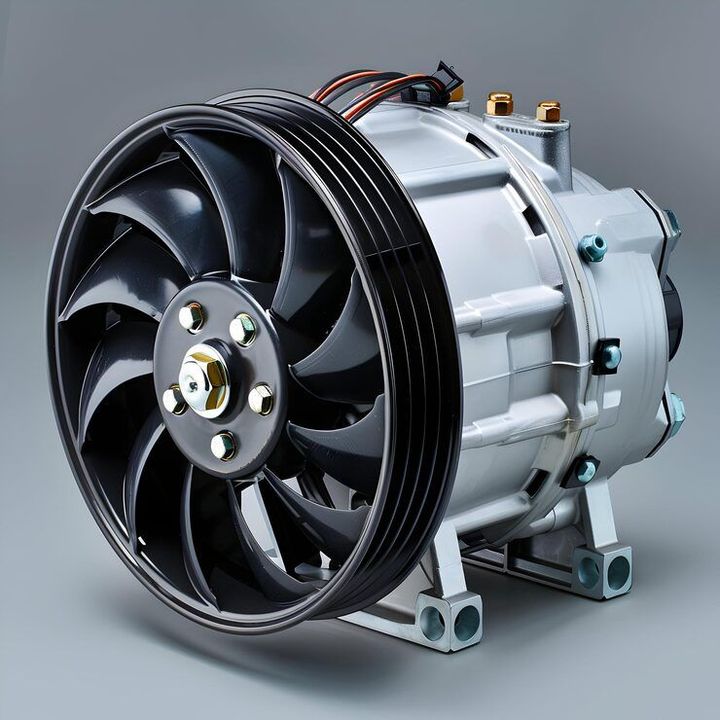
An axial compressor is a critical component used in gas turbines, jet engines, and industrial processing systems to compress air or gas by accelerating it along the axis of rotation. Unlike centrifugal compressors, which move fluid outward, axial compressors use multiple rotating and stationary blade rows to progressively increase pressure while maintaining high flow rates. Their design allows for efficient handling of large volumes of air, making them essential in aerospace, power generation, and oil & gas industries.
In recent years, axial compressors have gained increased attention due to rising demand for energy efficiency and reduced emissions. As industries push toward cleaner and more sustainable operations, compressor performance directly influences fuel consumption and operational costs. Advances in materials, blade aerodynamics, and digital monitoring systems have significantly improved efficiency and reliability.
The comparison and understanding of axial compressor technology matter today because industries are transitioning toward high-efficiency systems and predictive maintenance models. With growing global energy demand and stricter environmental regulations, optimizing compressor performance has become a strategic priority across sectors.
Who It Affects and What Problems It Solves
Axial compressors impact a wide range of stakeholders, including aerospace engineers, power plant operators, manufacturing industries, and maintenance professionals. In aviation, they are vital for jet engine performance, directly affecting thrust, fuel efficiency, and emissions. In power generation, they influence the efficiency of gas turbines, which are widely used for electricity production.
Industrial sectors such as petrochemicals and refineries also rely heavily on axial compressors for continuous processing operations. Engineers and plant managers depend on their performance for stable production output, while maintenance teams focus on minimizing downtime and ensuring operational safety.
Problems It Solves
- Enables high-volume airflow compression required for turbines and jet engines
- Improves fuel efficiency by maintaining optimal pressure ratios
- Reduces energy consumption in industrial processes
- Supports continuous and stable operation in large-scale systems
- Enhances performance in high-speed and high-temperature environments
- Enables compact design compared to multiple smaller compression systems
Without axial compressors, modern aviation and large-scale energy production systems would struggle to achieve required efficiency and performance standards.
Recent Updates and Industry Trends
The past year has seen several notable developments in axial compressor technology, driven by sustainability goals and digital transformation:
- Advanced Materials: Manufacturers are increasingly using composite materials and high-temperature alloys to improve durability and reduce weight.
- Digital Twin Technology: Real-time monitoring and simulation models allow predictive maintenance, reducing unexpected failures.
- AI-Based Optimization: Machine learning algorithms are being used to optimize blade design and airflow patterns.
- Hydrogen Compatibility: With the shift toward hydrogen fuel, axial compressors are being redesigned to handle different gas properties safely.
- Efficiency Improvements: Incremental aerodynamic improvements in blade geometry have led to measurable gains in pressure ratio and efficiency.
These updates reflect a broader trend toward smarter, cleaner, and more efficient industrial systems.
Axial Compressor vs Other Compressor Types
| Parameter | Axial Compressor | Centrifugal Compressor | Reciprocating Compressor |
|---|---|---|---|
| Flow Direction | Parallel to the shaft | Radial (outward) | Back-and-forth piston motion |
| Flow Capacity | Very high | Moderate | Low to moderate |
| Pressure Ratio | Moderate per stage | High per stage | Very high |
| Efficiency | High (at design conditions) | High | Very high |
| Size and Weight | Compact for high flow | Bulkier | Heavy and large |
| Maintenance | Complex | Moderate | High |
| Applications | Jet engines, gas turbines | HVAC, process industries | High-pressure systems |
| Cost | High initial investment | Moderate | High operational cost |
This comparison highlights that axial compressors are best suited for high-flow, continuous operations, while other types serve niche or high-pressure applications.
Laws, Regulations, and Policy Impact
Axial compressor usage and design are influenced by various environmental and industrial regulations, particularly in the energy and aviation sectors. Governments and regulatory bodies have introduced standards to improve efficiency and reduce emissions.
Key Regulatory Areas
- Emission Standards: Gas turbines using axial compressors must comply with emission norms related to CO₂ and NOx output.
- Energy Efficiency Mandates: Many countries enforce minimum efficiency standards for industrial equipment.
- Aviation Safety Regulations: Strict certification requirements ensure reliability and safety in aircraft engines.
- Environmental Policies: Policies promoting cleaner fuels (such as hydrogen) influence compressor design requirements.
Practical Guidance
- Use axial compressors in applications requiring continuous high airflow, such as turbines and jet propulsion.
- For industries under strict emission regulations, invest in high-efficiency compressor designs with advanced monitoring systems.
- Ensure compliance with local standards by selecting equipment that meets certified efficiency benchmarks.
- In emerging hydrogen-based systems, choose compressors specifically designed for gas compatibility and safety.
Tools and Resources
Professionals working with axial compressors can benefit from various tools and resources to improve design, analysis, and maintenance:
Engineering and Simulation Tools
- Computational Fluid Dynamics (CFD) software for airflow analysis
- Finite Element Analysis (FEA) tools for structural integrity
- Digital twin platforms for real-time monitoring
Performance and Calculation Tools
- Compressor performance calculators
- Thermodynamic analysis software
- Efficiency benchmarking tools
Learning and Reference Resources
- Engineering textbooks on turbomachinery
- Industry whitepapers and research journals
- Online courses on gas turbine technology
Maintenance and Monitoring Solutions
- Vibration analysis tools
- Predictive maintenance software
- Sensor-based monitoring systems
These resources help engineers optimize performance, reduce downtime, and ensure long-term reliability.
Frequently Asked Questions (FAQ)
What is an axial compressor, and how does it work?
An axial compressor compresses air by passing it through multiple stages of rotating and stationary blades, increasing pressure gradually along the axis of rotation.
Where are axial compressors commonly used?
They are widely used in jet engines, gas turbines, power plants, and large-scale industrial processes requiring high airflow.
What are the advantages of axial compressors?
They offer high efficiency, compact design for large airflow, and suitability for continuous operation in high-speed systems.
What are the limitations of axial compressors?
They are complex, expensive to manufacture, and sensitive to operating conditions such as airflow disruption and blade damage.
How do axial compressors improve energy efficiency?
By maintaining optimal pressure ratios and airflow, they reduce fuel consumption and improve overall system performance.
Conclusion
Axial compressors play a foundational role in modern engineering systems, particularly where high airflow and continuous operation are required. Their efficiency and performance directly influence fuel consumption, operational costs, and environmental impact. Compared to other compressor types, axial compressors excel in large-scale applications but require precise design and maintenance.
Recent advancements in materials, digital monitoring, and AI-driven optimization have further enhanced their capabilities. As industries move toward sustainability and stricter regulatory compliance, axial compressors will continue to evolve, particularly in areas such as hydrogen energy and smart maintenance systems.
From a data-driven perspective, organizations that invest in high-efficiency axial compressors and predictive maintenance technologies are better positioned to reduce costs and meet environmental targets. The clear recommendation is to adopt advanced compressor systems aligned with operational scale, efficiency goals, and regulatory requirements.