Construction Machinery Explanation: Key Types, Functions, and Insights
Construction machinery refers to heavy-duty equipment specifically designed for executing construction tasks such as excavation, lifting, material handling, and site preparation. These machines include excavators, loaders, bulldozers, cranes, graders, and more. Each type serves a distinct function, contributing to improved productivity, safety, and precision in construction projects.
In recent years, comparing construction machinery has become increasingly important due to rapid technological advancements, rising infrastructure demands, and the need for cost-efficient operations. Decision-makers now evaluate machinery not just on performance, but also on fuel efficiency, environmental impact, automation capabilities, and lifecycle costs.
The construction sector has experienced a shift toward smart equipment, with telematics, IoT integration, and semi-autonomous systems becoming more common. Additionally, sustainability trends—such as electric and hybrid construction machines—are influencing purchasing decisions. Governments and private contractors alike are focusing on reducing emissions while maintaining high operational efficiency.
Understanding the differences between machinery types helps stakeholders select the right equipment for specific tasks, avoid unnecessary costs, and improve project timelines. This guide provides a structured, data-driven comparison to support informed decisions in modern construction environments.
Who It Affects and What Problems It Solves
Construction machinery impacts a wide range of stakeholders, including contractors, project managers, engineers, equipment operators, and infrastructure planners. For contractors, selecting the right machinery directly influences project efficiency and profitability. Engineers rely on accurate equipment capabilities to plan timelines and structural execution. Operators depend on machinery ergonomics and safety features to perform tasks effectively.
Small and medium-sized construction firms often face challenges in choosing between renting and purchasing equipment, while large-scale infrastructure projects must optimize fleets for maximum productivity. Additionally, government agencies overseeing public works projects require machinery that complies with environmental and safety standards.
Problems It Solves
- Manual labor limitations: Machinery replaces time-consuming and physically demanding tasks.
- Project delays: High-performance equipment accelerates construction timelines.
- Precision issues: Advanced machinery ensures accurate grading, lifting, and excavation.
- Safety concerns: Modern equipment reduces workplace risks through automation and safety features.
- Operational inefficiency: Specialized machines improve task-specific productivity.
Recent Updates and Industry Trends
Over the past year, several notable trends have shaped the construction machinery landscape:
- Electrification of Equipment: Manufacturers are introducing electric excavators and loaders to reduce carbon emissions and comply with environmental regulations.
- Telematics and Data Analytics: Real-time monitoring systems allow fleet managers to track fuel usage, maintenance schedules, and machine performance.
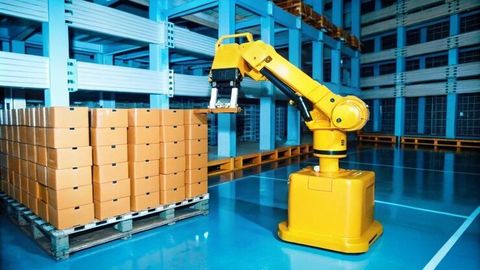
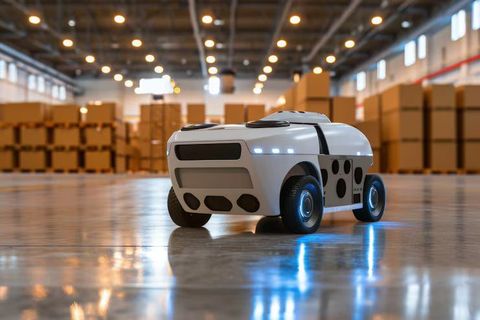
- Automation and AI Integration: Semi-autonomous machinery is being deployed for repetitive tasks like grading and excavation, improving efficiency and consistency.
- Rental Market Growth: Rising equipment costs have increased demand for rental services, especially among smaller firms.
- Sustainability Focus: Governments are encouraging low-emission equipment through incentives and regulations.
These developments highlight a shift toward smarter, cleaner, and more efficient construction operations.
Comparison of Common Construction Machinery
| Machinery Type | Primary Function | Key Advantages | Limitations | Best Use Case |
|---|---|---|---|---|
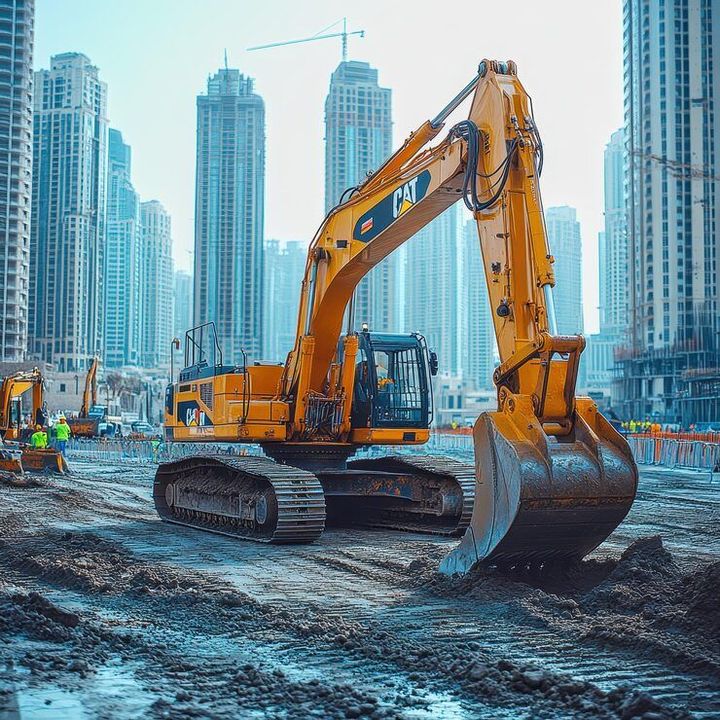
| Excavator | Digging, trenching | High precision, versatile attachments | High cost | Foundation work |
| Bulldozer | Pushing materials | Strong power, durable | Limited precision | Land clearing |
| Loader | Material handling | Fast loading, mobility | Lower digging depth | Transporting materials |
| Crane | Lifting heavy loads | High reach, lifting capacity | Requires skilled operation | High-rise construction |
| Grader | Surface leveling | Smooth finishing | Limited multi-functionality | Road construction |
| Backhoe Loader | Dual-purpose (dig & load) | Versatile, compact | Less powerful than specialized machines | Small to medium projects |
Laws and Policies Affecting Construction Machinery
Construction machinery operations are influenced by national and regional regulations, particularly in countries like India, where infrastructure development is rapidly expanding.
Key Regulatory Areas
- Emission Standards: Equipment must comply with Bharat Stage (BS) emission norms to control pollution.
- Safety Regulations: Machinery must meet safety standards set by authorities such as labor departments and construction safety boards.
- Operator Certification: Skilled operators often require certification to handle heavy machinery.
- Import and Manufacturing Policies: Government initiatives like “Make in India” encourage domestic production of construction equipment.
Practical Guidance
- For urban projects, choose low-emission or electric machinery to meet environmental compliance.
- For large infrastructure projects, prioritize equipment with advanced safety and monitoring systems.
- For small-scale operations, consider multipurpose machines like backhoe loaders to reduce costs.
Tools and Resources
Several tools and resources can assist in selecting and managing construction machinery effectively:
- Fleet Management Software: Helps track machine usage, maintenance, and fuel efficiency
- Equipment Cost Calculators: Estimate total ownership cost, including maintenance and depreciation
- Telematics Systems: Provide real-time data on machine performance
- Construction Planning Software: Tools like project management platforms for scheduling and resource allocation
- Industry Reports and Databases: Offer insights into market trends and equipment performance benchmarks
- Government Portals: Provide updates on regulations, subsidies, and compliance requirements
These resources enable data-driven decision-making and improve operational efficiency.
Frequently Asked Questions
What is the most commonly used construction machine?
Excavators are widely used due to their versatility in digging, trenching, and demolition tasks.
How do I choose the right construction machinery?
Selection depends on project size, task requirements, budget, and site conditions. Evaluating performance metrics and lifecycle costs is essential.
Are electric construction machines practical?
Electric machinery is becoming more viable, especially for urban projects, due to lower emissions and reduced noise levels. However, availability and charging infrastructure may vary.
What is the difference between a loader and a bulldozer?
Loaders are designed for lifting and transporting materials, while bulldozers are used for pushing and leveling surfaces.
Is renting better than buying construction equipment?
Renting is suitable for short-term or specialized needs, while purchasing is more cost-effective for long-term, frequent use.
Conclusion
Construction machinery plays a critical role in modern infrastructure development, offering efficiency, precision, and scalability across projects. The comparison of equipment types reveals that no single machine fits all use cases; instead, the optimal choice depends on project requirements, cost considerations, and regulatory compliance.
Recent trends indicate a clear movement toward automation, electrification, and data-driven operations. These advancements are not only improving productivity but also addressing environmental and safety concerns.
From a practical standpoint, contractors and planners should prioritize versatility, lifecycle cost analysis, and compliance with evolving regulations when selecting machinery. For smaller projects, multipurpose equipment provides flexibility, while large-scale operations benefit from specialized, high-capacity machines.
A well-informed approach to construction machinery selection leads to better project outcomes, reduced operational risks, and improved long-term efficiency.