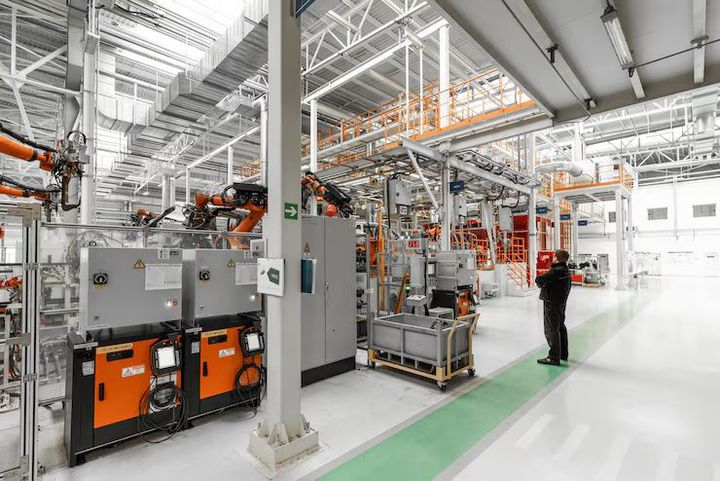
The Industrial Revolution: A Complete Guide to Its History and Effects
The Industrial Revolution was one of the most important periods in human history. It transformed the way people lived, worked, and produced goods. Before this period, most items were made by hand, and many people lived in rural communities where farming was the main source of livelihood.
Over time, new machines, factories, and methods of production changed societies across the world.
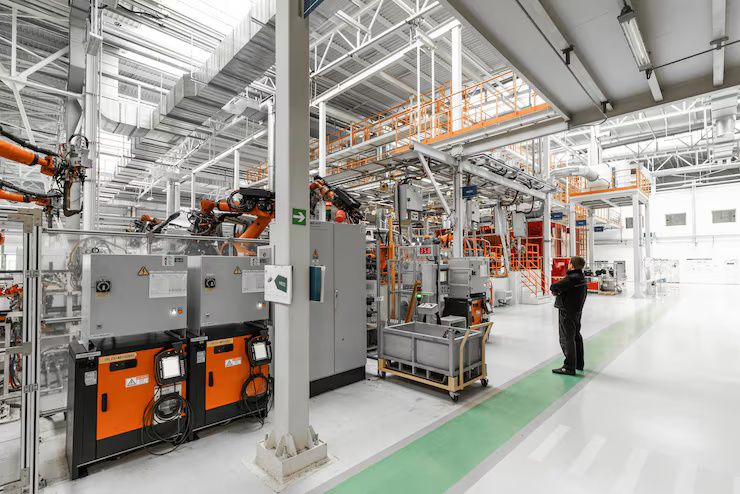
The Industrial Revolution began in Great Britain during the late 18th century and gradually spread to Europe, North America, and other regions. Its effects can still be seen today in modern transportation, manufacturing, communication, and daily life. Understanding this period helps explain how the modern world developed.
What Was the Industrial Revolution?
The Industrial Revolution was a period of rapid industrial growth and technological change. Historians generally place its beginning around the 1760s and its continuation into the 19th century. During this time, production shifted from small workshops and homes to large factories powered by machines.
Before industrialization, people relied heavily on manual labor and simple tools. Production was often slow and limited. The introduction of machinery allowed goods to be produced faster and in larger quantities. This change increased productivity and transformed economies.
The term “Industrial Revolution” describes not just new machines but also major social and economic changes. Cities grew, transportation improved, and new industries emerged, creating a different way of life for millions of people.
Why Did It Begin in Great Britain?
Several factors helped Great Britain become the birthplace of the Industrial Revolution.
One reason was its access to natural resources such as coal and iron. Coal became an important source of energy, while iron was used to build machines, railways, and tools. Britain also had a growing population, which created demand for goods and provided workers for factories.
Another factor was the country's strong trade networks. Goods and raw materials moved through ports and markets, supporting industrial growth. In addition, political stability and investment in innovation encouraged inventors and entrepreneurs to experiment with new ideas.
These conditions created an environment where technological advances could develop and spread quickly.
Important Inventions of the Industrial Revolution
Many inventions played a major role in transforming industries.
The Steam Engine
One of the most influential inventions was the steam engine. Although early versions existed before the Industrial Revolution, improvements made by James Watt greatly increased its efficiency.
Steam engines powered factory machinery, pumps, and transportation systems. They reduced reliance on human and animal labor and allowed industries to expand.
The Spinning Jenny
The textile industry experienced dramatic changes with inventions such as the Spinning Jenny. This machine enabled workers to spin multiple threads at the same time, increasing production and reducing the time required to create textiles.
The Power Loom
The power loom mechanized weaving, making cloth production faster and more efficient. Together with spinning machines, it transformed textile manufacturing and helped factories grow.
The Locomotive
Steam-powered locomotives revolutionized transportation. Railways connected cities and regions, making it easier to move people and goods over long distances. Travel that once took days could be completed much faster.
These inventions laid the foundation for many technologies used in later centuries.
Growth of Factories
Factories became a defining feature of the Industrial Revolution. Instead of producing goods in homes or small workshops, workers gathered in large buildings where machines carried out much of the production process.
Factory systems increased output and allowed manufacturers to meet growing demand. Production became more organized, with workers often performing specific tasks repeatedly.
While factories improved efficiency, working conditions were often difficult during the early years. Long hours, crowded spaces, and safety concerns were common challenges. Over time, governments introduced regulations aimed at improving workplace conditions.
The rise of factories also changed family life and community structures. Many people moved from rural areas to urban centers in search of employment opportunities.
Urbanization and City Growth
One of the most visible effects of the Industrial Revolution was urbanization. As factories expanded, cities attracted large numbers of workers and their families.
Towns that were once small settlements grew into major industrial centers. Housing developments appeared quickly to accommodate growing populations. Roads, bridges, and public infrastructure expanded to support urban life.
However, rapid growth also created challenges. Overcrowding, poor sanitation, and pollution became significant concerns in many cities. Public health issues highlighted the need for better urban planning and infrastructure improvements.
Despite these difficulties, cities became centers of commerce, innovation, and cultural exchange.
Changes in Transportation
Transportation improved dramatically during the Industrial Revolution.
The construction of canals made it easier to transport heavy goods between regions. Later, railways transformed land transportation. Trains moved materials and finished products more efficiently than horse-drawn vehicles.
Steam-powered ships also changed maritime travel and trade. They reduced travel times and allowed goods to move across oceans with greater reliability.
These transportation advances connected markets, encouraged economic growth, and supported industrial expansion.
Social Changes
The Industrial Revolution brought significant social changes.
A growing middle class emerged, including business owners, managers, and professionals connected to industry and commerce. At the same time, factory workers formed a larger portion of the population in industrial regions.
Education gradually became more important as industries required workers with new skills. Literacy rates improved in many areas, and schools expanded over time.
The role of women and children in the workforce also became a topic of discussion. Many worked in factories during the early stages of industrialization. Concerns about working conditions eventually contributed to labor reforms and protective legislation.
These social developments reshaped communities and influenced future generations.
Economic Impact
The Industrial Revolution transformed economies around the world.
Production increased significantly as machines enabled faster manufacturing. Industries such as textiles, iron production, coal mining, and transportation experienced substantial growth.
Economic activity expanded, creating new markets and encouraging investment in technology and infrastructure. Nations that industrialized gained greater manufacturing capabilities and increased their influence in global trade.
At the same time, industrialization contributed to economic inequality in some areas. Wealth accumulated rapidly for certain groups, while many workers faced challenging living and working conditions.
The economic changes of this period continue to influence modern industrial systems.
Environmental Effects
Industrial growth brought environmental consequences.
Factories and steam-powered machines relied heavily on coal, which produced smoke and air pollution. Rivers and waterways were often affected by industrial waste. Urban expansion also altered natural landscapes.
At the time, environmental concerns received limited attention compared to economic growth and technological progress. However, the environmental challenges that emerged during the Industrial Revolution helped shape later discussions about sustainability and responsible resource use.
Today, many countries work to balance industrial development with environmental protection.
Lasting Legacy of the Industrial Revolution
The Industrial Revolution changed the course of history. It introduced new technologies, transformed production methods, and reshaped societies. Modern factories, transportation networks, and industrial systems all have roots in this period.
The revolution also demonstrated how innovation can influence daily life on a large scale. Many conveniences and technologies used today developed from ideas and systems introduced during the 18th and 19th centuries.
Although the Industrial Revolution created challenges alongside its benefits, its impact on economic development, urban growth, and technological progress remains undeniable. By studying this period, we gain a better understanding of how the modern world evolved and how industrial change continues to shape society today.