Smart Factory Systems Explained: Facts, Resources, and Operational Insights
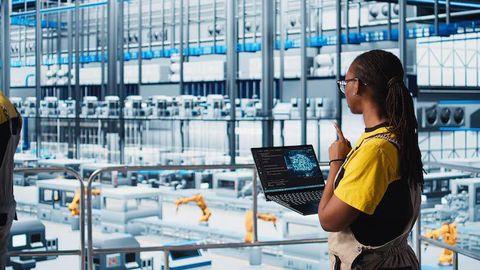
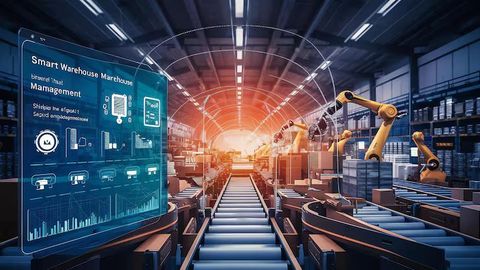
Smart factory systems refer to digitally connected manufacturing environments where machines, software, sensors, and operational processes communicate in real time. These systems combine technologies such as Industrial Internet of Things (IIoT), artificial intelligence (AI), robotics, cloud computing, and data analytics to improve production efficiency and operational visibility.
In recent years, smart factories have become increasingly important due to rising global competition, supply chain disruptions, labor shortages, and growing demand for customized production. Manufacturers are adopting connected systems to reduce downtime, improve quality control, and make production processes more flexible. According to industry research from organizations such as the World Economic Forum and Deloitte, digital manufacturing investment has accelerated as companies focus on operational resilience and energy efficiency.
The impact of smart factory systems extends beyond large enterprises. Mid-sized manufacturers are also implementing automation platforms, predictive maintenance tools, and digital monitoring systems to improve productivity. Trends such as AI-driven analytics, collaborative robots, and real-time production dashboards are reshaping modern manufacturing strategies across automotive, electronics, pharmaceuticals, logistics, and industrial equipment sectors.
Who Smart Factory Systems Affect and What Problems They Solve
Smart factory systems affect manufacturers, supply chain operators, maintenance teams, plant managers, engineers, technology providers, and industrial workers. Industries with high production complexity or strict quality standards are particularly influenced by these technologies. Automotive manufacturing, aerospace, food processing, healthcare equipment, and semiconductor production are among the sectors rapidly expanding digital factory investments.
For plant operators, smart systems improve visibility into machine performance and production flow. Maintenance teams benefit from predictive monitoring that identifies equipment risks before failures occur. Supply chain teams gain access to inventory tracking and real-time production forecasting, while executives receive operational insights through centralized dashboards and analytics platforms.
Common Problems Smart Factory Systems Help Solve
| Manufacturing Challenge | How Smart Factory Systems Help |
|---|---|
| Unplanned equipment downtime | Predictive maintenance and sensor monitoring |
| High operational costs | Automation and energy optimization |
| Production inefficiencies | Real-time process analytics |
| Limited production visibility | Centralized dashboards and reporting |
| Quality inconsistencies | AI inspection and automated quality control |
| Labor shortages | Robotics and automated workflows |
| Supply chain delays | Connected inventory and logistics systems |
| Excess energy consumption | Smart energy management tools |
Traditional manufacturing systems often rely on disconnected equipment and manual reporting methods. This can create delays in identifying production issues. Smart factory systems address these limitations through real-time data collection, automated alerts, and integrated software environments.
Recent Updates and Industry Trends
The smart factory sector has evolved rapidly during the past year due to advances in AI, industrial connectivity, and sustainability initiatives.
Increased AI Integration
Manufacturers are increasingly using AI-based analytics to optimize production schedules, detect defects, and forecast maintenance requirements. Generative AI tools are also being explored for industrial documentation, workflow planning, and operational support.
Expansion of Industrial IoT Networks
Industrial IoT adoption continues to grow as sensor costs decrease and wireless connectivity improves. Smart sensors now collect temperature, vibration, pressure, and machine performance data continuously, helping manufacturers improve operational monitoring.
Focus on Energy Efficiency
Energy management has become a major priority due to rising electricity costs and environmental regulations. Many factories are deploying smart energy monitoring systems to reduce waste and track sustainability goals.
Growth of Edge Computing
Edge computing allows manufacturing systems to process data closer to machines rather than relying entirely on cloud infrastructure. This reduces latency and supports faster decision-making in production environments.
Cybersecurity Investments
As factories become more connected, cybersecurity risks have increased. Industrial organizations are investing in network segmentation, endpoint protection, and secure industrial communication protocols to reduce operational risks.
Human-Machine Collaboration
Collaborative robots, often called cobots, are being used more frequently in assembly lines and warehouse operations. These systems are designed to work alongside human workers while improving efficiency and reducing repetitive tasks.
Smart Factory Systems Comparison Table
| Feature | Traditional Factory | Smart Factory System |
|---|---|---|
| Data Collection | Manual or delayed | Real-time automated collection |
| Machine Connectivity | Limited | Fully connected systems |
| Maintenance Approach | Reactive maintenance | Predictive maintenance |
| Production Monitoring | Periodic reporting | Live dashboards and analytics |
| Decision Making | Manual analysis | AI-assisted insights |
| Energy Management | Basic monitoring | Automated optimization |
| Quality Control | Human inspection | AI and sensor-based inspection |
| Supply Chain Visibility | Fragmented systems | Integrated tracking systems |
| Flexibility | Lower adaptability | High production flexibility |
| Workforce Support | Manual operations | Human-machine collaboration |
Key Smart Factory Technologies
| Technology | Primary Function | Typical Use Case |
|---|---|---|
| Industrial IoT | Machine connectivity | Equipment monitoring |
| Artificial Intelligence | Predictive analytics | Quality inspection |
| Robotics | Automated operations | Material handling |
| Cloud Platforms | Data storage and access | Production dashboards |
| Edge Computing | Local processing | Real-time analytics |
| Digital Twins | Virtual simulation | Process optimization |
| Machine Vision | Visual inspection | Defect detection |
| MES Software | Production management | Workflow coordination |
Laws, Regulations, and Government Programs
Smart factory systems are influenced by industrial regulations, cybersecurity standards, environmental policies, and government modernization initiatives.
India
The Government of India has promoted manufacturing modernization through initiatives such as “Make in India” and digital manufacturing programs encouraging Industry 4.0 adoption. Industrial automation and electronics manufacturing incentives have also supported technology investments.
Data protection and cybersecurity regulations are becoming increasingly important as factories adopt connected systems. Manufacturers handling operational data must ensure compliance with cybersecurity frameworks and industrial safety standards.
European Union
The European Union emphasizes industrial sustainability, energy efficiency, and cybersecurity compliance. Regulations such as the Cyber Resilience Act and industrial environmental standards affect digital manufacturing infrastructure and connected devices.
United States
The United States supports advanced manufacturing through programs led by organizations such as the National Institute of Standards and Technology (NIST). Cybersecurity frameworks for operational technology environments are also widely referenced by manufacturers.
Practical Guidance for Manufacturers
| Situation | Recommended Approach |
|---|---|
| Small manufacturing facility | Start with monitoring sensors and cloud dashboards |
| High equipment downtime | Implement predictive maintenance systems |
| Rising energy costs | Use smart energy management platforms |
| Complex production lines | Deploy MES and automation systems |
| Cybersecurity concerns | Apply industrial network segmentation |
| Labor shortages | Introduce collaborative robotics gradually |
Manufacturers typically adopt smart factory systems in phases rather than replacing all infrastructure simultaneously. Incremental deployment helps reduce operational disruption and allows teams to evaluate technology performance before scaling.
Tools and Resources for Smart Factory Systems
Several software platforms, industrial tools, and digital resources support smart factory implementation and management.
| Tool or Resource | Purpose |
|---|---|
| Manufacturing Execution Systems (MES) | Production monitoring and workflow management |
| SCADA Platforms | Industrial control and data acquisition |
| ERP Software | Resource planning and operations integration |
| Industrial IoT Platforms | Sensor connectivity and monitoring |
| Predictive Maintenance Tools | Equipment health analytics |
| Energy Monitoring Systems | Electricity and utility optimization |
| Digital Twin Software | Simulation and operational testing |
| Machine Vision Systems | Automated inspection and quality control |
| Cloud Analytics Platforms | Data reporting and operational insights |
| Industrial Cybersecurity Tools | Network protection and risk management |
Commonly Used Industrial Platforms
- Siemens industrial automation systems
- Rockwell Automation monitoring platforms
- Schneider Electric energy management tools
- ABB robotics systems
- Honeywell industrial control technologies
- Microsoft cloud manufacturing solutions
- SAP manufacturing analytics software
Helpful Learning Resources
| Resource Type | Benefit |
|---|---|
| Industry reports | Market trends and investment insights |
| Manufacturing webinars | Technology education |
| Automation certification programs | Workforce skill development |
| Government manufacturing portals | Policy guidance |
| Industrial trade associations | Standards and best practices |
Frequently Asked Questions
What is a smart factory system?
A smart factory system is a connected manufacturing environment that uses automation, sensors, software, and data analytics to improve production efficiency and operational visibility.
How do smart factory systems improve manufacturing?
They help reduce downtime, improve quality control, optimize energy usage, automate repetitive tasks, and provide real-time operational insights.
What industries use smart factory technologies?
Industries including automotive, electronics, pharmaceuticals, aerospace, food processing, and logistics commonly use smart factory technologies.
Are smart factory systems expensive to implement?
Implementation costs vary depending on factory size and technology scope. Many manufacturers begin with small automation or monitoring projects before expanding gradually.
What is the difference between Industry 4.0 and smart factories?
Industry 4.0 refers to the broader industrial transformation involving digital technologies, while a smart factory is the practical implementation of those technologies within manufacturing operations.
Conclusion
Smart factory systems are becoming a central component of modern manufacturing strategies as industries seek greater efficiency, flexibility, and operational visibility. Advances in AI, Industrial IoT, predictive maintenance, and cloud analytics are helping manufacturers improve productivity while addressing challenges such as labor shortages, equipment downtime, and energy consumption.
Current industry trends indicate continued investment in connected manufacturing technologies, especially in sectors focused on automation, sustainability, and digital transformation. However, successful implementation depends on balancing technology adoption with cybersecurity planning, workforce training, and phased deployment strategies.
For organizations evaluating modernization efforts, the most practical approach is often gradual integration of monitoring tools, analytics platforms, and automation systems based on operational priorities. Data-driven manufacturing environments are likely to remain a significant focus area as global industries continue adapting to changing production demands and supply chain conditions.