Plastic Bottle Crushers Guide: Explore Types, Components, Capacity, Applications, and Safety Factors
A plastic bottle crusher is a machine designed to reduce the size of discarded plastic bottles and similar containers. By compressing, cutting, or crushing plastic containers, the equipment can make collected material easier to handle, store, transport, and process. A plastic bottle crushers guide helps explain the different machine types, major components, capacity considerations, applications, and safety factors.
Plastic bottles are commonly manufactured from materials such as polyethylene terephthalate (PET), high-density polyethylene (HDPE), and polypropylene (PP), depending on the product and packaging design. After use, these containers can occupy considerable space because their hollow shape contains a large amount of air.
Bottle crushing developed as part of broader waste-handling and recycling processes. Early handling methods relied heavily on manual compression and sorting, while mechanical equipment later introduced powered crushing, shredding, and compaction. Modern systems may be standalone machines or part of larger plastic-waste processing lines.
What a Plastic Bottle Crusher Does
A plastic bottle crusher changes the physical form of bottles without necessarily converting the plastic into a new material. Depending on its design, the machine may flatten bottles, break them into smaller pieces, or prepare them for subsequent processing.
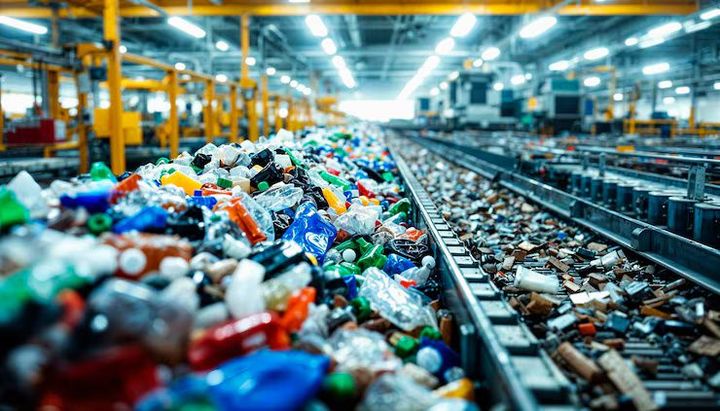
A crushing process commonly involves feeding bottles into a chamber where rotating blades, rollers, plates, or other mechanical elements apply force. The processed material then exits through an outlet or collection system.
Types of Plastic Bottle Crushers
Plastic bottle crushers can be grouped according to their crushing mechanism and intended application.
- Compression crushers use mechanical pressure to flatten or compact bottles.
- Blade crushers use rotating or fixed cutting elements to reduce bottles into smaller pieces.
- Roller crushers pass containers between rotating rollers that apply compressive forces.
- Shredder-crusher systems combine cutting and size reduction for plastic containers and other materials.
- Automatic bottle processing systems may integrate feeding, crushing, sorting, and collection equipment.
The appropriate design depends on the type of plastic, bottle dimensions, desired output form, processing volume, and whether the machine operates independently or within a recycling line.
Importance
Plastic bottles can occupy substantial storage space when collected in their original form. Their hollow structure means that a container-storage area may contain much more air than plastic. Crushing changes this physical arrangement and can make collected bottles easier to organize.
Plastic bottle crushers are relevant to recycling facilities, waste-processing operations, commercial premises, educational institutions, public waste-management programs, and manufacturing environments where plastic containers are collected.
Why Size Reduction Matters
Reducing bottle volume can simplify several stages of material handling. Smaller or flattened material can be easier to transfer between collection points and processing equipment.
Size reduction can also support subsequent recycling processes. However, crushing alone does not constitute complete recycling. Additional stages may include sorting by polymer type, removal of labels and caps, washing, drying, further size reduction, and conversion into recycled material.
Materials Commonly Processed
The exact materials a machine can process depend on its design. Common bottle plastics include:
- PET used in many beverage containers
- HDPE used in various household and industrial containers
- PP used in selected packaging applications
- Other compatible thermoplastic containers specified by the machine manufacturer
Different polymers have different physical properties. A machine designed around one material or bottle format may not be appropriate for every plastic container.
Factors Affecting Crushing Performance
Several factors influence how a plastic bottle crusher operates. Bottle size, wall thickness, moisture, contamination, plastic type, feed rate, blade condition, motor power, and machine configuration can all affect throughput and output size.
A bottle containing liquid or foreign material can also create operating problems. For this reason, material preparation and appropriate feed procedures are important parts of the process.
Recent Updates
From 2024 through 2026, plastic-waste management has increasingly focused on material recovery, traceability, extended producer responsibility, source segregation, and circular-economy practices. These developments affect the wider system in which plastic bottle crushers are used rather than changing the basic crushing principle.
India's Plastic Waste Management framework was amended in 2024, including changes to definitions and provisions within the Plastic Waste Management Rules, 2016. The Ministry of Environment, Forest and Climate Change lists the 2024 amendment as an official update to the framework.
The Central Pollution Control Board's plastic-waste portal also lists the Plastic Waste Management Amendment Rules, 2025 and provides resources covering plastic-waste characterization, training materials, reporting, and implementation of plastic-waste management requirements.
Another important development is the introduction of the Solid Waste Management Rules, 2026. The Ministry of Environment, Forest and Climate Change announced that these rules came into effect from April 1, 2026, replacing the 2016 Solid Waste Management Rules and incorporating stronger emphasis on source segregation, circular economy principles, extended producer responsibility, and digital monitoring.
Automation and Integrated Processing
Plastic processing equipment is increasingly being incorporated into integrated systems rather than operating as isolated machines. A processing line may combine feeding, crushing or shredding, sorting, conveying, washing, drying, and material collection.
Automation can also involve sensors, programmable controls, automatic feeding systems, and monitoring equipment. These technologies can help coordinate different stages of material handling, although the exact functions vary between systems.
Focus on Material Traceability
Waste-management systems are placing greater attention on documenting material movement and processing. Digital records and online reporting can help organizations track waste flows and compliance information.
The CPCB plastic-waste platform includes reporting and dashboard functions alongside resources for plastic-waste management.
Laws or Policies
In India, plastic-waste management is governed primarily through environmental rules established under the Environment (Protection) Act, 1986. The Plastic Waste Management Rules, 2016 have been amended several times, including amendments in 2024 and 2026.
The Plastic Waste Management (Amendment) Rules, 2024 introduced changes to the regulatory framework, including revised terminology relating to biodegradable plastics and importers.
The 2026 amendment further updated the Plastic Waste Management Rules. The amendment includes changes concerning plastic-waste processors and end-of-life disposal, along with additional terminology related to reuse and environmental auditing.
Solid-waste management requirements are also relevant where plastic bottles enter municipal or commercial waste streams. The Solid Waste Management Rules, 2026 establish requirements concerning source segregation and responsibilities within the waste-management system.
The specific regulatory requirements applicable to a plastic bottle crusher depend on where and how it is operated. A recycling facility, factory, municipal facility, educational institution, and commercial establishment may have different obligations. Environmental permissions, workplace requirements, waste-processor registration, and state-level rules may also apply depending on the activity.
Tools and Resources
Several resources can help readers understand plastic bottle crushers and the broader waste-processing process.
Capacity and Throughput Calculations
Machine capacity is commonly expressed as kilograms per hour or tonnes per hour. A simple theoretical calculation can be represented as:
Hourly throughput = Average material processed per cycle × Number of cycles per hour
Actual throughput can differ from theoretical capacity because of feeding efficiency, bottle size, material condition, machine interruptions, and other operating factors.
Bottle-Volume Estimation
For storage planning, users can compare the approximate volume of uncrushed bottles with the volume occupied after crushing. The actual reduction depends on bottle geometry, wall thickness, crushing mechanism, and how tightly the processed material is collected.
Material Identification Resources
Plastic identification codes and recycling references can help distinguish common polymers such as PET, HDPE, and PP. Correct identification is relevant because mixed plastics can require additional sorting before later processing.
Government Resources
The Central Pollution Control Board maintains an online plastic-waste management portal containing rules, reporting resources, training materials, dashboards, and information related to plastic-waste characterization.
The Ministry of Environment, Forest and Climate Change also maintains a rules and regulations section containing official notifications related to plastic waste and solid-waste management.
Basic Operating Records
A simple record can help monitor the operation of a plastic bottle crusher:
| Factor | Information to record |
|---|---|
| Material | PET, HDPE, PP, or other compatible plastic |
| Bottle size | Approximate container dimensions |
| Feed condition | Empty, dry, sorted, or contaminated |
| Machine type | Compression, blade, roller, or integrated system |
| Capacity | Rated throughput |
| Output | Flattened bottles or reduced-size pieces |
| Operating time | Processing duration |
| Maintenance | Blade, belt, bearing, and motor checks |
| Safety inspection | Guarding, emergency controls, and feed area |
These records can help identify changes in machine performance and provide basic operational information.
FAQs
What is a plastic bottle crusher?
A plastic bottle crusher is a machine that reduces the physical volume or size of plastic bottles through compression, cutting, rolling, or another mechanical process. It is commonly used as part of waste-handling and recycling operations.
How does a plastic bottle crusher work?
The bottles are introduced into a crushing chamber where mechanical components apply pressure or cutting forces. Depending on the design, the machine produces flattened containers or smaller plastic pieces that can be collected or transferred to another processing stage.
What is the capacity of a plastic bottle crusher?
Plastic bottle crusher capacity varies according to machine size, motor configuration, crushing mechanism, bottle dimensions, material type, and feeding method. Capacity is commonly expressed in kilograms per hour or tonnes per hour, but rated capacity should not be assumed to represent actual throughput in every operating condition.
What are the main components of a plastic bottle crusher?
Common components include a motor, drive mechanism, crushing or cutting chamber, blades or rollers, feed opening, discharge outlet, frame, guards, and control system. Larger systems may also include conveyors, collection equipment, sensors, and automatic feeding mechanisms.
What safety factors are important when using a plastic bottle crusher?
Important safety factors include guarding moving components, preventing access to the crushing chamber during operation, using appropriate emergency controls, following the specified feed procedure, inspecting cutting components, and using suitable personal protective equipment. Electrical isolation should be followed before maintenance or clearing a blockage.
Conclusion
A plastic bottle crusher reduces the physical size or volume of discarded plastic containers through mechanical compression, cutting, or related methods. Different designs vary in their components, capacity, output form, and suitable applications. Recent developments in India have placed greater emphasis on plastic-waste processing, source segregation, extended producer responsibility, traceability, and circular-economy practices. Safe operation depends on appropriate machine design, material preparation, guarding, operating procedures, and compliance with applicable environmental and workplace requirements.