Motion Detection Cameras Overview: Basics, Technology, and Key Details
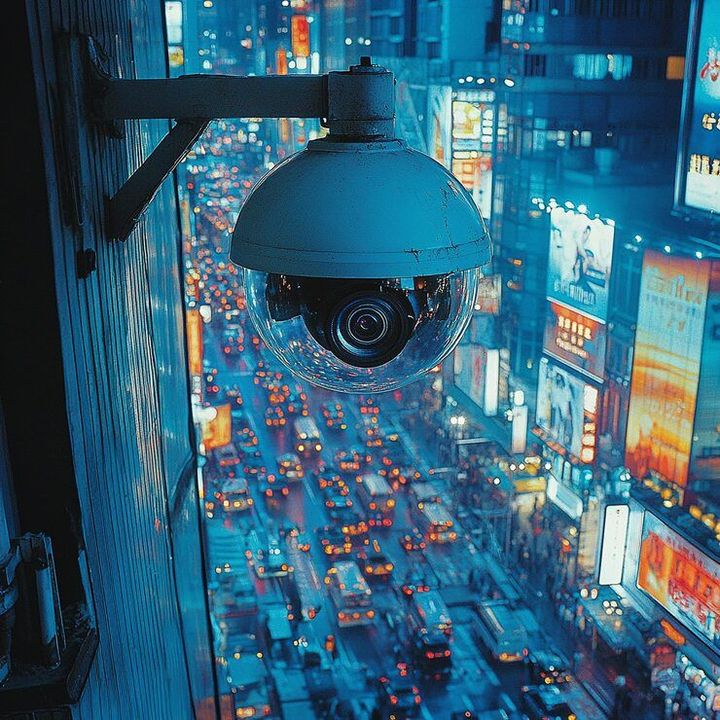
Motion detection cameras are surveillance devices designed to automatically detect movement within a defined area and trigger recording, alerts, or other responses. Unlike traditional continuous-recording cameras, these systems rely on sensors or software algorithms to identify changes in the environment, helping optimize storage usage and improve monitoring efficiency. They are widely used in homes, businesses, industrial sites, and public infrastructure.
In recent years, motion detection cameras have gained increased relevance due to growing concerns about security, automation, and smart infrastructure. With the rise of smart homes and IoT ecosystems, these cameras are now integrated with mobile apps, cloud platforms, and AI-based analytics. This evolution has shifted them from simple motion-triggered devices to intelligent systems capable of distinguishing between humans, animals, and objects.
Current trends include AI-enhanced detection, edge computing for faster processing, and privacy-focused features. These developments impact how individuals and organizations approach surveillance—balancing efficiency, accuracy, and compliance with data protection regulations. As security demands grow, understanding motion detection technologies becomes increasingly important for informed decision-making.
Who It Affects and What Problems It Solves
Motion detection cameras affect a wide range of users, including homeowners, small businesses, large enterprises, and public authorities. For homeowners, they provide an added layer of security by monitoring entry points and sending alerts when unexpected motion is detected. Businesses use them to safeguard assets, monitor employee activity, and ensure operational compliance. In industrial and logistics environments, these cameras help track movement in restricted areas and improve safety monitoring.
From a broader perspective, motion detection systems are also used in urban planning and smart city initiatives. They assist in traffic monitoring, crowd management, and public safety surveillance. Governments and institutions deploy them in critical infrastructure such as airports, railway stations, and public buildings.
Problems It Solves
- Unnecessary Data Storage: Traditional cameras record continuously, consuming large storage space. Motion detection cameras reduce storage needs by recording only when activity is detected.
- Delayed Response to Incidents: Real-time alerts enable quicker response to security threats or unusual activity.
- Manual Monitoring Challenges: Automated detection reduces the need for constant human supervision.
- False Alarms in Basic Systems: Advanced models use AI to filter out irrelevant motion like shadows or weather changes.
- Energy Inefficiency: Many modern systems optimize power usage by activating only when motion is detected.
Recent Updates and Trends
Over the past year, motion detection camera technology has evolved significantly, driven by advancements in artificial intelligence and edge computing.
- AI-Based Object Recognition: Modern cameras can differentiate between humans, vehicles, and animals, improving detection accuracy and reducing false alerts.
- Edge Processing: Instead of sending all data to the cloud, many devices now process motion locally, reducing latency and enhancing privacy.
- Integration with Smart Ecosystems: Cameras are increasingly compatible with smart home platforms, enabling automation such as turning on lights when motion is detected.
- Privacy Enhancements: Features like activity zones, data encryption, and user-controlled recording are becoming standard to address privacy concerns.
- Battery and Wireless Improvements: Newer models offer longer battery life and more reliable wireless connectivity, making installation easier.
Industry reports from security and IoT research firms indicate steady growth in adoption, particularly in residential and small business sectors, driven by affordability and ease of use.
Comparison Table: Types of Motion Detection Technologies
| Feature / Type | Passive Infrared (PIR) | Video-Based Detection | Microwave Sensors | Dual Technology Systems |
|---|---|---|---|---|
| Detection Method | Heat changes | Pixel/image changes | Radio wave reflection | Combination of PIR + Microwave |
| Accuracy | Moderate | High (with AI) | High | Very High |
| False Alarm Rate | Low (indoors) | Moderate (without AI) | Moderate | Very Low |
| Power Consumption | Low | High | Moderate | Moderate |
| Best Use Case | Indoor home security | Smart surveillance systems | Large outdoor areas | High-security environments |
| Cost Range | Low | Medium to High | Medium | High |
| Environmental Sensitivity | Affected by temperature | Affected by the lighting | Less affected by the environment | Balanced |
Laws and Policies
The use of motion detection cameras is influenced by privacy laws, surveillance regulations, and data protection policies. In India, for example, surveillance practices are guided by broader frameworks such as the Information Technology Act and emerging data protection regulations. While there is no single law exclusively governing motion detection cameras, their use must align with privacy rights and responsible data handling.
Key Considerations
- Consent and Transparency: Cameras should not be placed in areas where individuals expect privacy, such as restrooms or private spaces.
- Data Storage and Security: Recorded footage must be securely stored and protected from unauthorized access.
- Public vs Private Use: Businesses and institutions may need to display notices informing individuals about surveillance.
- Compliance with Data Protection Laws: As data privacy regulations evolve, users must ensure compliance with storage, sharing, and retention policies.
Practical Guidance
- Use motion detection cameras in clearly defined areas such as entry points, parking zones, or public-facing spaces.
- Avoid continuous surveillance in sensitive environments unless legally justified.
- Regularly update firmware and security settings to align with compliance requirements.
Tools and Resources
Several tools and platforms support the effective use and management of motion detection cameras. These resources help users configure, monitor, and analyze surveillance systems efficiently.
Common Tools
- Mobile Monitoring Apps: Allow real-time viewing, alerts, and control from smartphones.
- Cloud Storage Platforms: Enable remote storage and access to recorded footage.
- Video Management Software (VMS): Used in enterprise setups for centralized control of multiple cameras.
- AI Analytics Tools: Provide insights such as object classification, behavior analysis, and anomaly detection.
- Network Configuration Tools: Help optimize connectivity and ensure stable camera performance.
Helpful Resources
- Government guidelines on surveillance and privacy
- Manufacturer documentation and setup guides
- Online security forums and technical communities
- IoT and cybersecurity best practice frameworks
Frequently Asked Questions (FAQ)
What is a motion detection camera, and how does it work?
A motion detection camera uses sensors or software algorithms to detect movement and trigger recording or alerts. It identifies changes in heat, light, or object position depending on the technology used.
Are motion detection cameras reliable for home security?
They are generally reliable, especially when equipped with AI-based detection. Accuracy depends on proper placement, technology type, and environmental conditions.
Do motion detection cameras record all the time?
Most models record only when motion is detected, although some offer continuous recording as an optional feature.
What are the main types of motion detection technologies?
Common types include passive infrared (PIR), video-based detection, microwave sensors, and dual-technology systems that combine multiple methods.
How can false alarms be reduced?
False alarms can be minimized by using AI-enabled cameras, setting activity zones, adjusting sensitivity levels, and placing cameras away from moving objects like trees or reflective surfaces.
Conclusion
Motion detection cameras have evolved from basic movement-triggered devices into intelligent surveillance systems capable of advanced analysis and automation. Data from industry research highlights their growing adoption due to improved efficiency, reduced storage requirements, and enhanced real-time monitoring capabilities.
Each detection technology offers distinct advantages: PIR systems are energy-efficient and suitable for indoor use, video-based systems provide higher accuracy with AI integration, and dual-technology systems deliver superior reliability in complex environments. The choice depends on specific requirements such as location, budget, and desired level of accuracy.
From a regulatory perspective, responsible use aligned with privacy laws is essential. Users must balance security benefits with ethical considerations and data protection requirements.
Overall, motion detection cameras are a practical solution for modern surveillance needs. For most users, AI-enabled video-based or dual-technology systems provide the best balance between accuracy and functionality, especially in environments where minimizing false alerts is critical.