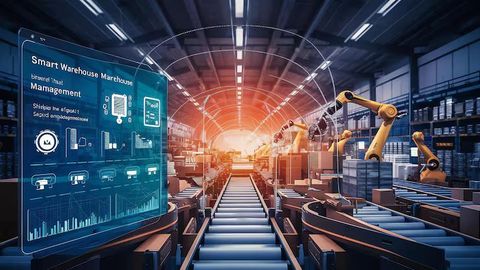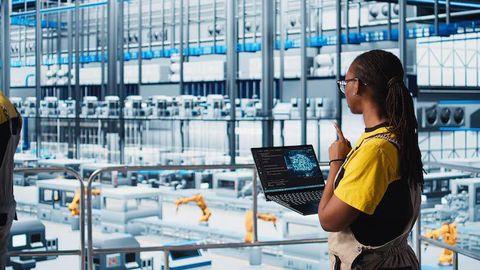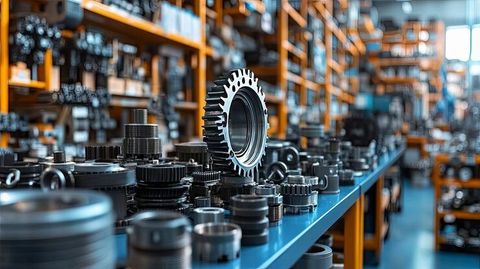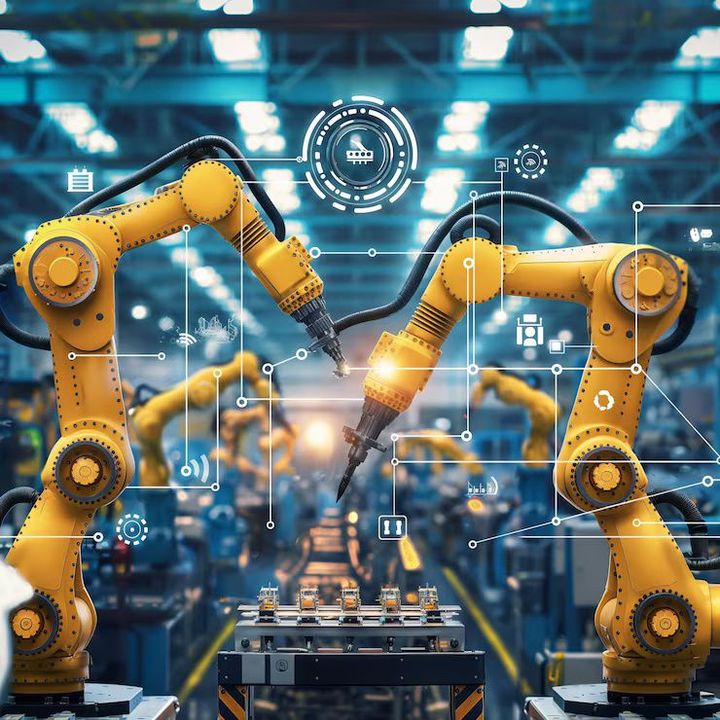
Manufacturing ERP (Enterprise Resource Planning) systems are integrated software platforms designed to help manufacturers manage production, inventory, procurement, finance, quality control, supply chain operations, and workforce activities from a centralized environment. Rather than relying on separate systems for different business functions, ERP platforms consolidate operational data into a single source of truth.

The importance of manufacturing ERP systems has increased significantly in recent years as manufacturers face growing pressure to improve efficiency, reduce costs, manage supply chain disruptions, and comply with evolving regulations. Digital transformation initiatives, Industry 4.0 technologies, automation, and data-driven decision-making have accelerated ERP adoption across manufacturing sectors ranging from automotive and electronics to food processing and industrial equipment.
Recent trends such as cloud computing, artificial intelligence (AI), predictive analytics, and Industrial Internet of Things (IIoT) integration are reshaping ERP capabilities. Organizations increasingly seek real-time visibility into production performance, inventory levels, and customer demand. As manufacturing environments become more complex and globally connected, ERP systems play a critical role in helping businesses improve operational resilience, productivity, and long-term competitiveness.
Who It Affects and What Problems It Solves
Manufacturing ERP systems affect a broad range of stakeholders across an organization. Production managers use ERP platforms to schedule manufacturing activities and monitor shop-floor performance. Procurement teams rely on ERP systems for supplier management and purchasing workflows. Finance departments use ERP software to track costs, budgets, and profitability. Warehouse personnel depend on ERP tools for inventory control, while executives use dashboards and analytics to support strategic decisions.
Small manufacturers often struggle with manual spreadsheets, disconnected software systems, and limited operational visibility. Mid-sized and large enterprises face additional challenges related to supply chain complexity, compliance requirements, global operations, and production scalability. ERP systems help address these issues by creating a unified operational framework.
Common Problems Manufacturing ERP Systems Solve
| Problem | ERP Solution |
|---|---|
| Inventory inaccuracies | Real-time inventory tracking |
| Production delays | Automated production scheduling |
| Data silos | Centralized information management |
| Supply chain disruptions | Demand forecasting and procurement planning |
| Compliance challenges | Audit trails and documentation management |
| Cost overruns | Financial monitoring and cost analysis |
| Quality issues | Quality control workflows |
| Manual reporting | Automated reporting and analytics |
| Limited visibility | Real-time dashboards |
| Resource inefficiencies | Capacity and workforce planning |
ERP platforms also improve collaboration between departments, reducing communication gaps that often lead to delays, errors, and unnecessary operational expenses.
Recent Updates and Industry Trends
The manufacturing ERP landscape has experienced substantial changes over the past year as organizations continue investing in digital transformation initiatives.
Cloud ERP Adoption Continues to Grow
Cloud-based ERP deployments remain one of the strongest industry trends. Manufacturers are increasingly choosing cloud platforms due to lower infrastructure requirements, faster implementation timelines, and improved scalability. Cloud systems also support remote access and easier software updates.
AI and Predictive Analytics Integration
ERP vendors have expanded AI-driven capabilities that help manufacturers forecast demand, optimize inventory levels, and identify production bottlenecks. Predictive maintenance features are becoming more common, helping reduce equipment downtime.
Increased Focus on Supply Chain Resilience
Recent global supply chain disruptions have encouraged manufacturers to invest in ERP systems with enhanced supplier visibility, procurement intelligence, and risk management features.
Industry 4.0 Connectivity
ERP systems increasingly integrate with smart manufacturing technologies, including:
- Industrial IoT sensors
- Automated production equipment
- Robotics systems
- Manufacturing Execution Systems (MES)
- Digital twins
Sustainability Reporting
Environmental reporting requirements and corporate sustainability goals have led ERP providers to introduce features that track:
- Energy consumption
- Carbon emissions
- Waste generation
- Resource utilization
Cybersecurity Enhancements
As manufacturers become more digitally connected, ERP vendors have strengthened security measures through multi-factor authentication, role-based access controls, encryption, and continuous monitoring capabilities.
Manufacturing ERP Systems Comparison Table
| Feature | Traditional ERP | Cloud ERP | Industry-Specific Manufacturing ERP |
|---|---|---|---|
| Deployment | On-premise | Cloud-based | Cloud or On-premise |
| Initial Cost | Higher | Lower | Moderate to High |
| Maintenance | Internal IT team | Vendor managed | Shared responsibility |
| Scalability | Limited | High | High |
| Remote Access | Restricted | Strong | Strong |
| Manufacturing Features | Generalized | Varies | Specialized |
| Implementation Time | Longer | Faster | Moderate |
| Software Updates | Manual | Automatic | Vendor-managed |
| Customization | Extensive | Moderate | Industry-focused |
| Data Accessibility | Local network | Anywhere with internet | Flexible |
Key Manufacturing ERP Modules
| Module | Primary Purpose |
|---|---|
| Production Planning | Schedule and manage manufacturing operations |
| Inventory Management | Track stock levels and movement |
| Procurement | Supplier and purchasing management |
| Finance & Accounting | Financial reporting and budgeting |
| Quality Management | Compliance and quality control |
| Warehouse Management | Storage and distribution optimization |
| CRM Integration | Customer relationship management |
| Analytics & Reporting | Business intelligence and insights |
ERP Capability Impact Overview
| Business Area | Typical Impact |
|---|---|
| Inventory Visibility | High |
| Production Efficiency | High |
| Financial Accuracy | High |
| Reporting Speed | Medium to High |
| Compliance Management | Medium to High |
| Supplier Collaboration | Medium |
| Customer Service | Medium |
| Strategic Planning | High |
Organizations typically prioritize inventory control, production scheduling, and operational visibility when evaluating ERP investments.
Laws, Regulations, and Government Policies
Manufacturing ERP systems do not operate independently from regulatory requirements. Instead, they often serve as tools that help organizations comply with applicable laws and standards.
Data Protection Regulations
Manufacturers operating internationally may need to comply with various privacy and data protection requirements. ERP systems frequently include security controls, access management, and audit logging capabilities to support compliance efforts.
Financial Reporting Requirements
ERP systems support accounting processes and financial reporting obligations by maintaining transaction records, approval workflows, and reporting documentation.
Quality and Industry Standards
Depending on the manufacturing sector, organizations may need to comply with standards such as:
- ISO 9001 Quality Management
- ISO 14001 Environmental Management
- Good Manufacturing Practices (GMP)
- Automotive quality frameworks
- Food safety regulations
ERP systems often provide documentation and traceability capabilities that support audits and inspections.
Government Digitalization Programs
Many countries continue promoting digital manufacturing initiatives through Industry 4.0 programs, smart manufacturing strategies, and technology modernization incentives. Manufacturers evaluating ERP investments may benefit from monitoring local government support programs related to digital transformation and workforce modernization.
Practical Guidance
Consider these situations:
| Situation | ERP Recommendation |
|---|---|
| Small manufacturer with manual processes | Start with cloud ERP |
| Multi-location manufacturer | Use a centralized ERP platform |
| Highly regulated industry | Prioritize compliance and traceability modules |
| Fast-growing business | Select a scalable ERP architecture |
| Global supply chain operations | Focus on procurement and logistics capabilities |
Tools and Resources
Several tools and resources can help organizations evaluate, implement, and optimize manufacturing ERP systems.
ERP Software Platforms
Common manufacturing ERP categories include:
- Cloud ERP platforms
- Industry-specific ERP systems
- Mid-market ERP solutions
- Enterprise-scale ERP suites
Manufacturing Planning Tools
Useful supporting tools include:
- Material Requirements Planning (MRP)
- Advanced Planning and Scheduling (APS)
- Production Scheduling Software
- Demand Forecasting Tools
Analytics and Reporting Resources
Organizations often combine ERP systems with:
- Business Intelligence dashboards
- Data visualization platforms
- KPI tracking tools
- Operational reporting systems
Process Improvement Frameworks
Manufacturers frequently use ERP systems alongside:
- Lean Manufacturing methodologies
- Six Sigma programs
- Continuous Improvement initiatives
- Industry 4.0 implementation frameworks
Templates and Documentation
Helpful resources include:
- ERP requirements checklists
- Vendor evaluation scorecards
- Implementation of project plans
- Change management templates
- Training documentation frameworks
Educational Resources
Useful learning sources include:
- Manufacturing industry associations
- ERP vendor documentation
- Industry research reports
- Digital transformation workshops
- Supply chain management courses
Frequently Asked Questions
What is a manufacturing ERP system?
A manufacturing ERP system is software that integrates production, inventory, procurement, finance, quality management, and other operational functions into a centralized platform.
How is ERP different from MRP?
MRP primarily focuses on materials planning and production scheduling, while ERP includes broader business functions such as finance, procurement, human resources, reporting, and customer management.
Are cloud ERP systems suitable for manufacturers?
Yes. Many manufacturers use cloud ERP systems because they offer scalability, remote accessibility, lower infrastructure requirements, and regular software updates.
How long does ERP implementation typically take?
Implementation timelines vary depending on organizational size, complexity, customization requirements, and data migration needs. Projects can range from several months to more than a year.
What is the biggest benefit of manufacturing ERP?
The most significant benefit is often improved operational visibility. Real-time access to production, inventory, and financial data helps organizations make faster and more informed decisions.
Conclusion
Manufacturing ERP systems have become a foundational component of modern manufacturing operations. As supply chains grow more complex and manufacturers pursue greater efficiency, ERP platforms provide the centralized visibility needed to coordinate production, inventory, procurement, quality control, and financial management.
Recent developments in cloud computing, AI-powered analytics, Industry 4.0 connectivity, and sustainability reporting continue expanding ERP capabilities. Organizations that successfully implement ERP systems often achieve improved data accuracy, stronger operational control, enhanced compliance support, and better decision-making across departments.
For most manufacturers, the optimal approach depends on business size, industry requirements, growth objectives, and regulatory obligations. Cloud-based and industry-specific manufacturing ERP solutions are increasingly attractive because they offer scalability, flexibility, and specialized functionality. When selected and implemented strategically, manufacturing ERP systems can serve as a long-term foundation for operational efficiency and digital transformation.