Lifting Equipment Explained: Types, Capacity, Components, Applications, Safety Features, Benefits and Selection Considerations
Lifting equipment refers to machines, devices, and accessories designed to raise, lower, position, or move loads from one location to another. A lifting equipment guide helps explain the different equipment types, lifting capacity, major components, applications, safety features, and factors involved in selecting suitable equipment.
Lifting has been part of construction and manufacturing for centuries. Early methods relied on ropes, pulleys, levers, ramps, and other mechanical principles. Modern equipment combines these principles with electric motors, hydraulic systems, mechanical drives, electronic controls, and structural components to handle loads more efficiently and with greater control.
Today, lifting equipment is used in factories, warehouses, construction sites, ports, workshops, power facilities, mining operations, and infrastructure projects. Equipment ranges from relatively simple hand-operated devices to large cranes and automated material-handling systems.
What Lifting Equipment Does
The primary function of lifting equipment is to apply controlled force to a load. Depending on its design, equipment may lift vertically, move a load horizontally, rotate it, or position it at a particular height.
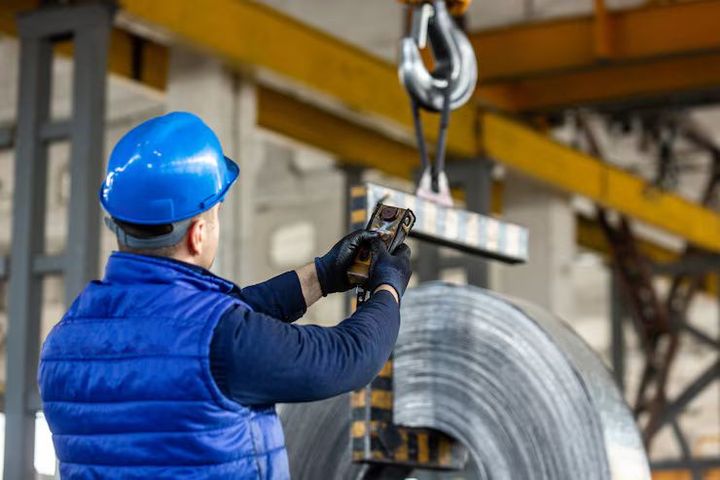
Common examples include cranes, hoists, lifting tables, winches, jacks, chain blocks, wire-rope systems, forklifts, and lifting accessories such as slings, shackles, hooks, and spreader beams.
Understanding Lifting Capacity
Lifting capacity refers to the maximum load an item of equipment is designed and rated to handle under specified operating conditions. It is not simply the physical weight that a machine can move under any circumstance.
Capacity can be affected by boom length, load radius, lifting height, configuration, attachment type, ground conditions, load distribution, and other factors. Operators therefore need to refer to the equipment's rated capacity information and operating instructions rather than relying on visual judgment.
| Equipment type | Typical movement | Common application |
|---|---|---|
| Overhead crane | Vertical and horizontal | Factory material handling |
| Mobile crane | Vertical and horizontal | Construction and infrastructure |
| Hoist | Mainly vertical | Workshops and industrial lifting |
| Chain block | Manual vertical lifting | Maintenance and assembly |
| Winch | Pulling and lifting | Construction and recovery work |
| Lifting table | Vertical movement | Work-position adjustment |
| Forklift | Vertical and horizontal | Pallet and material movement |
Importance
Lifting equipment plays an important role wherever heavy, bulky, elevated, or difficult-to-handle materials need controlled movement. Manual handling can become difficult when a load is heavy, awkwardly shaped, or positioned at height, making mechanical lifting an important part of many industrial activities.
The equipment also affects workplace organization. Appropriate lifting systems can help position components for assembly, transfer materials between production areas, load and unload goods, and place structural elements during construction.
Who Uses Lifting Equipment
Different industries use different forms of lifting equipment. Construction teams may use mobile or tower cranes, while factories may use overhead cranes and hoists. Warehouses commonly use forklifts and lifting tables, and maintenance teams may use portable hoists, jacks, or chain blocks.
Ports, shipyards, energy facilities, mining operations, and transportation facilities can require specialized lifting systems designed around particular load dimensions and operating environments.
Problems Addressed by Lifting Systems
A suitable lifting system can address several material-handling challenges. It can help move loads vertically, position components precisely, reduce dependence on manual lifting, and provide controlled movement where direct handling would be difficult.
However, lifting equipment introduces its own hazards. Falling loads, equipment overload, unstable loads, damaged lifting accessories, electrical hazards, and unexpected movement can create serious risks. Safe operation therefore depends on equipment condition, correct capacity assessment, operator competence, inspection, and appropriate procedures.
Recent Updates
From 2024 through 2026, lifting equipment technology has continued to develop around automation, monitoring, electronic controls, and machinery safety. Modern cranes and lifting systems increasingly incorporate sensors, overload monitoring, remote controls, digital condition monitoring, and automated movement functions.
BIS's current work program for cranes, lifting chains, and related equipment covers areas including cranes, hoists, winches, lifting chains, sheaves, hooks, shackles, mobile cranes, tower cranes, jib cranes, bridge cranes, and gantry cranes.
A notable standards development is the 2025 revision of IS 5604 concerning universal gearless hand-operated pulling and lifting machines. The revised standard incorporates changes based on experience with the equipment and updates references and technical presentation.
Digital Monitoring
Electronic monitoring can provide information about machine condition, operating cycles, load conditions, and other parameters. Such systems can support inspection and maintenance planning, although their capabilities depend on the equipment design.
Crane monitoring technology can also relate to the design working period of equipment. BIS's standards program includes IS/ISO 12482:2014 concerning monitoring for a crane's design working period.
Machinery Safety Requirements
India has also been developing its regulatory framework for machinery and electrical equipment. BIS currently identifies cranes and their assemblies, subassemblies, and components within the machinery categories covered under the Machinery and Electrical Equipment Safety framework, subject to the applicable orders and standards.
This makes it important to distinguish between general lifting equipment principles and the specific conformity requirements that may apply to a particular machine or product.
Laws or Policies
In India, lifting equipment is influenced by workplace safety legislation, technical standards, and machinery-related regulatory requirements. The Occupational Safety, Health and Working Conditions Code, 2020 is part of the country's labour-code framework maintained by the Ministry of Labour and Employment.
Specific requirements can vary according to the workplace, equipment type, industry, and applicable rules. Employers and operators may need to consider requirements covering safe working conditions, equipment inspection, training, maintenance, and operating procedures.
BIS Standards
The Bureau of Indian Standards develops Indian Standards covering many types of lifting equipment and components. Its current standards resources can be searched by Indian Standard number or keyword through the Know Your Standard portal. The portal also provides access to amendments, related notifications, testing information, and other standard-related material.
BIS certification is generally voluntary, but the Central Government can make compliance mandatory for specified products through applicable Quality Control Orders and other legal measures.
For machinery covered by Scheme-X requirements, BIS currently lists all types of cranes and their assemblies, subassemblies, and components among the specified machinery categories. Applicable standards and regulatory orders should be checked for the particular product.
Workplace Safety
Safety procedures should address the complete lifting system rather than only the main machine. Hooks, ropes, chains, slings, shackles, lifting beams, attachment points, controls, and supporting structures can all affect the safety of a lifting operation.
Loads should remain within the equipment's rated limits, and damaged or unsuitable components should not be used. The manufacturer's operating instructions and applicable workplace requirements provide the appropriate technical basis for specific equipment.
Tools and Resources
Several tools and resources can help with understanding, operating, and assessing lifting equipment.
Load Capacity Information
Load charts, rated capacity plates, manufacturer manuals, and equipment documentation provide information about allowable loads under defined conditions. Crane load charts can include variables such as boom configuration, operating radius, counterweight arrangement, and lifting position.
Inspection Checklists
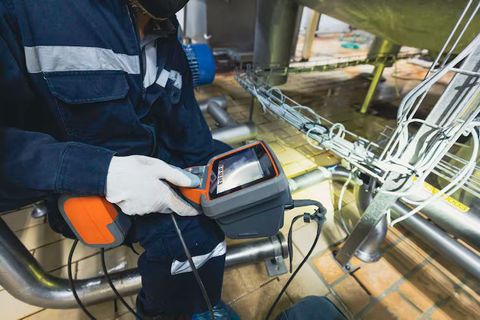
A lifting-equipment inspection checklist can organize routine observations. Depending on the equipment, it may include checks for:
- Hooks and safety latches
- Wire ropes and chains
- Slings and shackles
- Brakes and controls
- Hydraulic components
- Structural members
- Guarding
- Warning indicators
- Electrical connections
- Unusual noise or vibration
The inspection frequency and exact procedure should follow the manufacturer's instructions and applicable workplace requirements.
BIS Standards Portal
The BIS Know Your Standard portal provides a searchable reference for Indian Standards. Users can enter a standard number or product-related keyword to locate relevant standards and associated information.
Capacity and Load Calculations
Load calculations can help determine whether equipment is appropriate for a particular lifting operation. Relevant variables may include the total load, center of gravity, lifting points, sling angles, working radius, lifting height, and equipment configuration.
A calculation should not replace the rated capacity information or technical documentation supplied for the equipment.
FAQs
What is lifting equipment?
Lifting equipment includes machines and devices used to raise, lower, position, or move loads. Examples include cranes, hoists, winches, forklifts, lifting tables, chain blocks, and various lifting accessories.
What is lifting equipment capacity?
Lifting equipment capacity is the rated load that equipment can safely handle under specified conditions. The allowable capacity can change according to equipment configuration, load position, operating radius, attachment arrangement, and other factors.
What are the main components of lifting equipment?
Common components include a structural frame, lifting mechanism, motor or manual drive, wire rope or chain, hook, brake, controls, supporting structure, and safety devices. The exact components depend on the equipment type.
What safety features are used in lifting equipment?
Common safety features include overload protection, emergency stops, brakes, limit switches, load indicators, hook latches, guarding, warning systems, and interlocks. Not every lifting machine contains all of these features.
How should lifting equipment be selected?
Selection depends on the load weight, dimensions, lifting height, movement required, operating environment, frequency of use, available space, equipment configuration, and applicable safety requirements. Rated capacity and manufacturer specifications should be checked before an equipment selection is made.
Conclusion
Lifting equipment includes a wide range of machines and accessories used to raise, lower, position, and move loads in industrial, construction, warehouse, and maintenance environments. Understanding capacity, components, applications, and safety features is important because lifting operations involve both mechanical forces and workplace hazards. Recent developments have introduced greater use of electronic monitoring, automation, and updated machinery standards. In India, applicable labour requirements, BIS standards, and machinery regulations provide important references for safe and appropriate use of lifting equipment.