Laser Cutting Machines Guide: Explore Types, Components, Applications, Benefits, and Safety Factors
Laser cutting machines are manufacturing systems that use a concentrated beam of light to cut, shape, or process materials with controlled precision. A laser cutting machine can be used with materials such as metals, plastics, wood, textiles, composites, and other suitable materials, depending on the laser source, machine configuration, and material properties.
Laser cutting developed from advances in laser technology and industrial automation. Early laser systems were primarily used for specialized industrial and research applications, while improvements in beam control, computer numerical control (CNC), optics, and machine design gradually expanded their use in manufacturing.
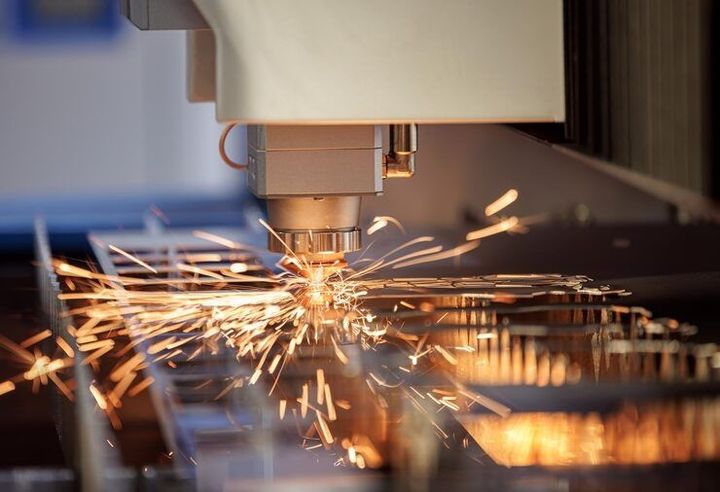
Today, laser cutting is commonly associated with CNC-controlled equipment. A digital drawing or programmed cutting path guides the machine, while the laser system produces concentrated thermal energy at the workpiece. Depending on the process, the material may melt, vaporize, or be removed by a combination of heat and assist gas.
How Laser Cutting Works
A typical laser cutting process involves several coordinated systems. The laser source generates the beam, optical components guide and focus it, the cutting head directs the beam toward the material, and a CNC controller manages movement along the programmed path.
Assist gases can also play an important role. Oxygen, nitrogen, or compressed air may be used depending on the material and cutting objective. The gas can help remove molten material from the cut zone and influence the resulting edge condition.
Main Types of Laser Cutting Machines
Laser cutting machines are commonly categorized according to their laser source and application.
- Fiber laser machines commonly process sheet and plate metals and are widely associated with metal fabrication.
- CO₂ laser machines can process various non-metal materials and some metals depending on the machine configuration.
- Nd and related solid-state laser systems have been used for specialized cutting and processing applications.
- Diode laser systems use semiconductor-based laser technology and can be configured for particular industrial processing tasks.
Machines can also differ by movement system. Flatbed systems process material on a stationary cutting table, while tube and profile systems are designed to process cylindrical or structural sections. Some production systems combine cutting with automated loading, unloading, or material handling.
Importance
Laser cutting is important because manufacturing often requires accurate shapes, repeatable dimensions, and efficient processing of complex designs. Compared with some conventional cutting methods, laser technology can provide a narrow cutting zone and computer-controlled movement.
The technology affects industries ranging from metal fabrication and automotive manufacturing to electronics, aerospace, construction, furniture, signage, and product development. Its use is particularly relevant where digital designs need to be translated into physical components.
Manufacturing Applications
Laser cutting machines can perform a wide range of applications, including:
- Sheet-metal cutting
- Plate processing
- Tube and profile cutting
- Component production
- Enclosure manufacturing
- Automotive part fabrication
- Electrical cabinet production
- Decorative pattern cutting
- Prototype development
- Architectural and structural components
The appropriate machine depends on the material type, thickness, dimensions, required tolerances, production volume, and design complexity.
Benefits of Laser Cutting
Laser cutting provides several characteristics that can be useful in manufacturing environments. Computer-controlled movement allows a programmed design to be reproduced across multiple components, while the focused beam can create relatively narrow cuts.
Other potential benefits include reduced mechanical contact with the workpiece, the ability to process intricate patterns, and compatibility with digital design and CNC workflows. However, the actual result depends on machine configuration, material properties, process parameters, maintenance, and operator practices.
Factors Affecting Cutting Quality
Cutting performance depends on several technical factors. Laser power, beam quality, focal position, cutting speed, assist-gas pressure, nozzle condition, material thickness, and material composition can all affect the final result.
Poorly selected settings may produce excessive heat, rough edges, incomplete cuts, discoloration, or unwanted deformation. Regular inspection of optics, nozzles, filters, cooling systems, and other machine components is therefore part of responsible equipment operation.
Recent Updates
From 2024 through 2026, laser cutting technology has continued to develop around higher automation, process monitoring, artificial intelligence-assisted controls, and integration with broader digital manufacturing systems.
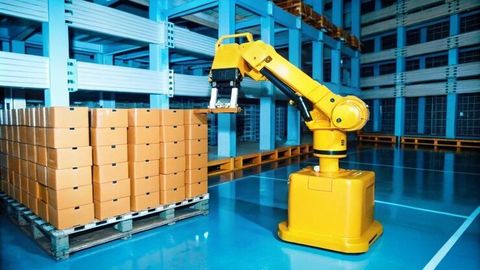
One important trend is the increased use of automated material handling. Laser cutting cells can be connected with storage systems, loading equipment, unloading mechanisms, and production software. These arrangements can reduce manual material movement and help coordinate multiple manufacturing stages.
Automation and Smart Controls
Modern CNC laser systems increasingly incorporate automated parameter management and process monitoring. Sensors can observe conditions such as cutting behavior, reflected light, machine status, or gas-related parameters, depending on the equipment.
Digital manufacturing platforms can also connect cutting machines with design files, production schedules, quality information, and machine data. This supports greater visibility across manufacturing operations.
Higher-Power Fiber Lasers
Fiber laser technology has continued to expand into higher-power industrial cutting applications. Higher laser power can increase the range of material thicknesses that a particular machine can process, although power alone does not determine cutting performance.
Material composition, beam quality, optical configuration, assist gas, cutting head design, and process settings remain important. Higher power can also increase the importance of appropriate thermal management and safety controls.
Automation and AI
Artificial intelligence and machine-learning techniques are increasingly being investigated for manufacturing process monitoring and optimization. In laser cutting, these approaches may be used to identify cutting conditions, detect irregularities, or support automated parameter adjustments.
These capabilities vary substantially between equipment and software systems. They should therefore be understood as developing technologies rather than universal features of every laser cutting machine.
Laws or Policies
Laser cutting machines involve optical radiation, electrical systems, moving machinery, heat, fumes, and potentially combustible materials. Workplace requirements therefore focus on controlling exposure to these hazards.
In India, workplace safety is addressed through applicable occupational safety legislation and rules. The Occupational Safety, Health and Working Conditions Code, 2020 establishes a framework covering occupational safety and health, working conditions, welfare requirements, and related workplace matters. The Ministry of Labour and Employment provides official information concerning the Code and associated rules. (labour.gov.in)
Laser equipment is also covered by international safety standards. IEC 60825-1 establishes requirements for the safety of laser products, including laser classification and related safety considerations. The specific requirements applicable to a machine depend on its design, laser class, enclosure, and intended environment.
Laser Safety
A properly enclosed industrial laser cutting machine can reduce direct exposure to the laser beam. However, opening protective enclosures, bypassing interlocks, or operating damaged equipment can create significant hazards.
Important safety measures can include:
- Maintaining machine enclosures and protective barriers
- Keeping safety interlocks functional
- Following the manufacturer's operating procedures
- Controlling access to the laser-processing area
- Using suitable eye and face protection where required
- Providing appropriate ventilation and fume extraction
- Managing combustible materials around the cutting area
- Following electrical and machine-guarding requirements
- Training personnel before machine operation
The exact protective measures depend on the laser system, material, workplace layout, and applicable regulations. General information should not replace the machine manufacturer's safety instructions or site-specific risk assessment.
Tools and Resources
Several technical resources can help readers understand laser cutting machines and their operating requirements.
CAD and CAM Software
Computer-aided design (CAD) software is used to create or modify digital component drawings. Computer-aided manufacturing (CAM) software can then convert design information into machine instructions and cutting paths.
Common functions include nesting, tool-path generation, geometry editing, and production preparation. Software capabilities vary by platform and machine controller.
Laser Power and Cutting References
Technical cutting charts can provide general information about material thickness, laser power, cutting speed, nozzle selection, and assist-gas requirements. These values are machine- and material-dependent, so reference charts should be treated as starting information rather than universal specifications.
Safety Standards and Regulations
The International Electrotechnical Commission provides information about IEC 60825 standards covering laser-product safety. The International Organization for Standardization also publishes standards relating to laser processing equipment and manufacturing safety.
For Indian workplaces, government labor resources can provide information about occupational safety requirements. The Bureau of Indian Standards can also be consulted for applicable Indian Standards and conformity information.
Maintenance Records
A simple maintenance record can track important machine conditions.
| Machine area | Information to monitor |
|---|---|
| Laser source | Operating condition and alerts |
| Cutting head | Nozzle and lens condition |
| Optics | Cleanliness and alignment |
| Cooling system | Temperature and system status |
| Assist gas | Pressure and supply condition |
| Exhaust system | Filter and extraction condition |
| CNC system | Error messages and machine status |
| Safety system | Guards, interlocks, and emergency controls |
Keeping such information organized can help identify recurring machine issues and support routine equipment checks.
FAQs
What is a laser cutting machine?
A laser cutting machine is a CNC-controlled system that uses a concentrated laser beam to cut or process materials. The beam is focused on the workpiece while the machine follows a programmed cutting path.
What are the main types of laser cutting machines?
The main laser categories include fiber, CO₂, and solid-state laser systems. Machines can also be classified by their application, such as flat-sheet cutting, tube cutting, or automated production cells.
What materials can laser cutting machines process?
Depending on the laser type and machine configuration, laser cutting machines can process metals, plastics, wood, textiles, composites, and other materials. Material compatibility must be confirmed for the specific machine and process.
What are the main components of a laser cutting machine?
Common components include the laser source, beam-delivery system, focusing optics, cutting head, CNC controller, motion system, worktable, assist-gas system, cooling equipment, exhaust system, and safety enclosure.
Are laser cutting machines safe to operate?
Laser cutting machines can present hazards involving laser radiation, heat, fumes, electricity, moving components, and fire. Proper enclosure systems, functioning safety interlocks, ventilation, training, maintenance, and applicable protective equipment are important parts of safe operation.
Conclusion
Laser cutting machines use focused laser energy and computer-controlled movement to process materials according to programmed designs. Fiber, CO₂, and solid-state systems serve different material and application requirements, while machine components such as the laser source, optics, cutting head, CNC system, and assist-gas system work together during processing. Recent developments have focused on automation, higher-power fiber lasers, process monitoring, and digital manufacturing integration. Safe operation requires appropriate machine controls, ventilation, maintenance, training, and compliance with applicable workplace and laser-safety requirements.