Industrial Fasteners: A Complete Guide to Types, Materials, and Applications
Industrial fasteners are small components that play a major role in the products and structures people use every day. From bridges and vehicles to household appliances and furniture, fasteners help hold parts together securely. While they may seem simple, these components are essential for maintaining safety, stability, and functionality across many industries.
For anyone unfamiliar with manufacturing or engineering, industrial fasteners can appear to be just screws and bolts. However, the category includes many different types, each designed for specific materials, environments, and applications. Understanding how they work can help people appreciate their importance in modern construction and production.

What Are Industrial Fasteners?
Industrial fasteners are hardware components used to join two or more objects together. Unlike welding or adhesives, many fasteners create connections that can be removed, adjusted, or replaced when needed.
Fasteners are commonly made from materials such as steel, stainless steel, aluminum, brass, and other alloys. The choice of material depends on factors such as strength requirements, environmental conditions, and the intended lifespan of the assembled product.
Their primary purpose is to create reliable connections that can withstand forces such as vibration, pressure, tension, and movement.
Why Industrial Fasteners Matter
Modern infrastructure and manufacturing rely heavily on secure connections. Without dependable fastening systems, buildings, machinery, transportation equipment, and consumer products would be less stable and more difficult to maintain.
Fasteners help manufacturers assemble products efficiently while allowing repairs and component replacement when necessary. They also contribute to safety by keeping critical parts securely connected during operation.
Whether in a large industrial facility or a simple household product, fasteners help ensure that structures and equipment function as intended.
Common Types of Industrial Fasteners
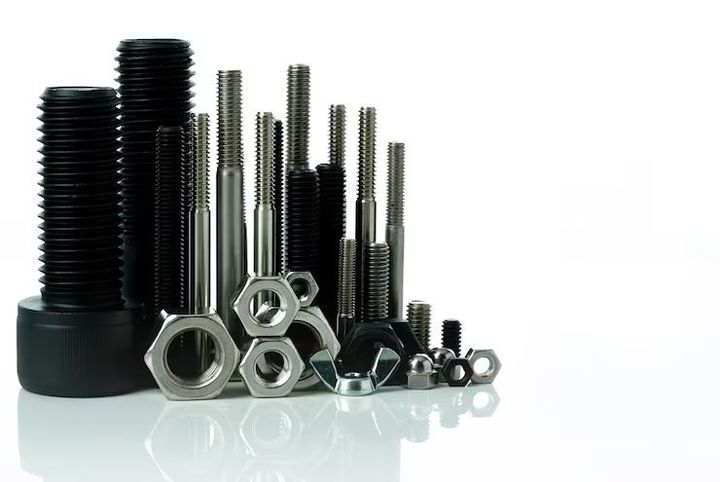
There are many fastener varieties designed for different purposes. Some of the most widely used types include:
Bolts
Bolts are threaded fasteners typically used with nuts to create strong mechanical connections. They are commonly found in construction projects, machinery, vehicles, and structural assemblies.
Bolts are available in different lengths, diameters, and thread patterns to suit various requirements.
Screws
Screws are threaded fasteners designed to be inserted directly into materials or prepared holes. They are frequently used in woodworking, metalworking, electronics, and furniture assembly.
Different screw designs are developed for specific materials and applications.
Nuts
Nuts work together with bolts to secure assemblies. They are available in various shapes and designs, including hex nuts, lock nuts, and wing nuts.
The selection depends on factors such as vibration resistance and accessibility.
Washers
Washers are thin plates placed between a fastener and a surface. They help distribute load, reduce wear, and protect materials from damage.
Washers can also help prevent loosening caused by vibration.
Rivets
Rivets create permanent joints by deforming one end after installation. They are commonly used in aircraft structures, metal fabrication, and transportation equipment.
Because rivets form permanent connections, they are often chosen when long-term durability is important.
Anchors
Anchors are designed for attaching components to materials such as concrete, brick, or stone. They provide secure attachment points in construction and infrastructure projects.
Materials Used in Fastener Manufacturing
The performance of a fastener is influenced by the material from which it is made.
Carbon Steel
Carbon steel fasteners are widely used due to their strength and durability. Protective coatings are often applied to reduce corrosion.
Stainless Steel
Stainless steel provides strong resistance to rust and moisture. It is commonly used in outdoor environments and areas exposed to water or chemicals.
Aluminum
Aluminum fasteners are lightweight and resistant to corrosion. They are frequently used where weight reduction is important.
Brass
Brass fasteners provide good corrosion resistance and an attractive appearance. They are often used in decorative and electrical applications.
Specialty Alloys
Certain industries require advanced materials that can withstand extreme temperatures, pressure, or corrosive conditions.
How Fasteners Support Different Industries
Industrial fasteners are used across a wide range of sectors.
Construction
Buildings, bridges, and infrastructure projects depend on fasteners to connect structural components safely. Proper fastening contributes to long-term stability and reliability.
Automotive Manufacturing
Vehicles contain thousands of fasteners that secure engines, body panels, interior components, and safety systems.
Aerospace
Aircraft require lightweight yet strong fastening systems capable of handling significant stress during operation.
Energy Production
Power generation facilities use fasteners in turbines, support structures, pipelines, and electrical equipment.
Consumer Products
Many everyday items, including furniture, appliances, electronics, and sporting equipment, rely on fasteners for assembly.
Factors Considered When Selecting Fasteners
Choosing an appropriate fastener involves evaluating several important factors.
Strength Requirements
Different applications require different levels of strength. Structural projects often demand higher load-bearing capacity than light-duty assemblies.
Environmental Conditions
Exposure to moisture, chemicals, temperature changes, or outdoor conditions can affect fastener performance.
Material Compatibility
The fastener material should be compatible with the materials being joined. Incompatible combinations can contribute to corrosion or reduced durability.
Vibration Resistance
Equipment that experiences movement or vibration may require specialized fastening solutions to reduce loosening over time.
Maintenance Requirements
Some applications benefit from removable fasteners that allow inspection, adjustment, or replacement when needed.
The Importance of Proper Installation
Even high-quality fasteners may not perform effectively if installed incorrectly. Proper installation helps ensure safety, reliability, and long-term performance.
Important installation considerations include:
- Using the correct fastener size
- Applying appropriate tightening force
- Following manufacturer specifications
- Inspecting components before installation
- Replacing damaged fasteners when necessary
Routine inspection can help identify wear, corrosion, or loosening before they become larger concerns.
Sustainability and Modern Manufacturing
Sustainability has become an important consideration in manufacturing. Fastener producers are increasingly exploring ways to reduce material waste, improve production efficiency, and support recycling initiatives.
Many metal fasteners can be recycled at the end of their useful life, helping reduce the demand for raw materials. Advances in manufacturing technology also contribute to improved material utilization and lower environmental impact.
Additionally, improved fastening designs can support longer product lifespans by making maintenance and component replacement more practical.
Future Trends in Industrial Fasteners
Technological developments continue to influence the fastener industry. Engineers and manufacturers are exploring new materials, coatings, and production techniques that improve performance and durability.
Digital manufacturing processes are helping improve consistency and precision. Advanced coatings provide enhanced protection against corrosion and wear. Lightweight materials are also gaining attention in industries where efficiency and performance are important.
As manufacturing continues to evolve, fasteners will remain essential components that support innovation across countless applications.
Conclusion
Industrial fasteners may be small in size, but their impact is significant. They help connect the structures, machines, and products that people depend on every day. From construction and transportation to electronics and energy production, fasteners provide the strength and stability needed for reliable operation.
Understanding the different types, materials, and applications of industrial fasteners highlights their importance in modern manufacturing. As technology advances and industries continue to evolve, these essential components will remain a fundamental part of building and maintaining the world around us.